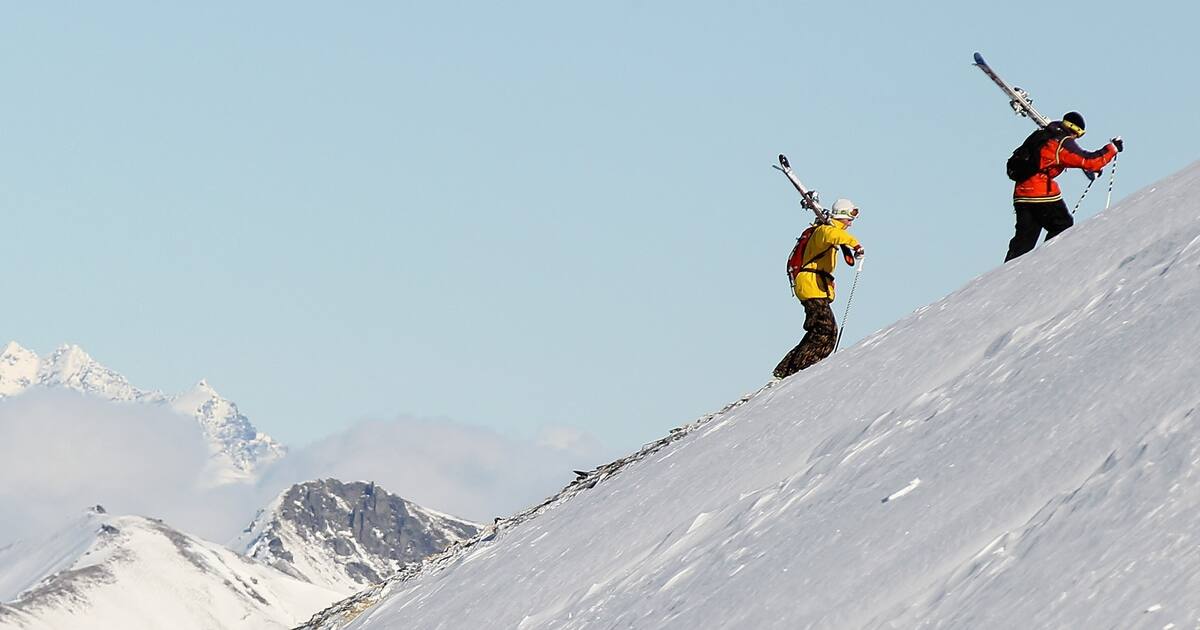
A double rescue near Treble Cone has turned into a timely snow-safety warning for Wānaka visitors, skiers and snowboarders heading into the mountains. 1News reported that two snowboarders were rescued after getting lost and needing help to make it back to the ski fields, with recent weather conditions making Otago mountain navigation difficult.
The travel lesson is direct. Winter tourism depends on people enjoying alpine places safely, but a ski-field day can change quickly when visibility drops, fresh snow covers tracks or people drift beyond familiar terrain. Visitors often arrive focused on snow quality and lift access. They also need to think about weather, daylight, mobile coverage, boundary signs and whether their group can return without help.
New Zealand Police issued a timely reminder after the rescue, saying Wānaka Police had coordinated a second search and rescue operation involving people in the alpine environment in the same week. Police said the latest call came after two snowboarders needed assistance near Treble Cone on Thursday afternoon. That pattern matters because repeated incidents suggest not one unlucky mistake but a wider seasonal risk.
Treble Cone is a major draw for domestic and international visitors because of its views, terrain and proximity to Wānaka. Those qualities also mean people can underestimate how exposed the environment is. A ski area can feel controlled near marked runs and facilities, but conditions outside the comfortable visitor frame can become serious fast. Cold, fatigue and poor visibility turn small navigation errors into emergency calls.
For travellers, the practical advice is to treat mountain planning as part of the trip, not an afterthought. Check official weather and snow reports before leaving accommodation, ski with others, stay inside marked areas unless properly equipped and experienced, and tell someone if plans change. People heading near backcountry terrain should carry appropriate gear and know how to use it.
Cardrona and Treble Cone's safety information emphasises that safety is a shared responsibility, with ski patrol and slope-safety crews available on the mountain. That guidance should not be read as a substitute for personal judgement. Patrol teams are there to help, but visitors still need to follow signs, closures and the Snow Safety Code.
The incident also has a tourism reputation angle. New Zealand markets itself through dramatic landscapes, and winter visitors come precisely because those landscapes feel wild. The challenge is making sure people understand that wildness comes with consequences. Clear visitor messaging protects both people and the operators who depend on safe seasons.
There is no need for alarmist travel advice. Treble Cone remains a managed ski destination, and rescues are part of the wider reality of alpine recreation. But the latest incident is a useful reminder that travel safety is not only about flights, roads and insurance. It is also about judgement once the holiday activity begins.
The safest winter visitors are the ones who combine enthusiasm with humility. Fresh snow and mountain views are part of the appeal. So is getting back to town without requiring a rescue team to finish the trip.