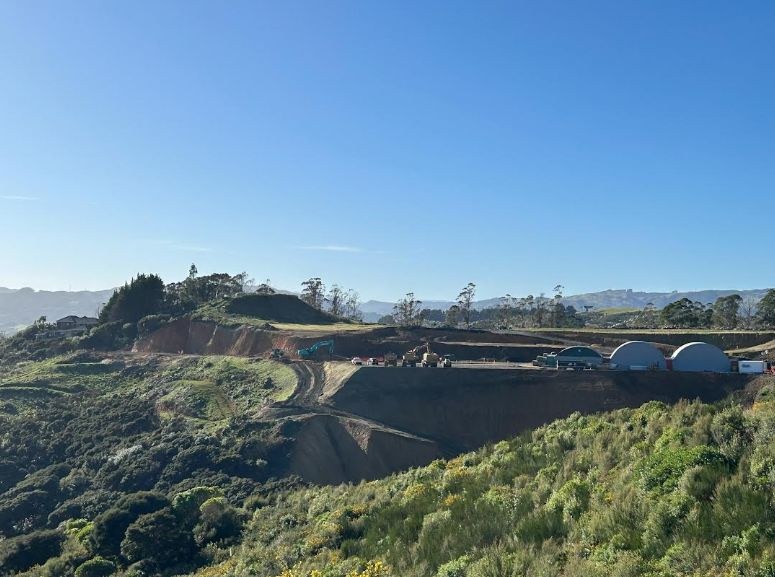
Queenstown has moved from active fire response to recovery watch after Fire and Emergency New Zealand said the Walter Peak fire had been fully contained and crews demobilised.
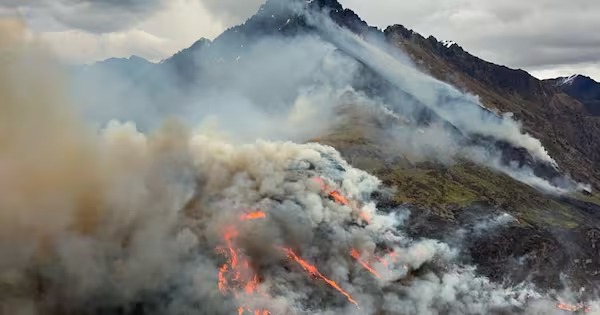
The vegetation fire broke out near Walter Peak Station on Tuesday afternoon and burned for three days across the southern side of Lake Wakatipu. 1News reported that the fire covered an estimated 1350 hectares, mostly on Walter Peak Station, Cecil Peak Station and adjoining Conservation Estate.
Fire and Emergency District Commander Blair Kiely said the fireground was being handed back to landowners after assessment of conditions and forecast weather. The vessel exclusion zone near the Walter Peak shoreline was also lifted, though authorities warned some areas may continue to smoulder and that smoke may still be visible.
That handover is good news, but it is not the end of the story. Fire and Emergency said flare-ups would be monitored and crews would respond if there were signs the fire could spread outside the perimeter. A further aerial inspection was planned for Monday.
The scale of the burn is a reminder of how quickly a local incident can become a landscape event in Otago's dry, steep terrain. Earlier updates described firefighters, helicopters, incident management personnel, landowners, iwi representatives, Department of Conservation staff and partner agencies working in difficult conditions. Fire and Emergency also said no homes, buildings or livestock had been lost.
The environmental assessment may be harder to resolve. Fire and Emergency's update said the fire affected tussock, scrub and tree cover, and local biodiversity was expected to have been affected. That matters because the land around Walter Peak is not only scenic backdrop for Queenstown tourism. It is working high-country land, conservation estate and habitat that will now need monitoring after the flames have gone out.
For residents and visitors, the visible drama may fade quickly once smoke lifts from the lake. For landowners and agencies, recovery will be slower. They will need to watch for flare-ups, assess erosion or vegetation loss, understand biodiversity damage and manage public expectations around access and safety.
The fire also shows the value of clear public information. Smoke drift, helicopter operations and water-based exclusion zones can affect people far from the actual fire edge. In a place where tourism, farming, conservation and recreation overlap, emergency communication has to reach locals, visitors, boat operators and businesses at the same time.
Fire investigators are expected to undertake a formal investigation into the cause, in line with normal procedure. That should be allowed to run before any public conclusion is drawn.
The immediate achievement is containment. The next test is whether the fireground stays quiet, the recovery work is coordinated, and the lessons from the response are carried into the next dry, windy week when a local flare-up can again become a regional concern.