
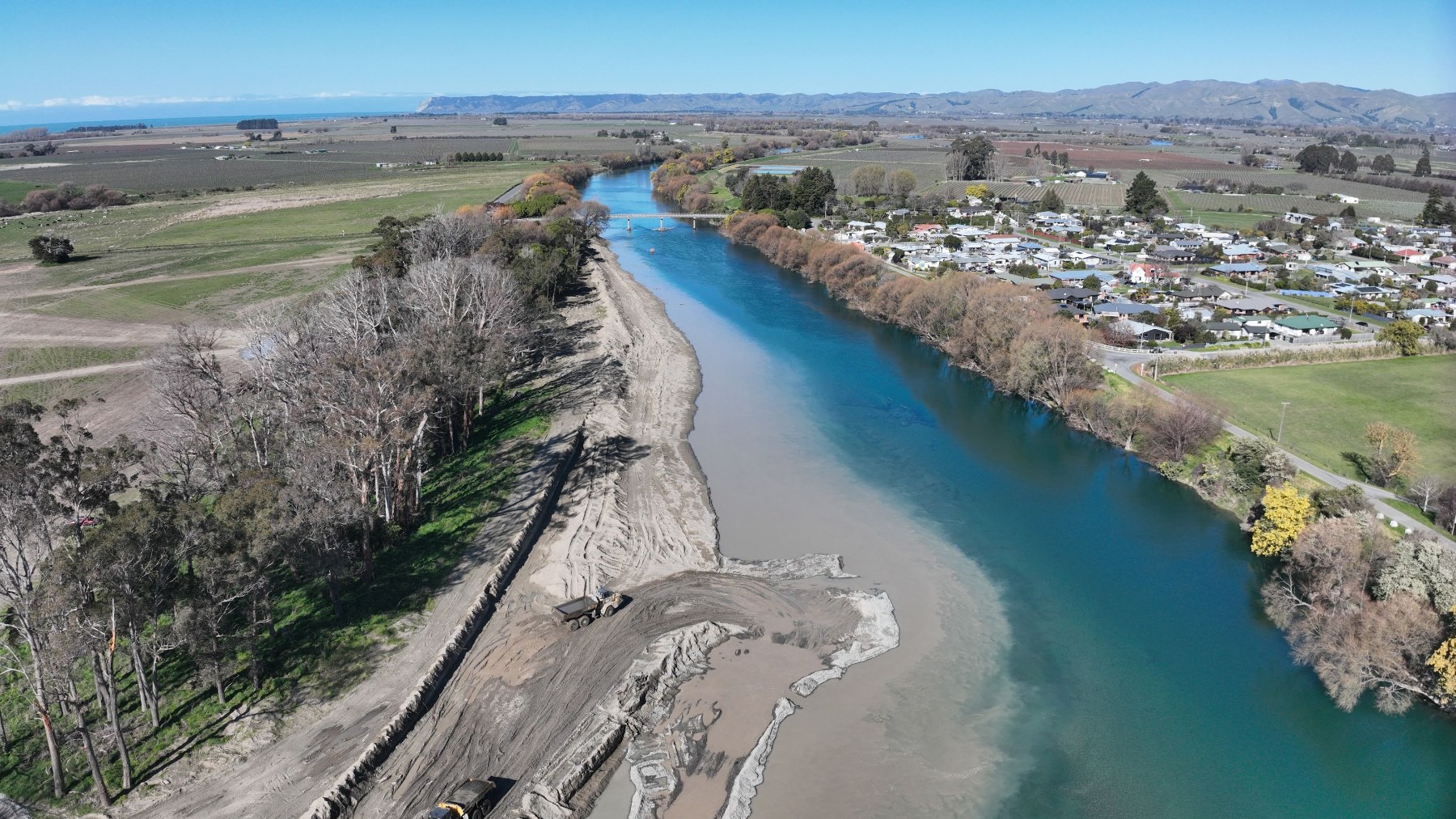
Marlborough's flood protection programme is shifting from emergency response to long-term resilience, with new funding for stopbank work near Spring Creek landing as councils continue to count the cost of winter damage.
Marlborough District Council says additional central-government funding of $10.2 million will support stopbank repairs and upgrades around Spring Creek, north of Blenheim. Mayor Nadine Taylor has welcomed the support, saying work on the wider repair programme is already under way after heavy winter rain put pressure on the region's flood defences.
The funding sits alongside a larger local bill. Council reporting this week put the repair cost from July rain events at about $4.6 million, with damage recorded along river systems including the Omaka and Taylor. Staff have said the region's stopbanks largely performed their core role during the storms, but erosion and structural damage still left a series of repairs to work through.
That distinction is important. Flood infrastructure can protect homes and businesses during a severe event and still come out of it needing expensive restoration. The public often sees the success story first: rivers stay mostly within designed channels, town centres avoid the worst flooding, and communities get through the weather. The maintenance bill arrives more quietly afterwards.
For Spring Creek, the council says design work has been completed and preliminary ground works are under way, with the programme scheduled to continue into 2027. The project is a reminder that resilience spending is rarely a single repair. It is usually a sequence of engineering design, river works, land access, environmental checks, funding decisions and construction windows that depend on weather and ground conditions.
Marlborough is not alone in facing that pressure. Across New Zealand, councils are balancing ageing assets, more frequent severe-weather repairs and ratepayer concern about affordability. Stopbanks, culverts, drainage networks and river management can be politically invisible until something fails. Once failure becomes visible, the cost of delay is usually higher.
The Spring Creek work gives Marlborough a clearer funding path for one vulnerable part of the network. It also points to the broader question now facing councils: how quickly can local infrastructure budgets move from patching the last storm to preparing for the next one?