
National has announced a set of Jobseeker Support changes it says it would introduce if re-elected. The package is an election proposal and would need new decisions, and in some cases law changes, before taking effect. None of it applies today.
The party says the Ministry of Social Development would run 10,000 random drug tests in the first year, then expand the programme. A first failed test would be recorded; a second would lead to a clinical alcohol and drug assessment, with the usual sanctions regime applying if obligations were then not met. National costs testing at about $1.5 million a year from existing ministry funding.
From 1 April 2028, people who had received Jobseeker Support for two of the previous three years would move to a lower rate. At current rates National says that would mean $48.05 a week less for a single person without children, $81.76 for a couple without children and $24.02 for households with dependent children. It estimates savings of $572 million over four years.
The plan would also double the stand-down for people who repeatedly leave jobs without good reason, from 13 to 26 weeks, and lengthen the residence wait for a main benefit for new residents from two to five years. Refugees, protected persons and people already receiving a benefit would be exempt from that change.
On the support side, National promises intensive case management for 30,000 work-ready jobseekers who have been on the benefit for at least a year, including at least 5000 places for 18 to 24-year-olds, plus an extra $12 million a year for the He Poutama Rangatahi youth employment programme.
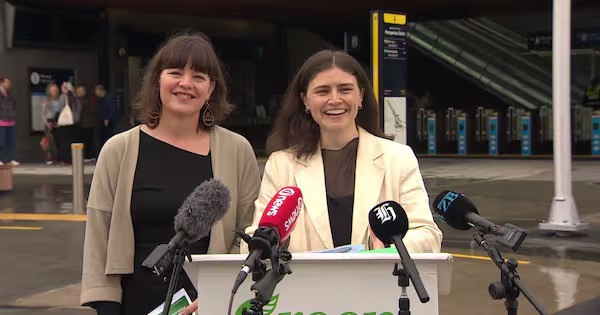
Labour and the Greens criticised the drug-testing plan. Voters will weigh the projected net savings of $583 million over four years against questions about how the lower rate would affect households already on tight budgets.