New Zealand's modified-vehicle scene has a succession problem, and it sits at the point where enthusiast culture meets road safety.
The Low Volume Vehicle Technical Association, which oversees certification for heavily modified vehicles, is looking for new certifiers as a large share of its current workforce approaches retirement. 1News reported that about 6000 vehicles are certified each year by 46 certifiers nationwide, with nearly a third of those specialists nearing the end of their working lives.
The numbers are small, but the role is important. Low-volume certification is what lets highly modified vehicles move from workshop ambition to legal road use. It asks whether suspension, steering, brakes, chassis work, engine changes and other modifications meet safety standards before a vehicle mixes with everyday traffic.
LVVTA chief executive Ken McAdam warned that losing certifiers could mean longer waits for owners seeking approval. For enthusiasts, delays can stall projects that have already taken years of work and serious money. For regulators and road users, the concern is different: if the certification system becomes hard to access, some people may be tempted to drive vehicles before they have been properly assessed.
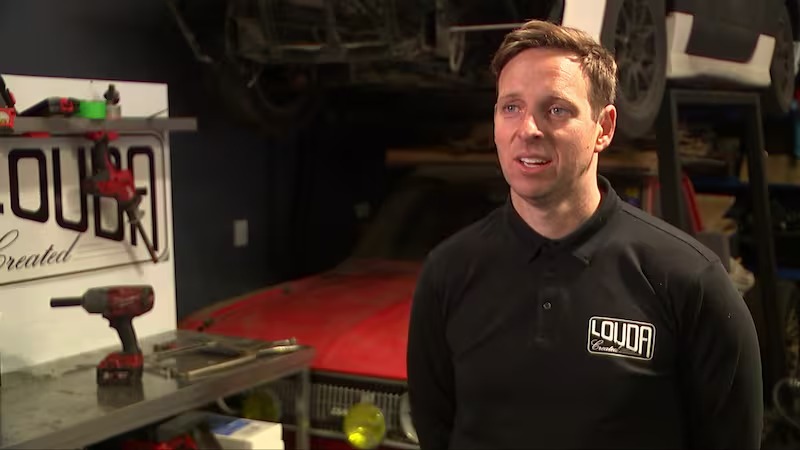
The operator story is clearest in Kapiti certifier Matt Lauder. 1News reported that Lauder spent years working on cars and competing in drifting before becoming an official low-volume certifier last year. His pathway shows why this work cannot be filled by a generic vacancy ad alone. The best candidates often come from deep workshop experience, where they have already learned how modifications behave under real pressure.
That does not mean the system can rely only on hobby knowledge. Certifiers need technical judgement, consistency, independence and the ability to spot faults before they become crashes. They also need to work with owners who may be emotionally and financially invested in a build. Telling someone a modification is not safe can be harder than checking a box.
The succession challenge is therefore about recognition. New Zealand has a strong modified-vehicle culture, from classic restorations and four-wheel drives to drift cars, vans, utes and specialist conversions. The people who know that world well may not see certification as a career path unless the sector actively recruits, trains and supports them.
The Transport Agency told 1News it was confident work was under way to keep overall coverage at an appropriate level. That is reassuring, but coverage is not only a map. It is also the waiting time in each region, the depth of specialist knowledge available, and whether younger certifiers can learn from experienced people before that knowledge disappears.
For vehicle owners, the practical message is to treat certification as part of the build, not an afterthought. For the industry, the message is sharper. Safety systems depend on skilled humans who can interpret unusual work, not only on written standards.
The retirement wave gives the sector a chance to turn hidden workshop expertise into a recognised public-safety role. If it misses that chance, the bottleneck will be felt by enthusiasts first and by the wider road system later.