Bupa's plan for a new retirement village and care home in Whitby puts a 10.7-hectare Porirua site into the centre of Wellington's ageing, housing and care-capacity story.
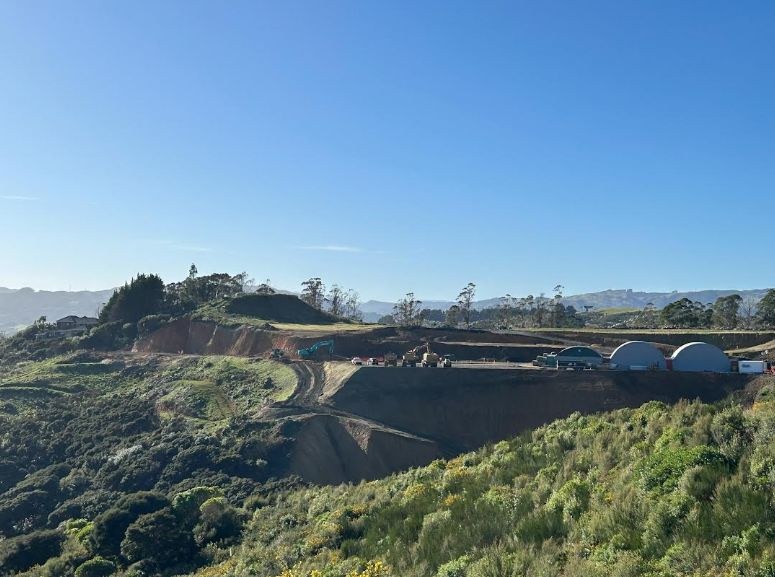
The proposed Bupa Te Awarua Views development is expected to include about 150 retirement living units and a premium care home, with the first villas planned for the second half of 2027. The site sits above Te Awarua-o-Porirua, with harbour views, surrounding hills and native bush covering about a third of the land.
On the surface, the announcement is a property-development item. Underneath it is a demographic signal. Wellington, like the rest of New Zealand, needs more housing and care options for older people who want independence for as long as possible but also want support close by if their needs change.
That makes the model important. A retirement village with a care home attached is not simply a collection of units. It is a promise about continuity: residents can move into a community while they are active, then rely on care infrastructure without having to leave the area if health circumstances shift. For families, that can mean fewer abrupt decisions at moments of stress.
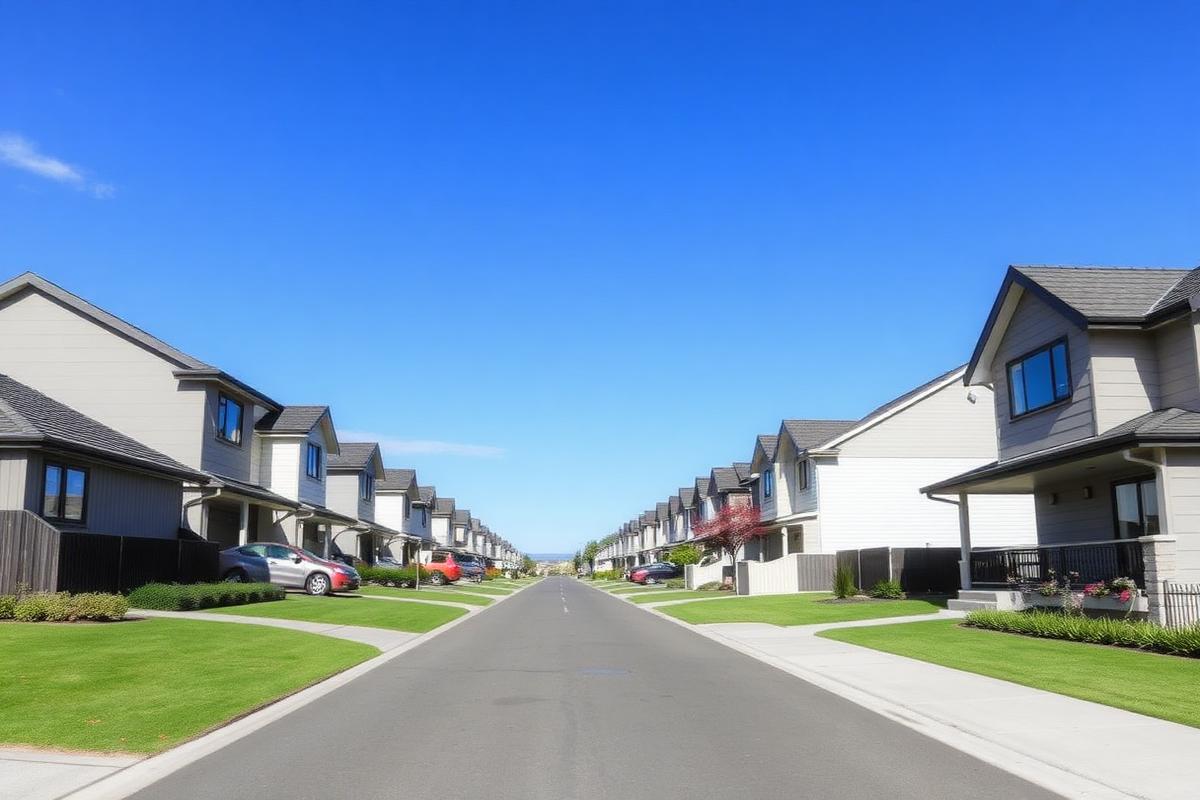
Location will matter. Whitby gives the project a quieter setting than a central-city site, but it also raises the usual questions about transport, access to shops, medical appointments, staff travel and the ability of visitors to reach residents easily. A rural feel can be an asset. It can also become isolation if services and connections are not planned well.
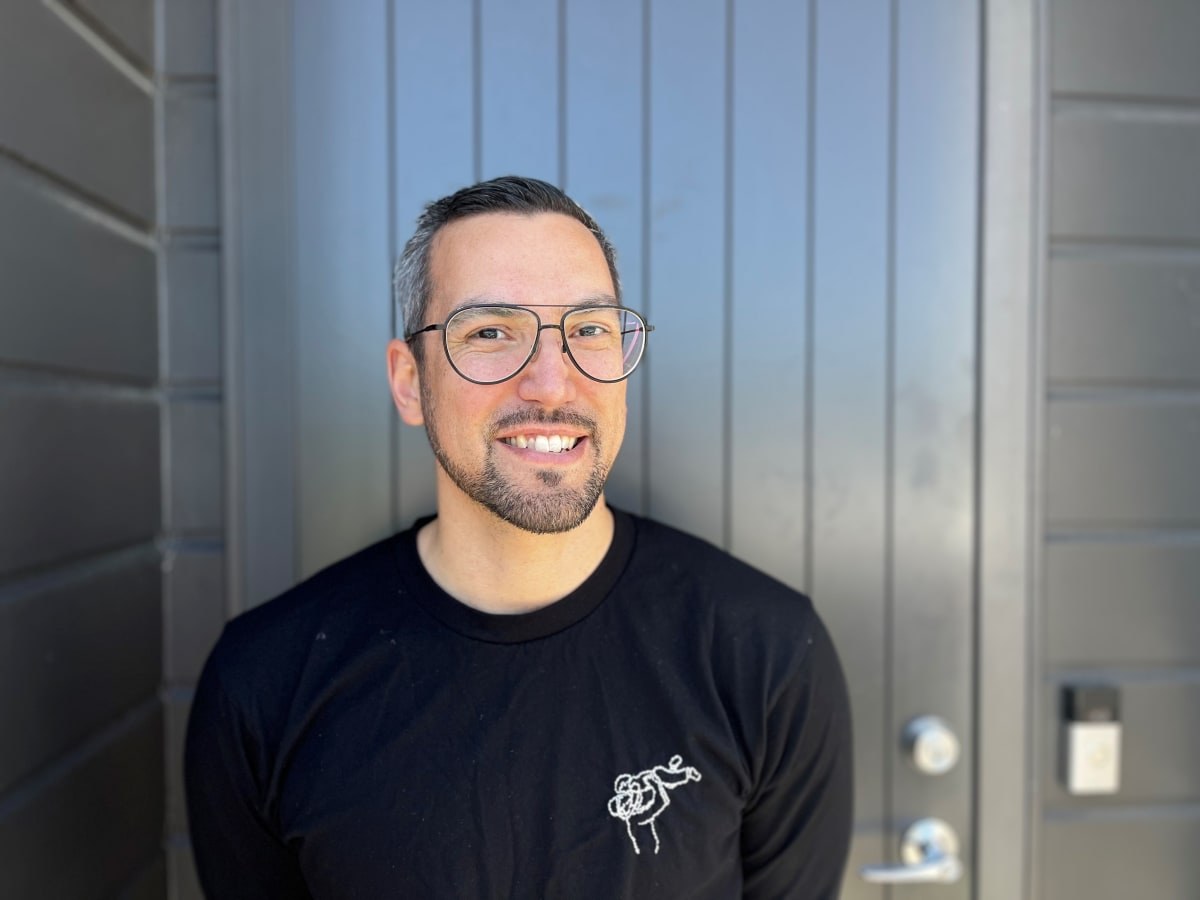
Bupa New Zealand managing director Pedro Sanchez said the development would create a place where older people could live independently, stay connected and know support was available if needed. The name Te Awarua Views reflects the outlook over the Porirua Harbour inlet and ideas of shelter and connection.
The design test will be whether that language shows up in daily life. Retirement living succeeds when residents have privacy without loneliness, care without institutional feel, and outdoor spaces that are genuinely usable rather than decorative. The native bush and harbour setting give the project a strong starting point, but the social infrastructure will be just as important as the views.
For Porirua, the development may also bring jobs, construction activity and a new layer of local demand. Care homes need nurses, carers, cleaners, kitchen teams, gardeners, maintenance workers and managers. Villages also bring visiting families and service needs into nearby centres.
The project is still a plan, not a completed community. Its public value will be judged over years: whether the units are affordable to the intended market, whether care staffing can be sustained, and whether the village feels connected to Whitby rather than sealed off from it.
New Zealand's ageing population is not a future issue. It is already shaping land use, household finances and health services. Bupa's Whitby proposal is one more sign that the next wave of housing growth will have to think as carefully about later life as it does about first homes.