New Zealand's new lifejacket rules have changed the small-boat safety question from whether enough jackets are on board to whether people are actually wearing them when it matters.
From Friday, everyone on a recreational boat six metres or less in length must wear a properly fitted lifejacket while the craft is underway. The rule applies to motorboats, dinghies, sailboats, kayaks, paddleboards and jet skis, subject to existing exceptions. A craft is underway when it is not anchored, made fast to shore or aground.
Water Safety New Zealand chief executive Glen Scanlon described the change as a seatbelt moment for lifejackets, and said the rules were expected to save 12 lives a year. That comparison is useful because it moves the issue away from personal confidence. A seatbelt does not imply a driver expects to crash. A lifejacket does not imply a skipper expects to fall in. Both are about giving people a better chance when a routine trip suddenly stops being routine.
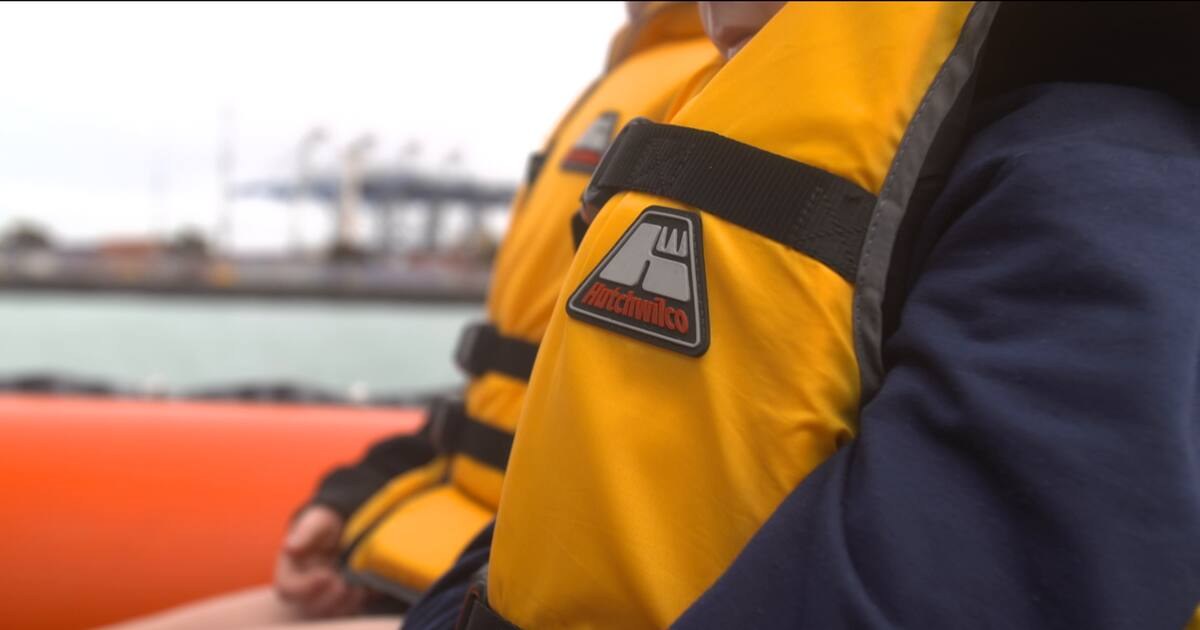
The practical detail is fit. Scanlon told 1News that lifejackets should be accredited and appropriate for the activity. He said a good fit should be snug, with no more than two fingers able to fit up into the shoulder area. Crotch straps are strongly recommended and are required on children's lifejackets.
For many boat owners, the change will not require a new safety culture from scratch. Existing rules already required enough correctly sized lifejackets to be carried, lifejackets to be worn in heightened-risk situations, and skippers to meet safety responsibilities. The difference is that carrying a jacket in a locker no longer satisfies the core expectation for small recreational craft while underway.
The timing matters. Spring and summer bring more occasional boaties, visitors, fishing trips and family days on the water. Those are exactly the settings where the gap between owning safety gear and using it can become dangerous. Cold water, sudden weather, wake, capsize and a simple loss of balance do not give people much time to make a calm decision after the fact.
The rule also creates a communication challenge for clubs, retailers, hire operators and councils. People need to know not just that the law has changed, but which jacket suits a child, paddler, angler or sailor. Clear advice at the point of purchase or launch may do more for compliance than enforcement headlines alone.
There are exemptions, including for surfers, some sports events and stand-up paddle board surfing. Those carve-outs should not blur the main message. For small craft in ordinary recreational use, the jacket now belongs on the person, not under a seat.
The best safety rules are the ones that become boring habits. If the new law turns lifejackets into the normal starting point for small-boat trips, it will have done more than create another compliance obligation. It will have changed the default.