Air New Zealand's latest market-announcement pack has put long-haul travel reliability and cabin consistency back in focus, with the airline confirming details of its Boeing 777-300ER upgrade programme and reporting stronger operational performance for June. For travellers, the story is not only new seats. It is whether the national carrier can deliver a more predictable international experience after several years of aircraft and engine disruption.
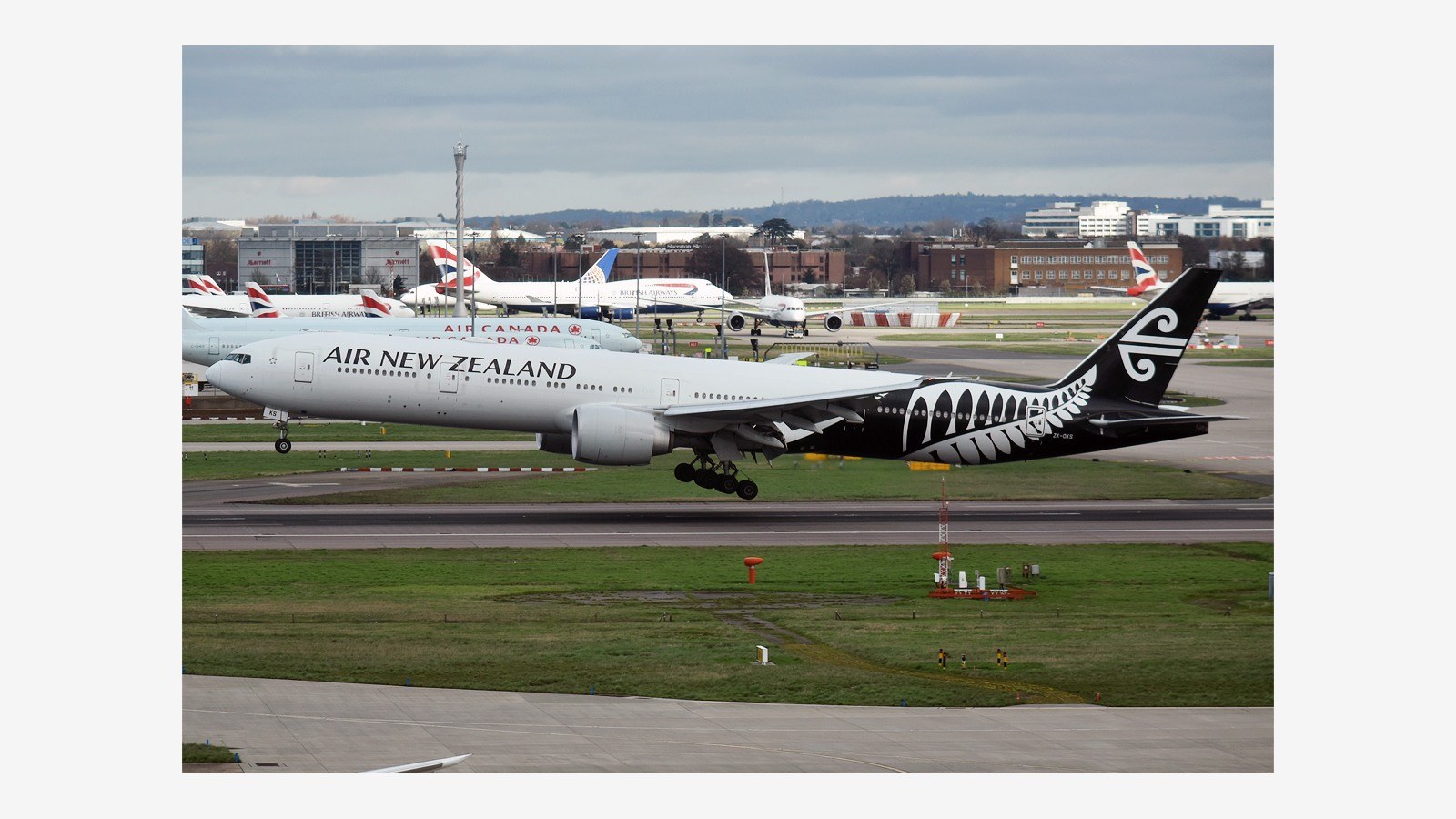
The airline says its 777-300ER fleet will receive refreshed Business Premier and Economy interiors. The Business Premier cabin will move to new Collins Elevation seats in a reverse-herringbone layout, with 44 seats unchanged from the current count, lie-flat beds, privacy doors, centre-seat dividers, 18-inch inflight entertainment screens, Bluetooth audio and USB A and USB C connections.
Economy will get new ergonomically designed ZIM seats and upgraded entertainment screens. The airline says the refreshed Economy cabin will have 246 seats, two more than the current layout, with Economy Stretch seats offering 35-inch pitch and standard Economy seats offering 31 to 32 inches. Premium Economy has already been refreshed with new seat covers and cabin curtains.
The first 777 is scheduled to be retrofitted in March 2027 and enter service by May 2027. That timeline means travellers will not see the full effect immediately, but it gives the airline a clear product path for aircraft that remain important to its international network.
The same announcement pack also gives operational context. Air New Zealand said it operated 12,279 flights across its domestic and international network in June, with 86 percent arriving within 15 minutes of schedule. That was below May's record 89.1 percent, but a significant improvement on June last year, when 78.3 percent arrived on time.
Reliability is central to travel confidence. A new seat matters less if missed connections, rolling delays or aircraft availability problems dominate the journey. Air New Zealand said reactionary delays were reduced by more than 50 percent compared with June last year, while cancellations within the airline's control fell to 0.7 percent from 1.7 percent. Total cancellations were higher at 3.3 percent, mainly because of severe weather and disruption caused by the Wellington Airport fire.
The airline also reported that all 14 Boeing 787-9 Dreamliners would have the new cabin experience by the end of 2026, and that two new 787-9 aircraft were due from Boeing by the end of the year. That matters for New Zealand tourism because aircraft availability limits route options, frequency and the ability to recover when disruptions hit.
For passengers, the practical takeaway is mixed but positive. The 777 cabin changes are still months away, yet the upgrade plan suggests Air New Zealand wants a more consistent long-haul product across its international fleet. The June performance figures suggest the airline is also trying to repair the operational basics that travellers feel most directly.
New Zealand's distance from major markets makes aviation reliability more important than in countries with many overland alternatives. A delayed long-haul flight can affect holidays, family visits, business meetings and inbound visitor itineraries across the country. If Air New Zealand can pair better cabins with more dependable operations, the benefit will reach beyond the aircraft cabin into the wider travel economy.