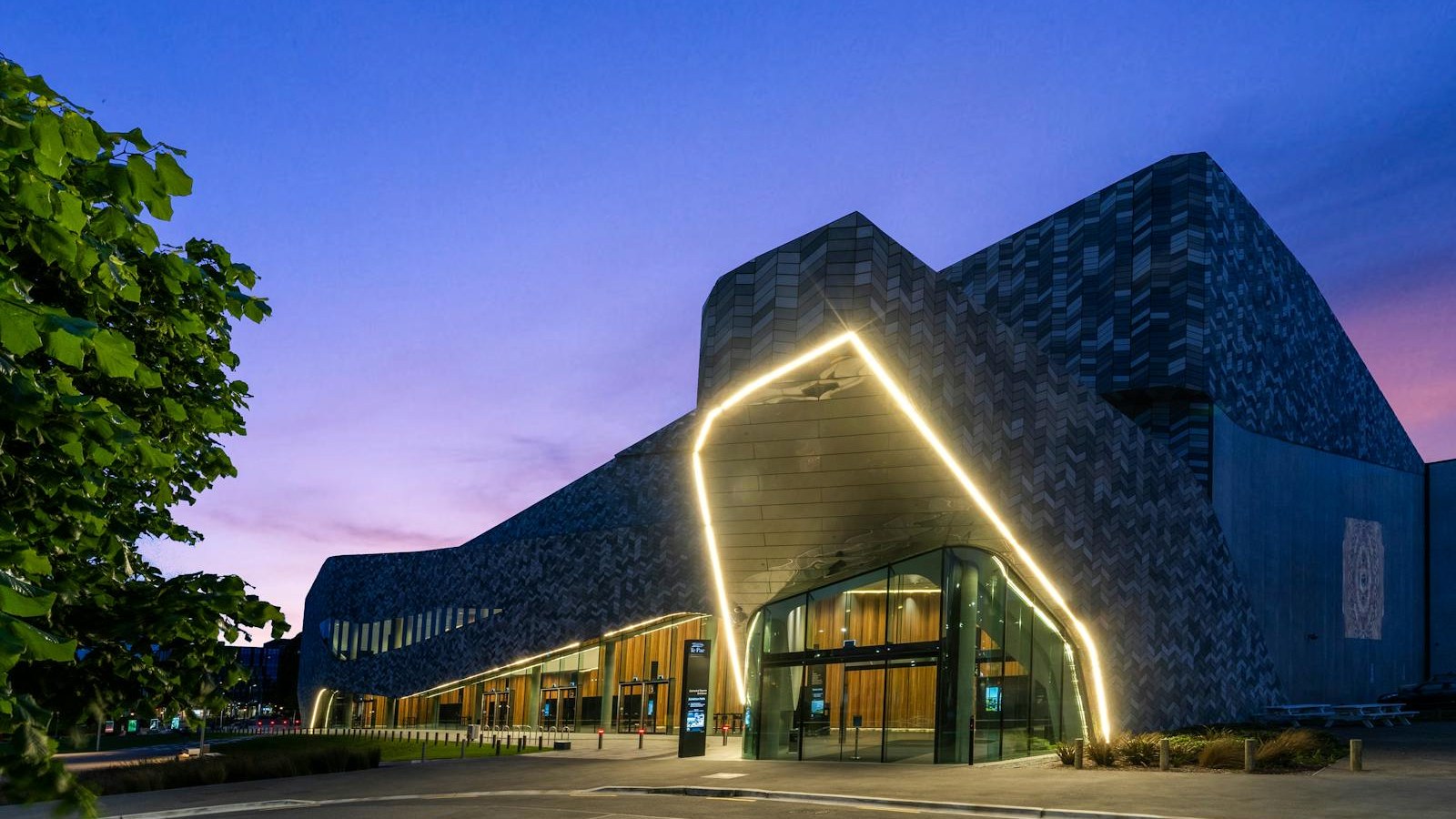
Tourism exporters are gathering in Christchurch this week for the Tourism Export Council of New Zealand's 2026 conference, with the industry event scheduled for 5 and 6 August at Te Pae Christchurch Convention Centre. The timing gives operators a useful national meeting point as inbound tourism continues to rebuild, compete and reposition in a crowded global travel market.
The conference matters because tourism export work is not only about attracting visitors. It is about selling New Zealand experiences through international trade channels, building relationships with wholesalers and agents, matching products to market demand, and making sure regional operators are visible before travellers make decisions overseas. That work happens long before a visitor lands at Auckland, Christchurch, Queenstown or Wellington.
Tourism New Zealand has listed its attendance at the 2026 conference, which points to the event's role as a link between national marketing and the businesses that actually deliver tours, accommodation, transport, attractions and visitor services. That link is important because a campaign can create interest, but operators turn interest into booked itineraries.
Christchurch is a practical host city for the conversation. The city has international connections, a modern convention centre and strong access to the wider South Island visitor economy. For many travellers, Christchurch is not only a destination but a gateway to Canterbury, the West Coast, Mackenzie Country, Kaikoura and southern touring routes. That makes it a natural setting for discussions about regional dispersal and high-value visitor flows.
The industry's challenge is quality growth. More visitors are useful only if communities, infrastructure and environments can handle them. Operators are under pressure to offer experiences that are commercially viable, environmentally credible and meaningful for travellers who are comparing New Zealand with other long-haul destinations. The old assumption that scenery alone will carry the sale is not enough.
Workforce and cost pressures remain part of the picture. Tourism businesses need guides, drivers, hospitality staff, maintenance crews and managers, often in regions where housing is tight and seasonal work is hard to stabilise. A conference cannot solve those issues, but it can put them in front of the people who negotiate trade relationships and shape expectations for the next season.
International travel demand is also changing. Some travellers want slower itineraries, better sustainability information and more authentic local experiences. Others remain price-sensitive after years of inflation. New Zealand has to compete on clarity, service and trust, not only on distance and bucket-list appeal.
For small operators, the value of the event can be access. A family-owned attraction or regional experience may not have the resources to build every offshore relationship independently. Industry events can help smaller businesses understand buyer demand, meet partners and see where their product fits inside larger itineraries.
The travel story from Christchurch is therefore bigger than two conference days. It is about whether New Zealand's tourism export sector can turn a recovery phase into a smarter growth phase. The operators meeting at Te Pae are not just talking about visitors who are already here. They are shaping the trips people may book months from now.