
Jetstar's decision to suspend its Auckland-Sunshine Coast service from 24 October is still rippling through trans-Tasman travel, with Sunshine Coast Airport publicly expressing disappointment and warning the cut will affect passenger flows. 1News earlier reported that Jetstar was suspending both Auckland-Sunshine Coast and Christchurch-Cairns services, citing lower than expected demand and rising operating costs.
For travellers, the route cut is more than an airline timetable adjustment. Direct services shape where families holiday, how easily people visit relatives, and whether smaller tourism regions can compete with larger hubs. When a direct route disappears, travellers often face longer journeys, extra connections, higher total costs or a decision to go somewhere else.
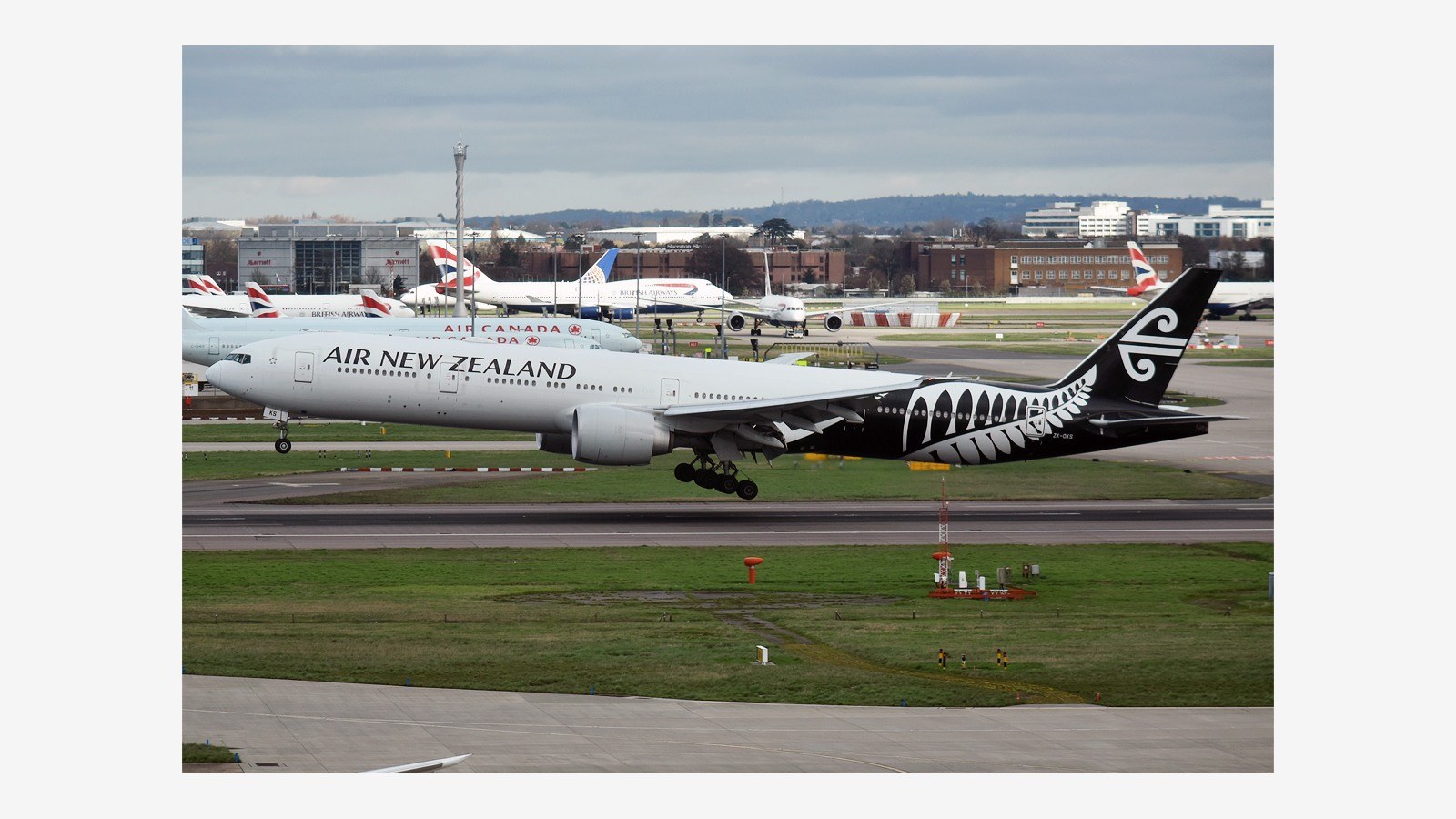
Sunshine Coast News reported that airport chief executive Chris Mills said the airport understood the difficult airline operating environment, including high fuel costs and increased government charges, but was disappointed by the decision. The airport expected the loss of the Auckland service to have a meaningful passenger impact, while Air New Zealand continues seasonal Auckland services.
The change shows how vulnerable marginal routes can be. Airlines can launch a service with optimism, but if load factors stay below network averages or costs rise faster than expected, the route has to compete with other aircraft uses. A plane assigned to one low-demand international route cannot be used on a stronger domestic or trunk international route at the same time.
The cut also arrives as Jetstar is changing the passenger experience in other ways. AP reported that Jetstar plans to charge passengers to use overhead lockers from February 2027, while allowing small under-seat bags to remain free. That policy is aimed at reducing boarding stress and making customers pay for the space they use, but it also changes the mental arithmetic for budget travellers.
Low-cost travel relies on clear expectations. Passengers accept fewer inclusions when fares are genuinely lower and rules are easy to understand. Problems arise when the base fare looks affordable but the total cost grows through baggage, seats, payment fees, transfers and schedule inconvenience. Route cuts make that calculation sharper.
For New Zealand tourism, the broader concern is connectivity. Australia remains a core visitor market, and direct flights into a range of destinations help distribute travel beyond the largest gateways. When services are reduced, visitor spending can become more concentrated and regional operators have to work harder to convert interest into bookings.
There is also a resilience question. A healthy trans-Tasman market needs more than one or two dense routes. It needs enough competition and route variety to keep fares accessible, support events, and give travellers options when weather or operational disruption hits. Every suspended route narrows that network slightly.
Jetstar's Auckland-Sunshine Coast cut does not end travel between the regions, but it removes a convenient direct bridge. The lesson for travellers is to check routes early, compare total trip costs and avoid assuming that seasonal or newer links will stay unchanged. In aviation, demand has to keep proving itself.
Travel agents and event organisers should also adjust early. If groups, sports teams or conference delegates were relying on the direct service after October, they will need new connection plans before fare pressure builds around school holidays and summer travel.