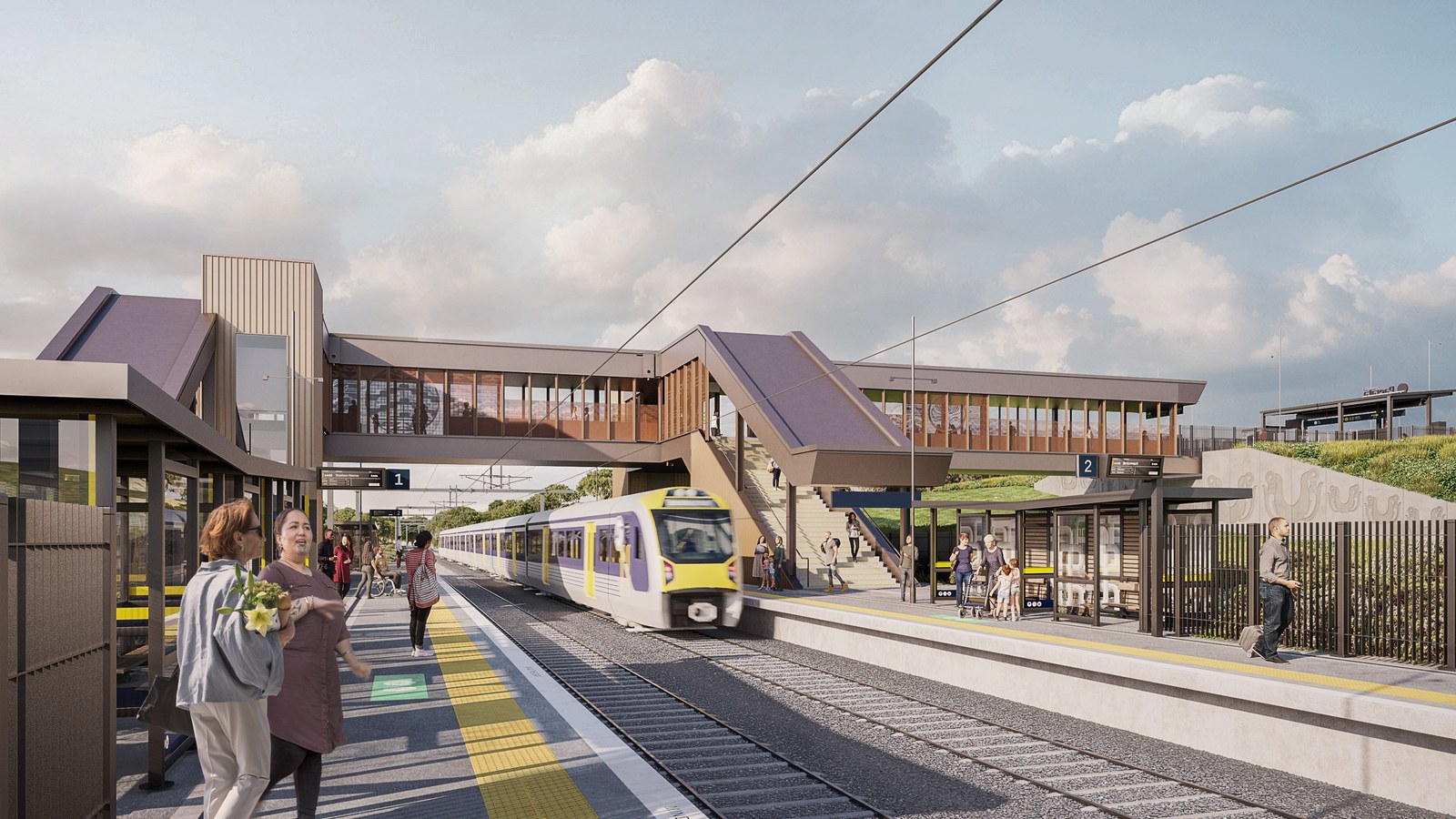
South Auckland and Franklin commuters have a new rail option, with Drury and Paerata stations opening to customers on Sunday 2 August. Auckland Transport says the stations put fast-growing communities on the rapid-transit map just as Auckland prepares for wider City Rail Link changes.
The travel effect will be felt most clearly by people who have had to rely on longer car trips, park-and-ride workarounds or less direct bus links. A new station does not automatically transform a commute, but it gives households another option when choosing where to live, how to reach work, and whether a second car is essential.
The Beehive release said the stations had been formally opened on 1 August, with services beginning the following day and weekday peak trains running every 10 minutes. That frequency is important because public transport becomes more useful when people do not have to plan their lives around a narrow timetable. A train every 10 minutes at peak time gives commuters more flexibility if a meeting runs late or a school drop-off takes longer than expected.
Auckland Transport has also introduced new bus services to connect people to the stations. The 42 runs between Paerata Rise and Paerata Station, with frequent weekday daytime service and weekend connections. The 394 links Pukekohe Station, Paerata and Paerata Station. Those bus links matter because rail stations can fail if they are treated as isolated platforms rather than parts of a full journey.
For travellers heading into Auckland, the opening gives southern growth areas a more realistic rail connection before the City Rail Link reshapes the wider network. It also gives visitors and occasional passengers a clearer option for moving between Franklin and the rest of Auckland without defaulting to the motorway.
The stations will also influence weekend and event travel. When people can reach central Auckland, Manukau or other connected destinations by rail, they have more choices for concerts, sport, airport transfers, hospital appointments and family visits. That does not remove the need for cars in outer suburbs, but it can reduce the number of trips where driving is the only sensible option.
The next test is reliability. New stations create expectation, and expectation becomes frustration if transfers are unclear, buses miss trains, park-and-ride spaces fill too quickly, or information screens are hard to follow. Auckland Transport will need to watch early passenger behaviour closely and adjust wayfinding, bus timing and service communication where needed.
The opening also has a housing dimension. Rail access can make new developments more attractive, but only if walking, cycling and bus access are safe and practical. A station surrounded mainly by car access risks becoming a congestion point. A station integrated into local streets can change daily habits.
For now, the travel story is straightforward: Drury and Paerata are no longer future promises on a network map. They are live stations with linked bus services and peak rail frequency. The value will be measured not by ribbon-cutting language, but by how many people can now make an ordinary trip more easily.