New Zealanders planning United States travel are being told by SafeTravel to exercise increased caution, with the official destination advice highlighting terrorism, civil unrest, violent crime, firearms, natural disasters, entry scrutiny and domestic flight identification rules. The SafeTravel United States page lists the advisory level as level 2 of 4 and says travellers should have comprehensive travel and medical insurance in place before going.
The update is important because the United States remains a common destination for New Zealand holidays, work trips, study, family visits and sport travel. It is also a large and varied country, so risks can change by city, state, season and event. SafeTravel advises New Zealanders to check the US National Terror Advisory System when making plans, watch for petty crime in urban centres and tourist areas, follow local authorities during natural disasters or severe weather, and understand that US border authorities apply strict entry and stay rules.
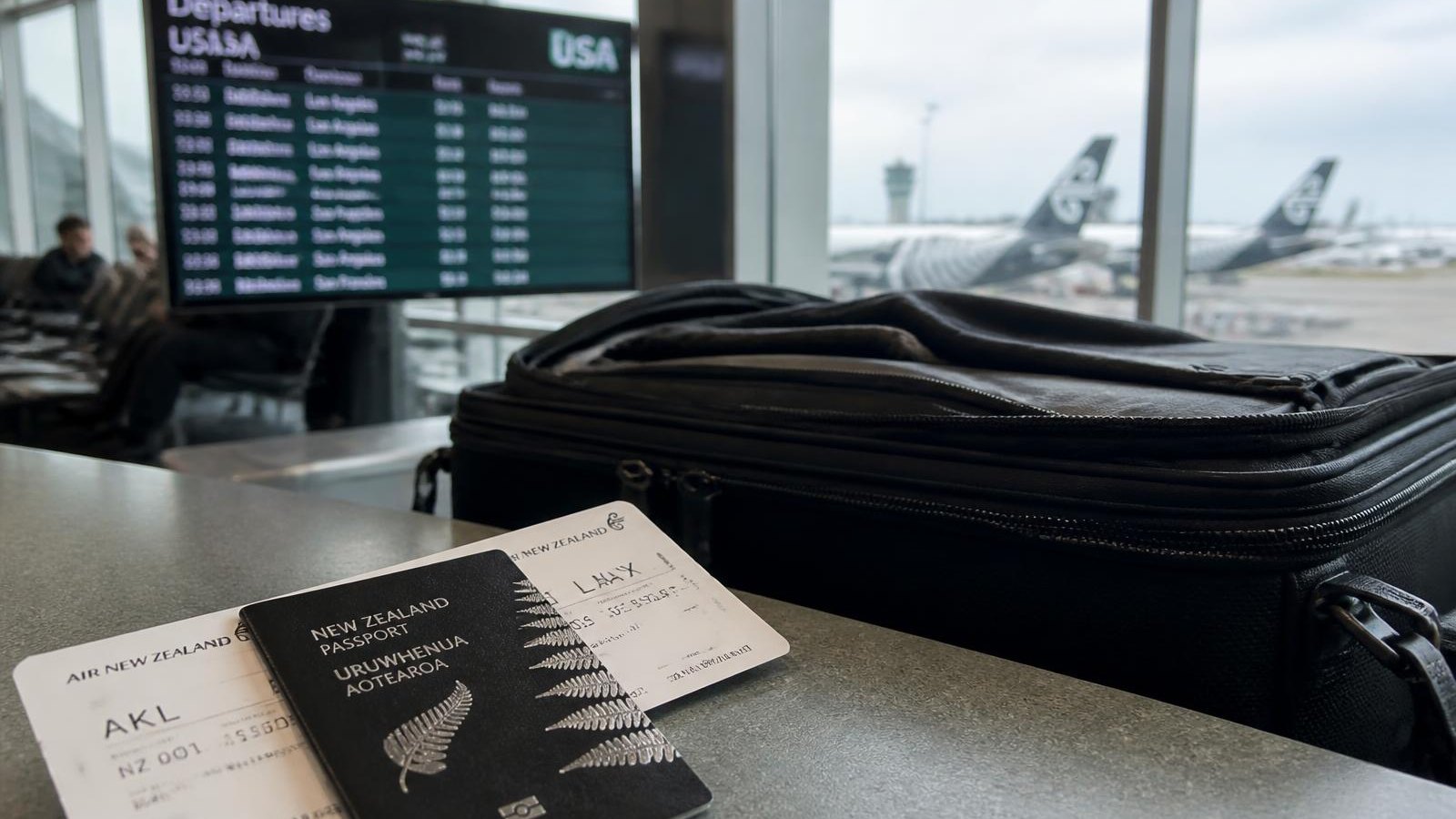
One practical detail is domestic air travel. SafeTravel notes that passengers on flights within the United States need a passport or a United States-issued photo identification that meets Department of Homeland Security REAL ID requirements. For New Zealanders, that means a passport remains the safest default even after arriving in the country. Travellers should not assume that rules for domestic flights in New Zealand will carry over to the US system.
The advice also points to registration requirements for some longer stays. From January 2025, most visitors staying in the United States for more than 30 days are required to register with US authorities. That is a detail easy to miss for people planning extended family visits, remote work, study-related stays or travel built around multiple events. The safest approach is to check entry and registration requirements before booking non-refundable travel.
The 2026 FIFA World Cup, jointly hosted by the United States, Canada and Mexico, has already prompted SafeTravel to publish related event advice. Even after the tournament, the same planning logic applies to major events: crowds, transport pressure, accommodation demand and heightened security can change the travel experience. New Zealanders heading to concerts, sports fixtures, conferences or large festivals should build in extra time and know how to contact the nearest New Zealand embassy or consulate.
The key message is not that New Zealanders should avoid the United States. It is that travel there requires a more deliberate plan than many short-haul trips. Insurance, passport validity, entry documents, local alerts, emergency contacts and family check-ins should be sorted before departure. SafeTravel's level 2 setting is a caution notice, not a ban, but it is also an instruction to treat US travel as a risk-managed trip rather than a casual extension of domestic travel habits.
Travellers should also register plans with SafeTravel where appropriate, particularly for longer stays or trips involving several cities. Registration gives officials a way to send updates if a security, weather or transport event affects a region. It is a small step, but it can make a large difference when families in New Zealand need to know where someone is and how to reach them.