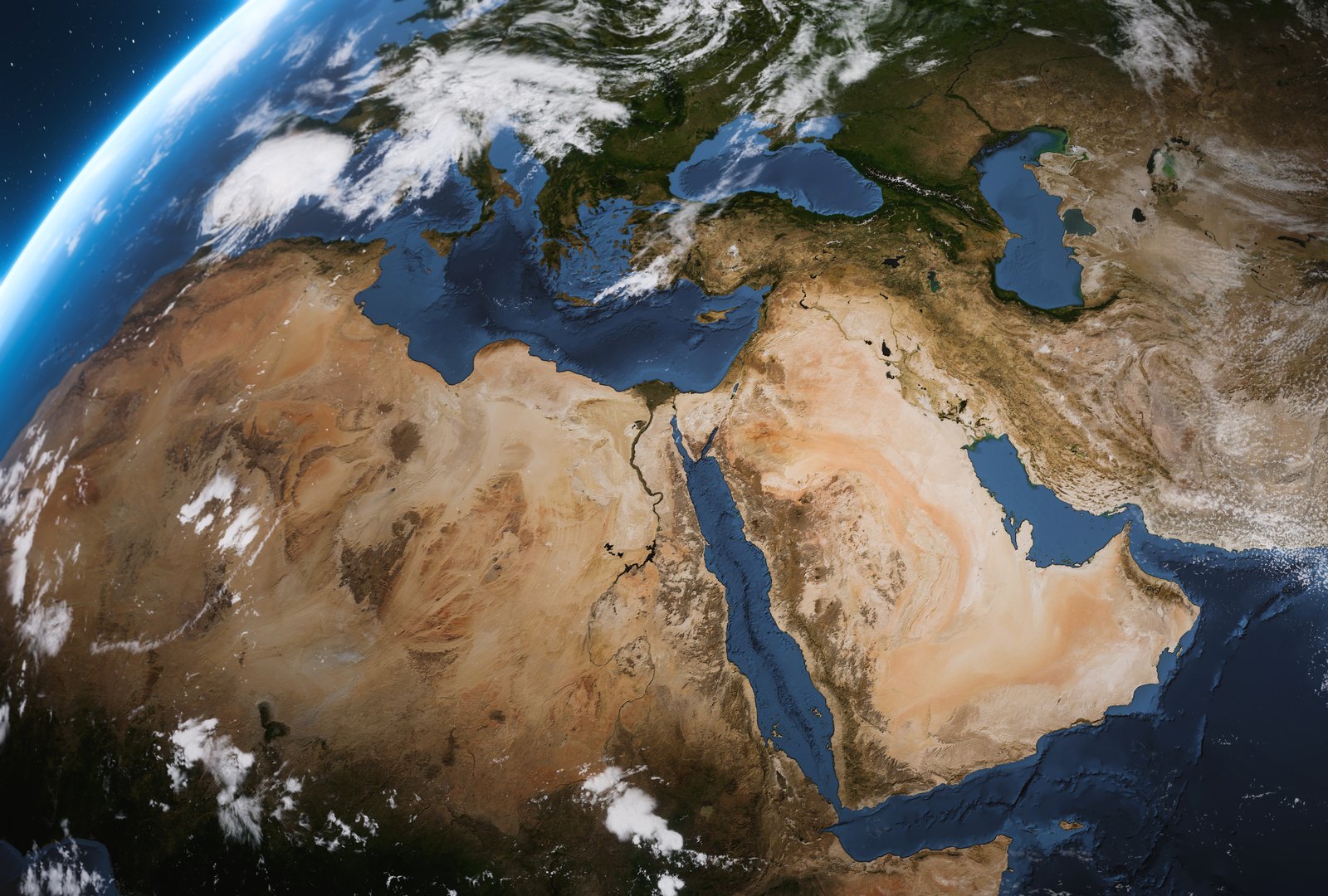
New Zealanders travelling through the Middle East are being told to check routes carefully, with SafeTravel warning that the security situation remains volatile and that airspace disruption can affect transit hubs at short notice.
SafeTravel's Middle East security situation page was updated on 24 July. It says military strikes and reprisal attacks are occurring in a number of locations and that the New Zealand Embassy in Tehran has temporarily closed. The advisory says New Zealanders needing consular assistance should contact the New Zealand Embassy in Ankara or the 24/7 consular emergency line. It also says the European Union Aviation Safety Agency has issued advice to air operators to avoid Gulf airspace until at least 29 July 2026.
The travel significance is immediate because many New Zealand itineraries to Europe use Middle East transit hubs. A person may not think of themselves as travelling to the region if they are only changing planes in Doha, Dubai, Abu Dhabi or another hub. SafeTravel's current advice makes that distinction less comfortable. It tells New Zealanders planning travel to avoid the Middle East and consider other travel routes where possible, and says those who need to transit should stay as short a time as possible.
The advisory also names several Level 3 destinations where New Zealanders are advised against non-essential travel, including Bahrain, Jordan, Kuwait, Oman, Qatar, Saudi Arabia and the United Arab Emirates. It lists Iran, Iraq, Israel and the Occupied Palestinian Territories, Lebanon, Syria and Yemen at Level 4, do not travel. Those advisory levels can change quickly, so travellers should use the live SafeTravel page rather than relying on a saved screenshot or an airline email from earlier in the week.
For households and businesses, the practical issue is risk management. Anyone with upcoming flights should confirm routing with their airline or agent, check travel insurance conditions and understand whether conflict, government advisories or war exclusions affect cover. SafeTravel explicitly tells travellers to consult insurance providers about policy conditions. That matters because a cheap fare with a risky connection can become expensive if a disruption leaves travellers stranded without clear support.
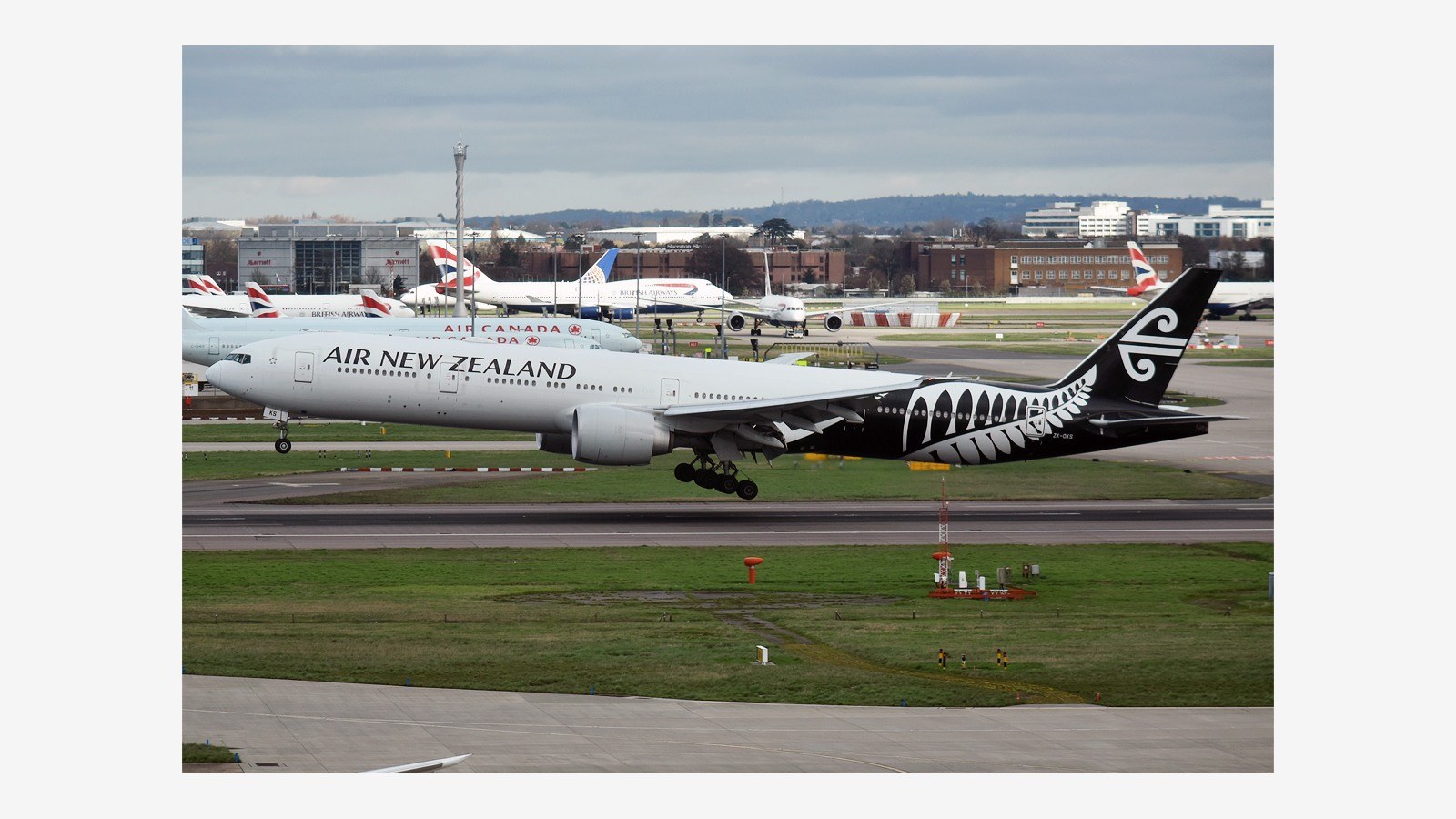
Air New Zealand's travel-alerts page gives general disruption reimbursement guidance, including the need to keep itemised tax invoice receipts if a controllable disruption requires an overnight stay away from home. That page is not a Middle East-specific advisory, but it reinforces a useful travel habit: keep records, read the conditions and confirm support pathways before assuming expenses will be covered.
The current travel article should avoid overclaiming. It cannot say all flights are cancelled or that every Middle East connection is unsafe. The verified sources support a more careful message: SafeTravel warns the regional situation is volatile, some airspace advice runs at least to 29 July, and New Zealand travellers should check with providers before committing to routes through affected hubs.
The best immediate action is simple. Check SafeTravel, check the airline, check insurance, and leave more time for changes if travel through the region cannot be avoided.
Travellers should also make sure family or employers know the itinerary and booking reference details. In a fast-changing security environment, the person at home often becomes the one who can contact an airline, insurer or consular line while the traveller is in transit.