New Zealand has finished the Glasgow 2026 Commonwealth Games with 36 medals, closing the abbreviated Games with 10 gold, 14 silver and 12 bronze. The New Zealand Team's official medal table recorded the final tally after a programme that was smaller than recent editions but still produced a broad set of New Zealand podium results across the week.
The final number gives selectors, sports bodies and athletes a clean scoreboard, but the more useful reading is in the spread. New Zealand's best Commonwealth Games performances usually come when several systems are working at once: high-performance planning, athlete welfare, coaching pipelines, travel preparation, recovery support and enough competition depth at home to produce pressure before the team reaches the Games. A medal table is a public shorthand for all of that hidden work.
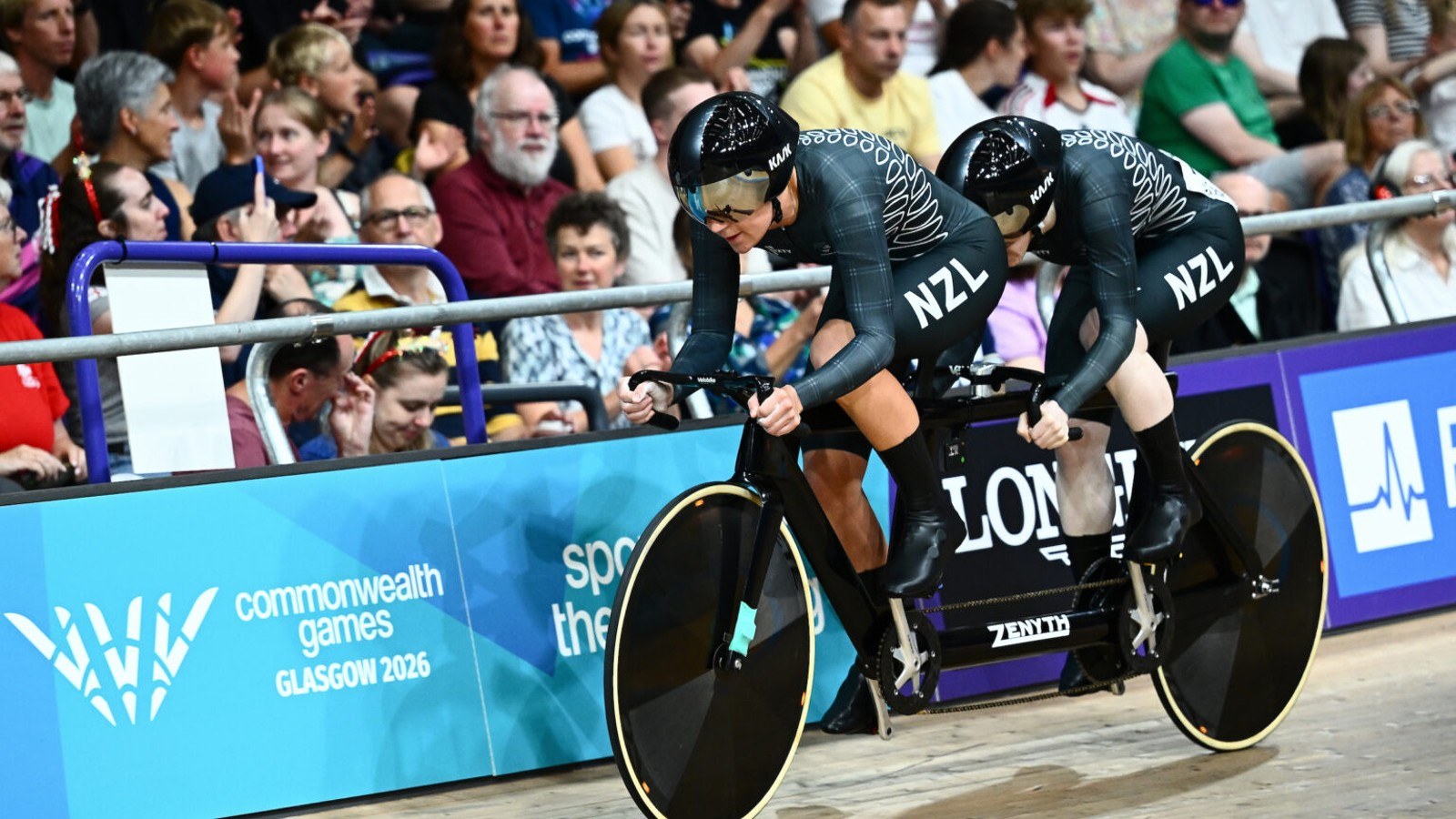
The most visible late headline was netball, where the Silver Ferns beat Jamaica in the gold-medal match. That result will draw deserved attention because it ended a long wait for Commonwealth netball gold and gave one of the country's most watched women's teams a clear reset. But the team tally also reflects contributions from sports that do not always hold the same daily spotlight, including weightlifting, cycling, swimming and athletics.
A smaller Glasgow programme makes comparison with Birmingham or Gold Coast complicated. Fewer sports and medal events mean totals cannot be judged like for like. That should temper both celebration and criticism. The more relevant question is whether New Zealand converted realistic medal chances, whether emerging athletes gained experience, and whether sports with public investment can show a credible path toward the next major cycle.
For athletes, a Commonwealth Games medal can still be career-shaping. It helps with funding applications, sponsorship approaches, selection confidence and public recognition. It also creates a milestone for families, clubs and coaches who often carry the long, expensive build-up well before national attention arrives. The Games are shorter than the Olympics in public imagination, but they remain a major stage for many New Zealand competitors.
The medal mix will also feed into decisions about Los Angeles 2028 and beyond. Some Glasgow performances will confirm established names. Others will force selectors to look again at younger athletes who have shown they can handle an international arena. High-performance sport is rarely sentimental; results create opportunity, but they also raise expectations.
There is a wider participation effect too. Commonwealth success can lift interest in sports that struggle for weekly coverage. A young athlete who sees a New Zealander on the podium may join a local club, stick with training through winter or believe a less commercial sport still has a path. That is not a soft benefit. It is part of the way a small country renews its talent base.
The challenge now is to turn a good medal table into useful planning. Celebration should be quick, but analysis should be honest. Which programmes outperformed? Which were close but not quite ready? Which athletes need better domestic competition, injury support or international exposure? Glasgow has given New Zealand a strong set of results. The job after the closing ceremony is to make sure the next cycle learns from them rather than simply framing the medal count.