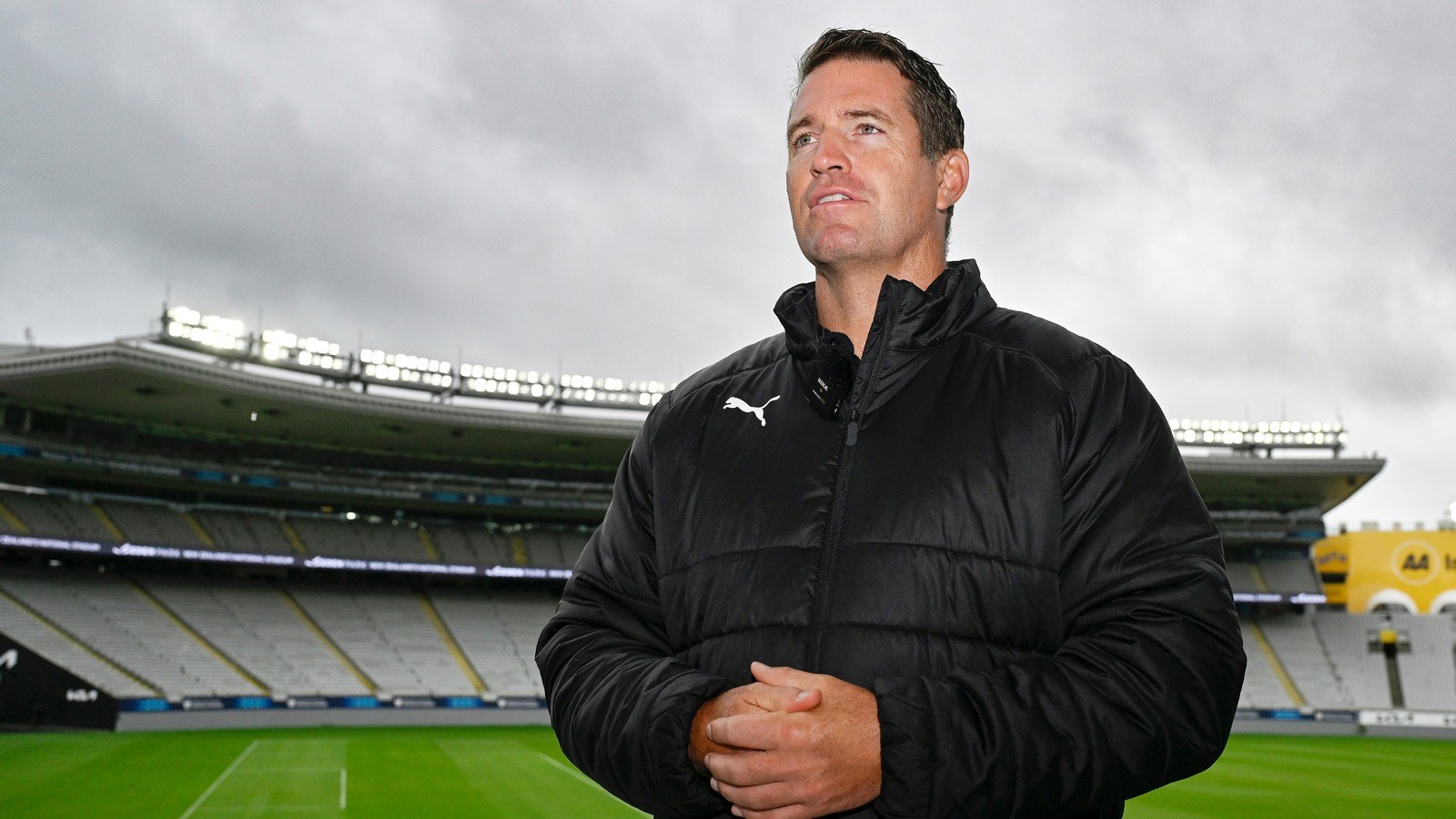
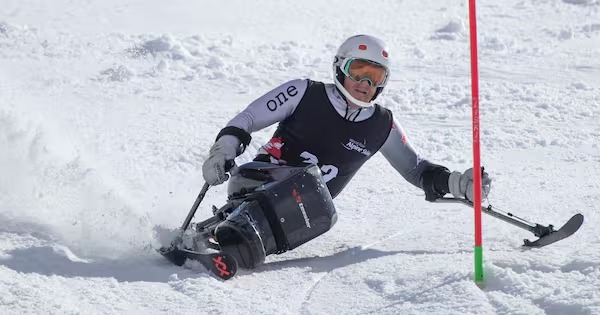
Corey Peters has retired from competitive snow sports, closing a career that made him one of New Zealand's most successful winter Para athletes.
The 43-year-old alpine sit-skier leaves with four Paralympic medals across three consecutive Games: silver in giant slalom sitting at Sochi 2014, bronze in downhill sitting at PyeongChang 2018, and gold in downhill plus silver in Super-G at Beijing 2022. He also made a fourth Paralympic appearance at Milano Cortina 2026.
Paralympics New Zealand described Peters as Paralympian #188 and said his record included 22 World Cup podiums, seven World Cup golds, two World Championship titles and five World Championship podiums. Snow Sports New Zealand had reported earlier this year that Peters was still reaching the podium in 2026, taking silver in Para Alpine Giant Slalom in Switzerland before the Winter Paralympics.
The retirement matters beyond medals because Peters' career helped make winter Para sport more visible in New Zealand. Summer Para athletes often receive the broader national platform. Winter disciplines, especially alpine sit-skiing, demand expensive equipment, overseas snow time, specialist coaching and a level of technical risk many casual viewers barely understand.
Peters' pathway also gave the public a clear story of adaptation and excellence. After a 2009 motocross accident left him paralysed, he began sit-skiing and built a career at the top of a dangerous, technical sport. That history should not be reduced to inspiration alone. The stronger point is performance: he became a world-class athlete in a discipline where the margin between control and crash is brutally thin.
His Beijing gold was the defining public moment, but the durability of the career is just as important. Four Paralympic cycles require physical resilience, funding, equipment management, injury prevention, international travel and repeated proof that a champion can still compete with the next wave. Peters did that into his forties.
The question now is succession. Snow Sports' Para programme has to turn Peters' profile into a pathway for younger athletes, not simply a farewell montage. That means identifying talent, helping athletes access classification and equipment, keeping coaches in the system and making sure public attention does not disappear between Games.
Peters' own retirement statement was full of gratitude for the memories, people and athletes he met along the way. Snow Sports Para high performance programme manager Jane Stevens said future athletes would seek to emulate his career.
His retirement also lands at a moment when New Zealand sport is asking how to keep minority disciplines visible between major events. Para alpine skiing will never have the week-to-week broadcast footprint of rugby or cricket, so names like Peters carry extra weight. They remind sponsors, schools and regional clubs that high-performance pathways can begin outside the most familiar sports.
New Zealand sport should treat that as a challenge. A great athlete's legacy is not only what sits in the medal cabinet. It is whether the next athlete can see a route. Peters has shown the route can lead to the very top of winter Para sport. The job now is keeping it open.