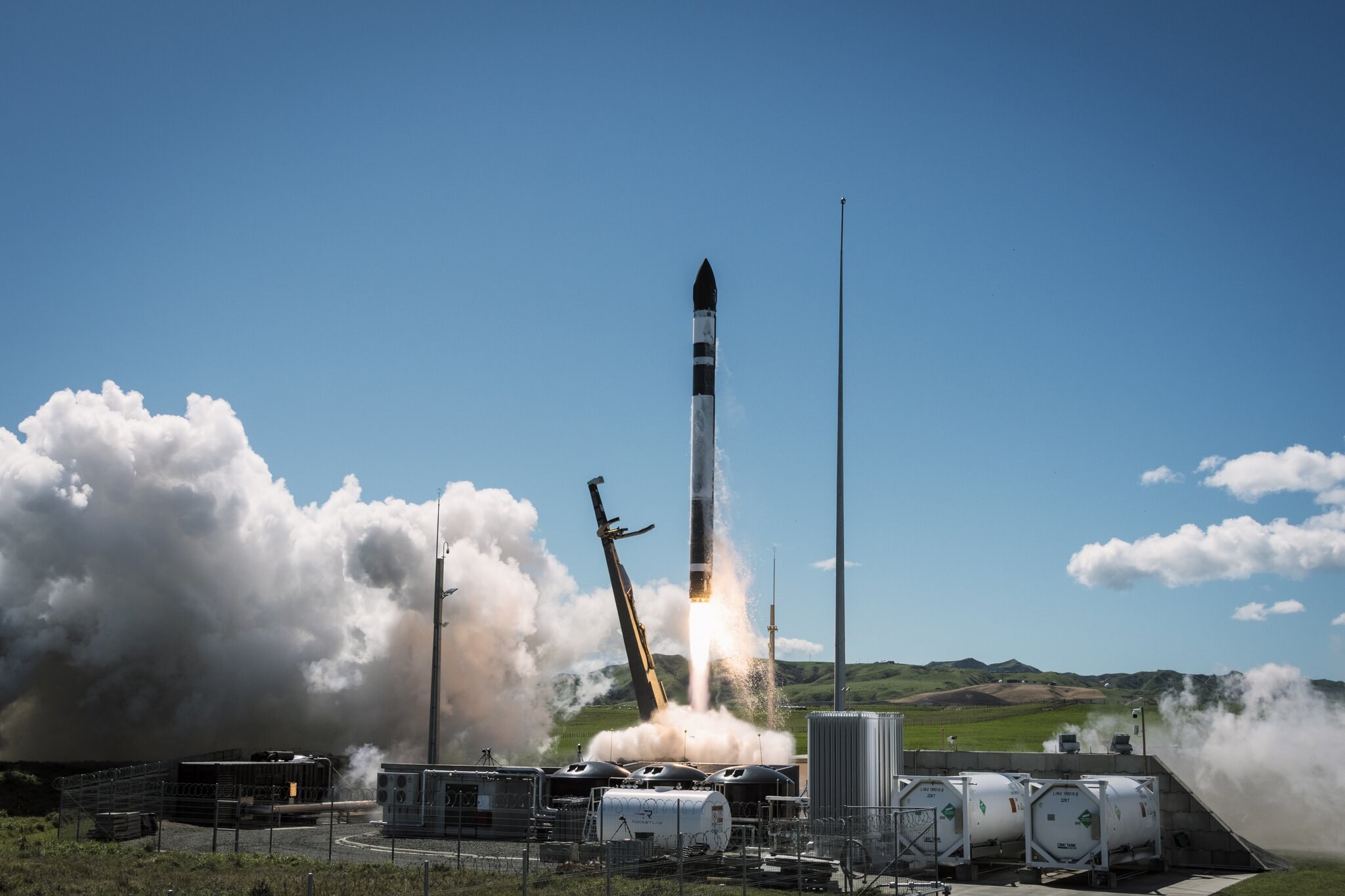
Rocket Lab's latest Electron mission has kept Mahia at the centre of New Zealand's deep-tech export story. The company said the Owlright Owlright Owlright mission lifted off from Launch Complex 1 on 26 September and deployed another Synspective StriX radar-imaging satellite into low Earth orbit.
For readers here, the launch is more than a space-industry update. It is a reminder that a founder-built New Zealand company has turned a remote coastal launch site into part of a repeatable global service, selling dedicated orbital access to customers that need precise timing and specific deployment paths.
The customer story matters too. Synthetic aperture radar satellites can image the Earth's surface at night and through cloud, making them useful for disaster response, infrastructure monitoring, land-use analysis and security work. That makes the Mahia launch pad part of a practical data economy, not only a spectacle.
Sir Peter Beck's founder story still gives the company its local anchor, even as Rocket Lab's operations now span rockets, spacecraft, components and mission services. New Zealand often talks about creating high-value, exportable technology companies; Rocket Lab remains one of the clearest examples of what that can look like when engineering, regulation and international sales line up.
The broader lesson is not that every startup can become a launch company. It is that specialist technical work can be built from New Zealand when customers trust the execution. The 97th Electron mission adds another data point to that argument.