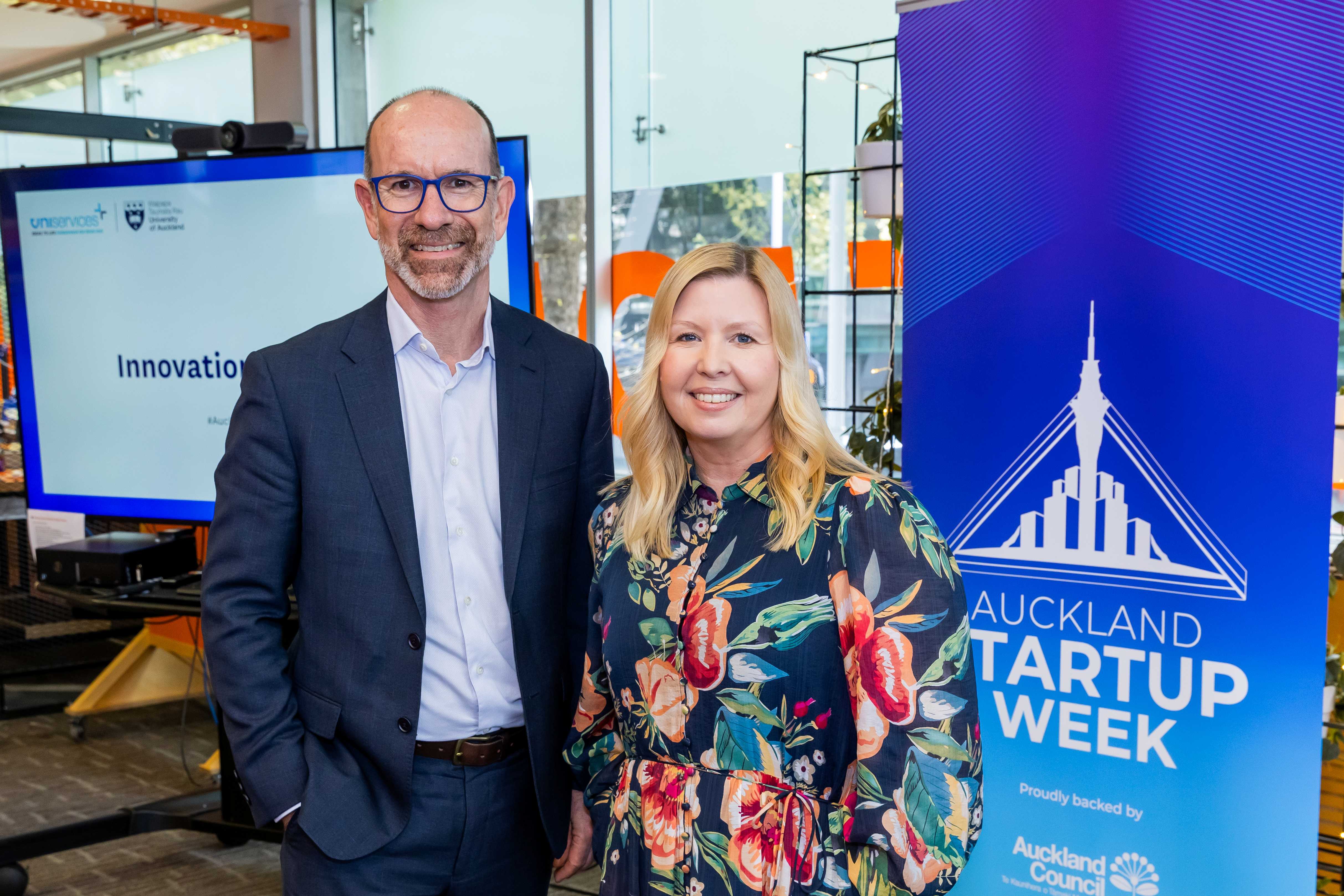
Auckland's startup sector is being pushed back into the public conversation ahead of Auckland Startup Week, with organisers framing next week's programme as a test of whether the city can turn founder energy into broader economic momentum.
The 2026 event runs from 12 to 16 October and is expected to bring founders, investors, advisers and industry leaders together across keynotes, workshops, pitch events and networking sessions. Auckland Council's latest update describes the week as part of a larger 100 Days of Startups campaign, using daily visibility for local ventures to build attention before the main programme begins.
That matters because the city's startup economy is easy to celebrate in general terms and harder to translate into practical support. Early-stage founders need customers, capital, technical advice, mentors and places to meet. Investors need stronger deal flow. Larger businesses need clearer ways to work with smaller companies without smothering them. A week of events does not solve those gaps by itself, but it can make the ecosystem easier to navigate.
Auckland Council says the city already carries a large share of New Zealand's technology weight, including more than half of the national tech sector's GDP contribution and more than half of the country's top globally focused tech exporters. The challenge is turning that base into a more visible pipeline of new companies.
Mayor Wayne Brown has positioned the campaign around risk-taking local businesses and the possibility that a company now working from a place such as GridAKL could become a major exporter. The political timing also gives the programme a sharper edge. In an election-year city, startup policy is not just about innovation language. It is about whether Auckland can make it easier for small, ambitious firms to hire, raise money, sell offshore and stay rooted locally while they grow.
The week is being led by Marissa Brindley from the council's economic development office and organised around themes that include starting, scaling, inspiring and changing. That structure is useful because founder support is not one-size-fits-all. Someone testing a first product needs different help from a company preparing for overseas expansion, and both need different conversations from corporate teams trying to adopt startup methods.
The useful test for Auckland Startup Week will come after the badges are packed away. If founders leave with real customer leads, investor conversations, staff prospects and sharper commercial choices, the programme will have done more than fill a calendar. It will have made the city a little more legible to the people trying to build from it.