
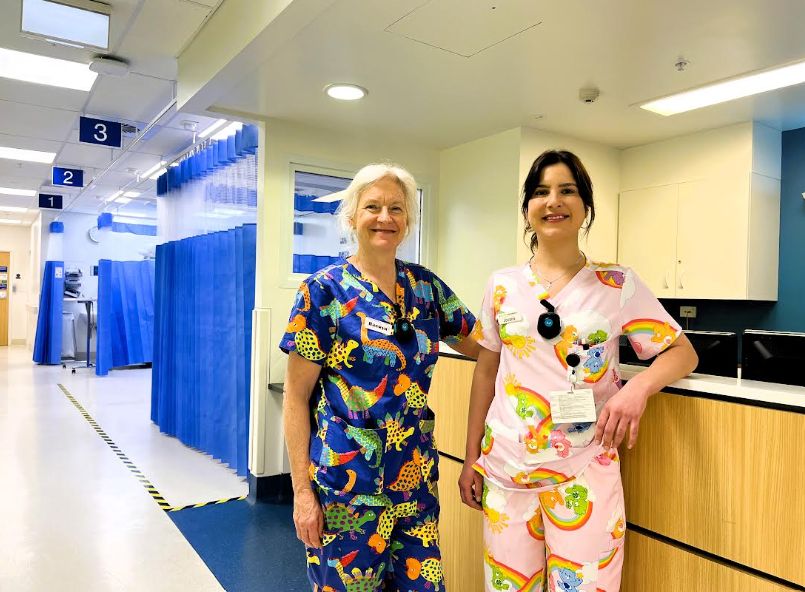
Waikato Hospital's new pathway for planned caesarean births is a reminder that health-system improvement is often found in the details families experience before the operating theatre.
Health New Zealand says patients booked for planned caesarean births at Waikato Hospital are now being prepared through the Day of Surgery Admission unit, known as DOSA. The pathway gives families a dedicated planned-care environment, staggered arrival times and nursing support before they move through to maternity and theatre teams.
For parents, the practical difference can be significant. A planned caesarean is still major surgery, but the day can feel less rushed and less clinical when families know where to go, who will meet them and what happens next. A calmer arrival also matters for people travelling from outside Hamilton, where uncertainty around timing can add stress before an already emotional birth.
The hospital says nurses involved in the pathway have been trained to support the service, which has been developed with Women's Health staff. Clinicians have described the approach as a way to improve communication, reduce congestion and give families a more settled start to the day.
The change also speaks to a broader issue in planned care. Hospitals are under pressure to move patients through safely and efficiently, but efficiency can feel cold when the system is not designed around the person arriving. A pathway such as this one tries to serve both needs. It helps teams organise beds, staff and theatre flow, while also giving families clearer expectations.
The first patient through the new process has described the experience as calm and organised. That kind of feedback is not a substitute for clinical outcomes, but it is still important. Birth care is remembered in human detail: the waiting room, the explanations, the handover, the tone of the day.
If the pathway continues to work, Waikato's example could be useful beyond one hospital. Planned procedures do not need to feel impersonal simply because they are scheduled. The best systems make the predictable parts smoother so staff have more room to focus on the people in front of them.