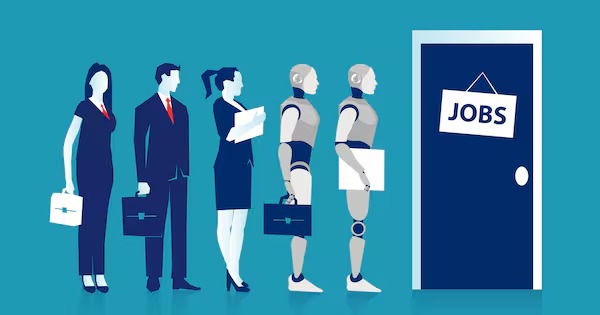
Fears about ghost job advertisements have turned AI hiring from a convenience story into a workplace trust issue, after job seeker Charlie Maclean described being interviewed by an AI agent before the company went silent.
RNZ, carried by 1News, reported that Maclean found the interview awkward and restrictive, with timed answers and little room to pause. She now suspects the role may have been a ghost job: an advertised position with no genuine intention to hire. The concern is that job listings and automated interviews can become a way to collect CVs, identity details and recorded answers for purposes applicants do not understand.
The issue lands at a difficult time for job seekers. A tight labour market gives employers more choice, while remote roles with attractive salaries can draw large applicant pools quickly. AI tools can help companies manage volume, but they can also make the process feel opaque. When a candidate cannot tell whether a real role, a real recruiter or a real hiring decision exists, the job ad stops being a contract of good faith.
Maclean has launched a petition to Parliament seeking an explicit ban on ghost job advertisements. The timing is unusual because Parliament dissolved on 1 October for the election period, and Parliament's petitions page says petitions can still be created and signed but cannot be presented to the House until select committees are re-established. That means the issue may build public support before lawmakers can formally pick it up.
Employers should pay attention even if they use AI tools honestly. Trust in recruitment is fragile. A company that uses automation without clear disclosure risks being grouped with bad actors, especially if applicants receive no human contact, no meaningful updates and no explanation of how their data is handled.
There is a business cost as well. Good candidates talk. If a company becomes known for automated interviews that lead nowhere, it may save time in the short term while damaging its reputation with the people it wants to hire later. The same applies to recruiters and platforms that allow roles to remain live after they have been filled or paused.
The regulatory question is whether existing privacy, consumer and employment rules are enough. A job application can include sensitive personal information, work history, voice or video data, references and identity details. If that material is being used to train systems, screen candidates or build datasets, applicants should know exactly what they are consenting to.
AI recruitment is not the problem by itself. A well-run tool can help schedule interviews, summarise applications and reduce administrative pressure. The problem is opacity: fake roles, unclear data use, automated rejection without accountability and job seekers left wondering whether anyone was hiring at all.
The practical answer starts before legislation. Employers should remove stale listings, disclose AI use, tell applicants whether a role is real and active, and provide a human escalation path. The petition gives the issue a public name. The next test is whether the recruitment market treats transparency as a basic obligation rather than a nice extra.