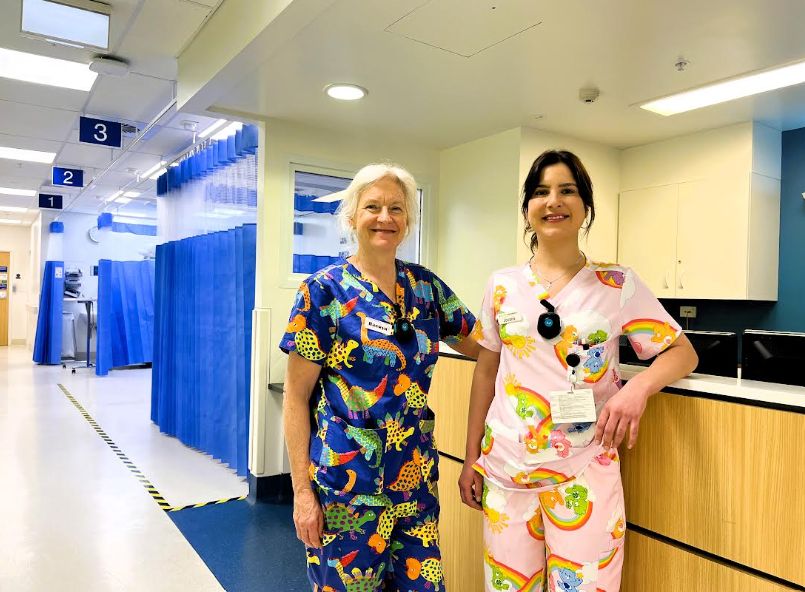

A University of Auckland rural healthcare story has put a personal face on one of New Zealand's most practical lifestyle issues: whether people outside major cities can get timely, trusted medical care close to home. The university's profile of student Cassidy Puttergill describes how rural clinical placement exposed her to the realities of healthcare delivery in smaller communities.
This is not only a workforce story. It is a household story. Access to a local GP, nurse, pharmacy, maternity service or urgent-care option shapes how families make decisions every week. It affects whether parents can get a child seen early, whether older residents can manage chronic conditions, whether workers can keep appointments without losing a full day of pay, and whether communities feel secure enough to age in place.
Rural healthcare has always involved distance, but the pressure is sharper when services are stretched. A short appointment in a city can become a long trip in a rural district. Transport, petrol costs, time off work, childcare and weather all become part of the health equation. That is why training pathways matter. Students who experience rural practice may be more likely to understand the work, the community connection and the professional challenge involved.
The University of Auckland's wider rural training material points to the importance of giving students direct exposure to rural and regional health settings. That exposure matters because stereotypes can be powerful. Some students may assume rural practice is isolated or professionally narrow. In reality, it can require broad skills, strong judgement and closer relationships with patients than many urban settings allow.
For communities, recruitment is only one part of the problem. Retention is just as important. Health professionals need housing, professional support, continuing education, manageable workloads and career pathways that do not make rural service feel like a temporary sacrifice. A placement can inspire interest, but a sustainable job keeps people there.
Patients also need services designed around real life. Telehealth can help, but it is not a full replacement where internet access is poor, examinations are needed or people lack privacy at home. Mobile clinics, nurse-led models, local partnerships and better transport links can all help reduce the gap between need and care.
The lifestyle impact is easy to underestimate from outside. Poor access to healthcare changes how people choose where to live, whether they stay near family, and how confident they feel managing health risks. It can also affect local economies because businesses need workers who can look after themselves and their families without constant disruption.
Puttergill's story is useful because it brings the issue down from system language to lived experience. New Zealand can talk about rural health in terms of budgets, workforce plans and university programmes, but the measure that matters is whether a person in a small town can get help before a manageable problem becomes a crisis.
The next generation of clinicians will not solve that alone, but they are central to the answer. If more students see rural practice as skilled, supported and valued, the country has a better chance of building healthcare pathways that fit more than the biggest cities.