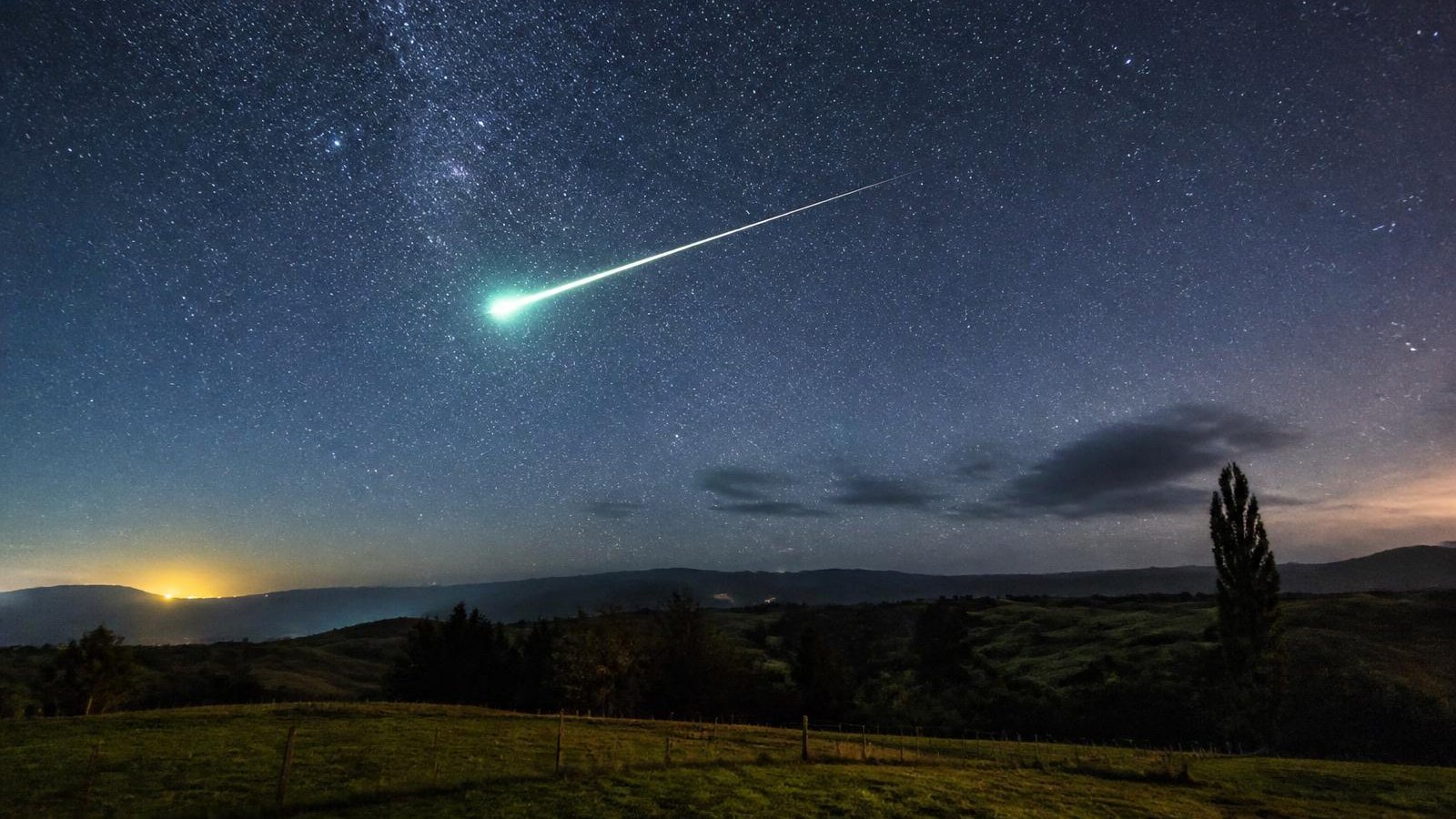
A bright fireball over the North Island has turned a winter night-sky event into a national weather-and-skywatching story, with Fireballs Aotearoa encouraging people to report sightings and watch for possible meteorite debris. The Guardian reported that a fireball was seen over parts of the North Island just after 10.20pm on Tuesday, following a separate South Island fireball on Sunday evening. The event produced a large flash, visible trails on camera and reports of a boom heard by residents.
Fireballs Aotearoa is a network of scientists, astronomers, geologists and citizen observers that tracks meteors and meteorites across New Zealand. Its work sits at the intersection of weather observation, astronomy and public reporting because bright fireballs are often first noticed as sky flashes, sound waves or camera captures rather than as formal scientific events. The organisation says its non-commercial camera network is designed to help discover and characterise New Zealand's next meteorite, feed global meteor observations and engage the public in night-sky monitoring.
The latest reports are notable because sound can tell scientists something important. Fireballs Aotearoa director Steve Wyn-Harris told The Guardian that hearing a sonic boom is exciting because it suggests the meteor reached relatively close to the ground. That does not mean debris is guaranteed, and members of the public should not make unsafe searches. But it does mean observers in likely areas can help by noting times, directions, camera footage and any unusual dark stones found in places where they do not normally belong.
New Zealand is a difficult country in which to find meteorites. The Guardian reported that only 10 confirmed meteorites have been found in the country in the past 150 years. Sparse population, rugged terrain and dense vegetation all reduce the odds that a fallen object will be seen and recovered. Better camera coverage is changing the equation. Fireballs Aotearoa now has a network of cameras around the country, and everyday dashcams and security cameras are adding extra data points.
The timing also lines up with a period of active meteor-watching globally, although not every bright fireball belongs to a named shower. The important public message is practical: report what was seen, preserve video if available, and avoid guessing. A meteor, aircraft, lightning flash and space debris can all be confused in the first moments after a bright sky event. Verified timing, direction, colour, sound and footage help specialists separate useful evidence from excitement.
For Newsroom NZ's weather audience, the story is a reminder that the sky is part of the daily environment, not only a forecast map. Most weather updates focus on rain, snow, wind and temperature. This week, the most talked-about sky event was a fireball that lit up the night and sent people looking upward. The scientific value now depends on careful public reports, not speculation. If debris is found and confirmed, it would be a rare addition to New Zealand's meteorite record.
Anyone who believes they have footage should keep the original file with its timestamp intact, because edited clips can remove details that help triangulation. The same applies to written reports: location, direction of travel, colour, duration and sound are more useful than dramatic descriptions. Good public evidence is what turns a memorable sky flash into a record scientists can actually use.