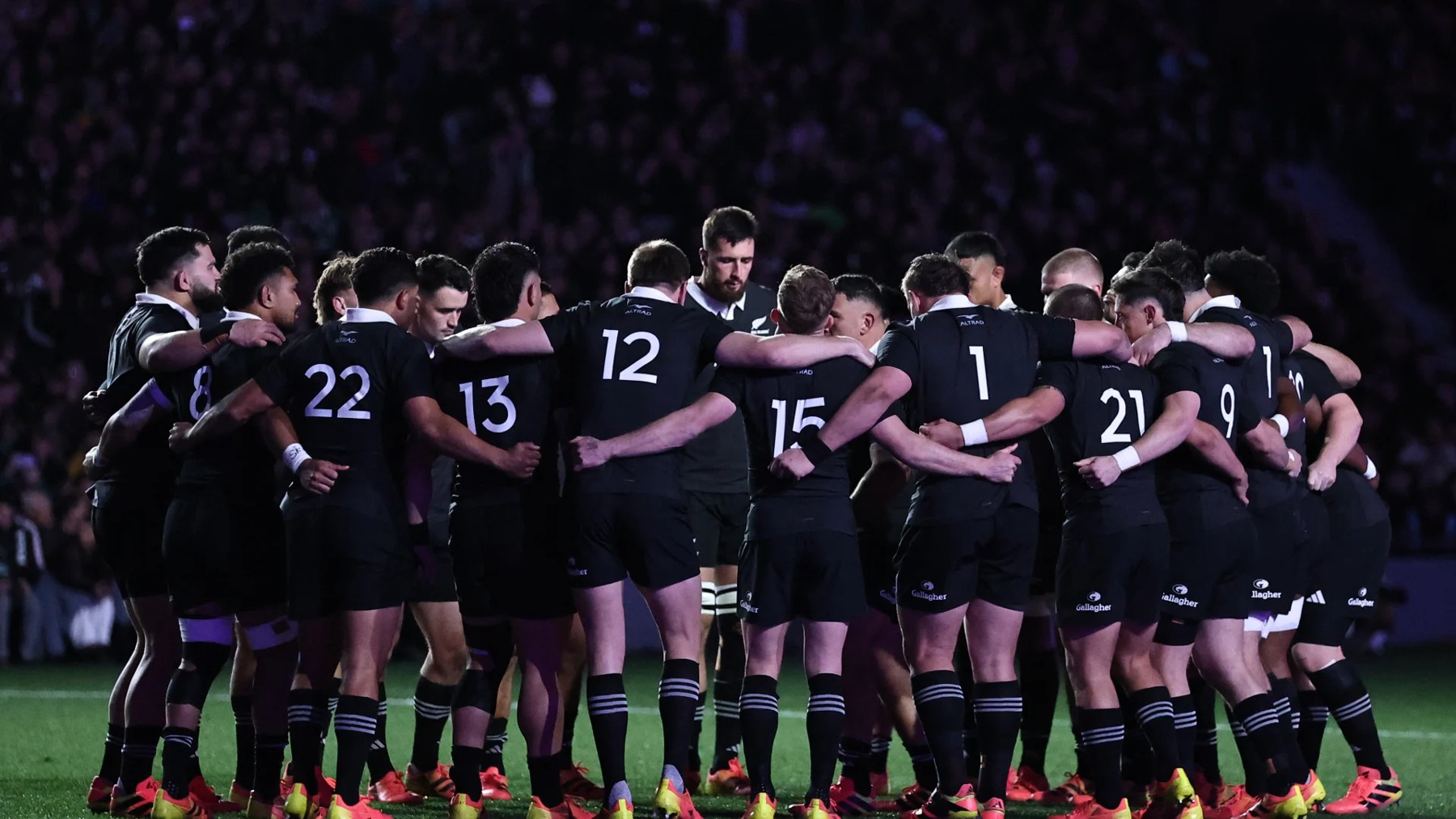
The All Blacks have moved quickly from the July home window into the next phase of their international season, naming a 44-strong squad for the inaugural Rugby's Greatest Rivalry Tour through South Africa and the United States.
New Zealand Rugby's announcement, published today, frames the tour as a major marker for the new competition cycle. A squad of that size signals the selectors are planning for more than a single-match selection call. It gives the management group room to cover travel, recovery, opposition variety and the different match demands likely to come from fixtures in South Africa and the United States.
Ardie Savea remains the central leadership figure for a group that is still being reshaped under the current All Blacks setup. The squad announcement follows the earlier 2026 naming of Savea as All Blacks captain and places his leadership into a tougher touring context. South Africa remains the standard-setting away assignment in world rugby, while the United States leg adds a commercial and growth-market dimension to the programme.
For supporters, the immediate question is how the squad balance will be used. A 44-player group can protect frontline players from excessive load, but it also creates real competition for match-day roles. The tour becomes a test of depth across the tight five, loose forwards and backline combinations, especially where selectors want options for high-ball pressure, set-piece stability and defensive work-rate.
The announcement also matters because All Blacks touring squads are never only about the next test. They shape the public view of who is advancing, who is being managed and who is close enough to the core group to be trusted on difficult travel legs. Players who make a tour like this can turn training-week impressions into long-term selection cases. Players outside it can read the decision as a clear signal of where they sit.
South Africa will bring the traditional pressure points: altitude, physical forward play, territorial kicking and a crowd environment that punishes passive rugby. The United States leg is different. It asks the All Blacks to be convincing in a market where the sport is still building mainstream attention and where touring teams carry a responsibility to make the spectacle accessible to newer audiences.
The sport story is therefore bigger than the list of names. It is about how New Zealand Rugby is using one of the game's most recognisable rivalries to test squad depth, protect standards and keep the All Blacks visible in an expanding global calendar. That balance will be watched closely by fans who want short-term wins, but also by coaches and selectors who know that the next major tournament cycle is already taking shape.
The safest current angle is the squad announcement itself: New Zealand Rugby says a 44-player All Blacks squad has been named for the tour. Any match-day selections, injuries or tactical combinations should be treated as future updates until the official team sheets are released.
Until then, the confirmed news is selection and scale. The All Blacks have chosen a wide touring group, and that alone tells supporters this trip is being treated as a major depth and leadership examination.