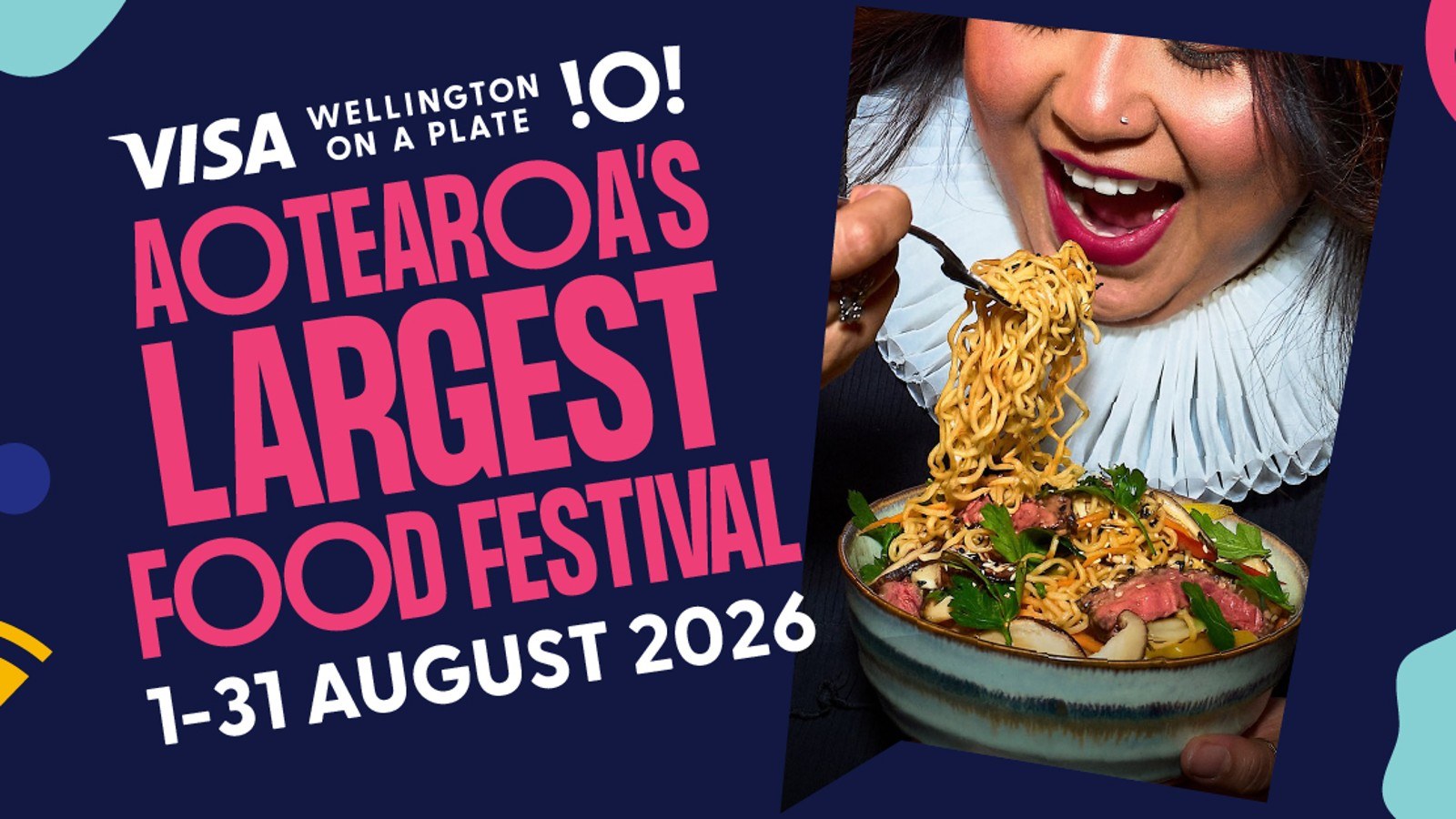

Visa Wellington On a Plate has opened its August run, turning the capital's restaurants, bars and food venues into a month-long festival programme. WellingtonNZ lists the event dates as 1 to 31 August 2026 and describes a mix of dining experiences, pop-up restaurants and the annual Burger Wellington competition across the wider region.
The timing is useful for Wellington hospitality. August is a tough month for casual dining in many cities because winter weather keeps people closer to home and household budgets are under pressure. A large food festival gives diners a reason to book, compare menus, bring friends into the city and try venues they may otherwise postpone.
WellingtonNZ says the 2026 festival brings a taste of the United States to the capital. The city council's earlier programme coverage described the theme as Word of Mouth, focused on how food traditions and stories travel. That gives restaurants room to do more than create novelty dishes. The best festival menus can connect ingredients, migration, family memory, technique and local produce in a way that feels specific to Wellington rather than imported wholesale.
Burger Wellington remains the public-facing engine because it is easy to understand. Diners can compare entries, plan a crawl, vote and argue about favourites. That kind of participation matters. A festival becomes stronger when people feel they are part of it rather than merely watching restaurants advertise at them.
The larger programme also matters for chefs and venue owners. One-off events and collaborations let kitchens test ideas without permanently changing a menu. Pop-ups can introduce new talent, and special dinners can bring suppliers, winemakers, brewers and producers into the story. For a city that sells itself on creativity and hospitality, those details are economic as well as cultural.
Diners should still approach the month with some planning. Popular events can sell out quickly, and restaurants may be busier than usual on normally quieter nights. People with dietary requirements should check menus before booking, especially for set-menu events where substitutions may be limited.
The festival also has a tourism angle. Food is a strong reason for domestic visitors to choose a winter weekend away. A traveller who comes for a meal may also book accommodation, visit galleries, use taxis or public transport, and spend in shops. That broader visitor spend is why food festivals are now part of regional economic strategy, not just hospitality promotion.
The challenge is value. Households are watching costs, and diners will judge whether festival pricing feels generous, fair and memorable. Venues that use the month only to repackage ordinary menu items may not get the same goodwill as those that offer a genuine festival experience.
Visa Wellington On a Plate's strength is that it gives Wellington a shared winter ritual. For the next month, the capital has a clear food-and-drink headline: book early, explore widely, and treat the festival as a chance to support the restaurants and producers that keep the city interesting after dark.
It also gives smaller venues a reason to be discovered beside better-known names, which is valuable in a market where regular customers can be cautious with discretionary spending.