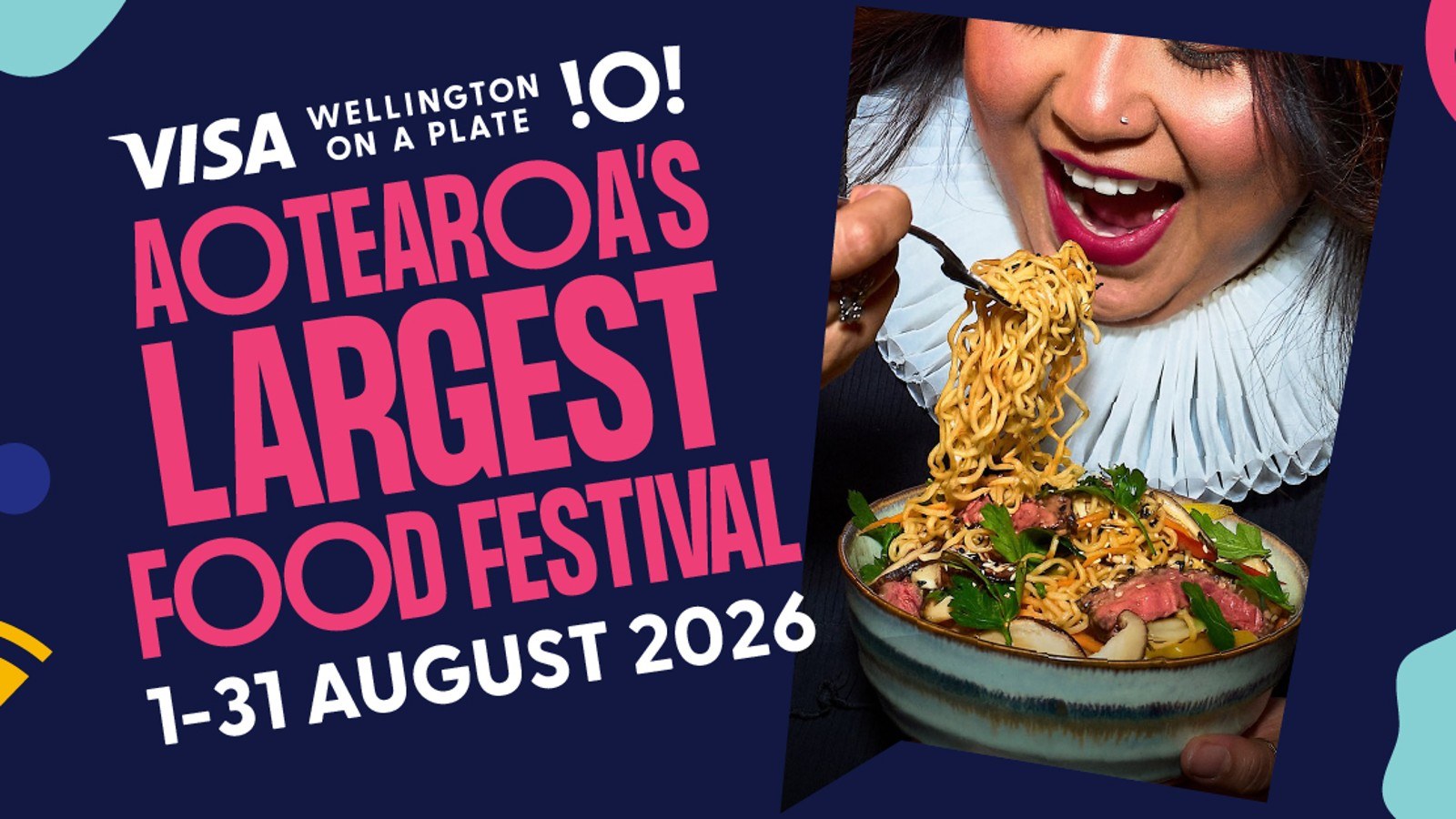
August is giving New Zealand hospitality operators a much-needed winter lift, with major food and drink events running through one of the quieter trading periods of the year. AccomNews reported this week that Restaurant Month in Auckland, Visa Wellington On a Plate and Beervana in the capital are expected to support hospitality businesses during August.
The food and drink angle is not just about diners getting more menu choices. Winter can be tough for restaurants, bars, cafes, hotels and accommodation operators. Shorter days, colder weather and household budget pressure can reduce discretionary spending. A strong event calendar gives people a reason to book, travel, stay later and spend locally.
Visa Wellington On a Plate is already under way, with its official site promoting the capital's month-long festival programme. The event usually spreads attention across restaurants, pop-ups, burgers, drinks and special collaborations, which is valuable because it turns hospitality into a city-wide cultural offering rather than a single meal decision.
Beervana adds another layer later in the month, bringing beer producers, food vendors and visitors into Wellington for a focused festival. That matters for craft brewers and hospitality venues because beer events can create discovery. People try producers they do not usually see, meet the people behind the product and often carry those choices back into retail or future bar visits.
Auckland Restaurant Month gives the country's largest city its own winter hospitality push. The value of these programmes is partly promotional, but it is also operational. A set menu, event dish or timed promotion can help a venue forecast demand, manage staffing and introduce diners to a restaurant they might not otherwise choose.
The wider visitor economy benefits when food events overlap with accommodation and transport demand. A couple travelling to Wellington for a festival dinner may also book a hotel, visit a gallery, buy coffee the next morning and use taxis or public transport. That spillover is why food festivals are part of economic development as well as hospitality marketing.
Operators still face pressure. Food costs, wages, rent, rates, insurance, energy and card fees all shape whether a busy night actually becomes a profitable one. Events can fill seats, but they do not automatically fix margins. The strongest results come when festivals bring new customers without forcing venues into discounts that weaken the bottom line.
There is also a quality issue. Food festivals work best when they showcase real cooking, local producers and hospitality craft, not only gimmicks. Diners are more likely to return after an event if the experience feels generous, efficient and connected to the venue's normal strengths.
For the public, August is a good month to use hospitality deliberately. Booking local restaurants, trying festival dishes and supporting bars or producers can help businesses through winter. For the sector, the month is a test of whether events can turn cold-season caution into useful trade.
The best outcome is repeat custom. A festival booking helps one night, but a diner who discovers a venue and comes back in September is more valuable. That is why service, timing and value still matter even when an event is doing the marketing work.