Temporary shellfish closures across parts of the Hauraki Gulf will pause gathering from Waiheke Island to Kawau Island and Mahurangi, putting food collection, customary practice and marine recovery into the same public conversation. The Government says the closures are aimed at protecting vital habitats and giving pressured shellfish beds room to rebuild.
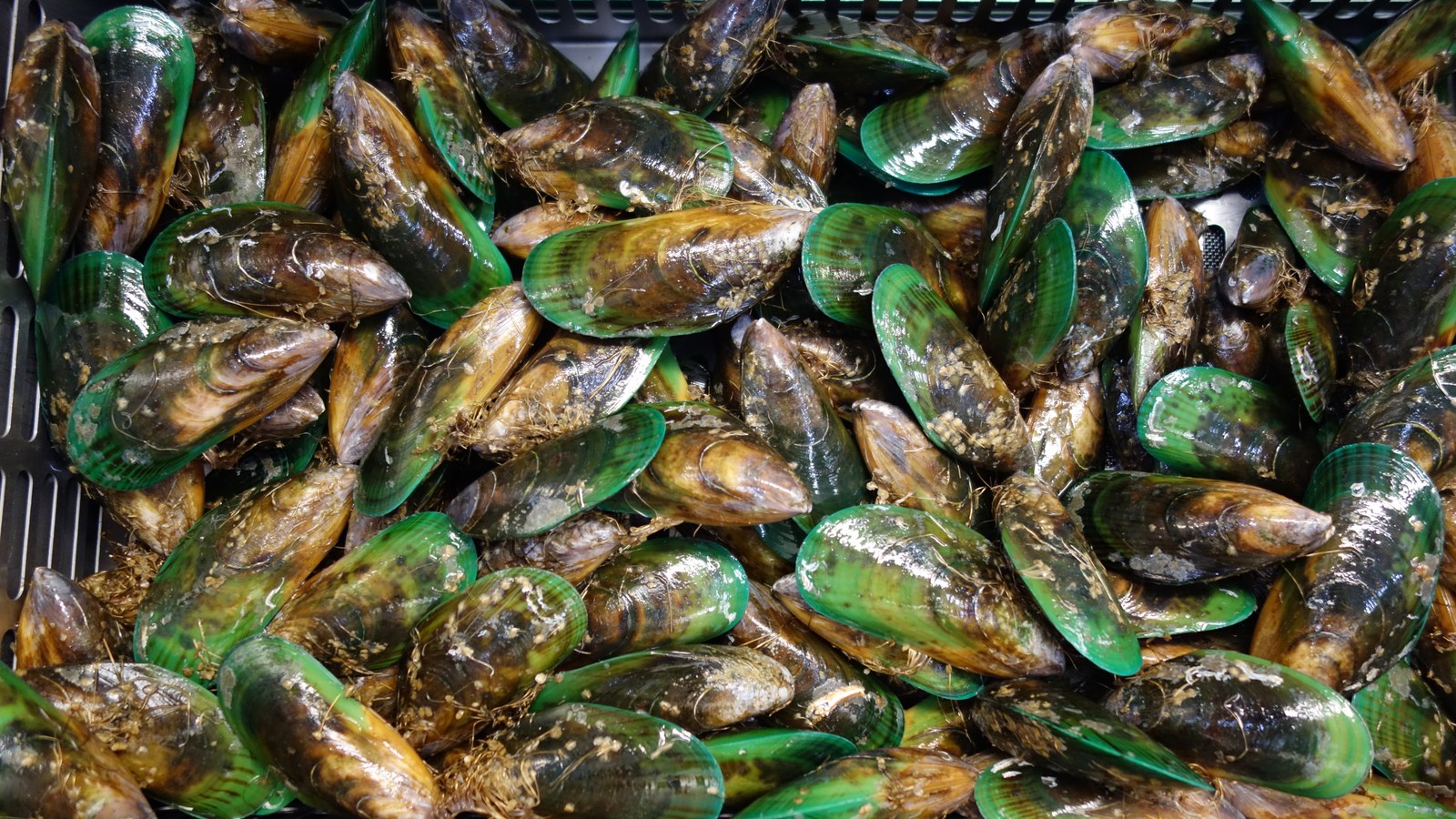
The food-and-drink impact is immediate because shellfish gathering is not an abstract fisheries issue in Auckland and the upper North Island. It is a weekend activity, a family tradition, a way to share food and a visible connection between coastal communities and the sea. When cockles, pipi, mussels or pāua become depleted, the loss is felt in kitchens as well as ecosystems.
Official consultation material has described proposed temporary fishery closures in the Hauraki Gulf, including areas associated with Waiheke, Kawau and Mahurangi. Temporary closures are a blunt but familiar tool: stop harvesting for a defined period so local stocks and habitats have a chance to recover from cumulative pressure.
That pressure can come from several directions. Recreational gathering can be intense in accessible coastal areas, especially near large populations. Environmental stress, sediment, habitat change and wider marine pressures can also affect shellfish health. A closure does not solve every cause, but it can reduce direct take while agencies, iwi, communities and scientists consider longer-term management.
For gatherers, the main message is practical. People need to check current rules before collecting shellfish, because local restrictions can differ from general daily limits. A beach that was open in a previous season may not be open now. Taking shellfish from a closed area can undermine recovery and expose gatherers to penalties.
There is also a public trust issue. Fishery closures work best when people understand why they exist and can see credible monitoring. If communities believe closures are arbitrary, compliance becomes harder. If they see evidence that beds are depleted and that recovery is being tracked, temporary restrictions are easier to accept.
Food culture depends on healthy sources. Restaurants can buy commercially supplied seafood, but many New Zealanders still value the act of gathering kai moana with family and friends. The long-term goal should be that children can learn those practices in places where shellfish are abundant enough to support them. That goal sometimes requires short-term limits.
The closures also remind urban residents that the Hauraki Gulf is not just scenery beside expensive property. It is a living food system under pressure from the choices made on land and at sea. Wastewater, runoff, boat activity, harvesting and climate stress all sit behind the plate.
For now, the safest advice is simple: check official temporary closure information before heading out, respect closed areas, and treat shellfish recovery as part of the region's food future. A full bucket today is not worth an empty shore tomorrow.
Local seafood shops and restaurants also benefit when the public understands the difference between regulated commercial supply and recreational gathering. A closure on taking shellfish from a local shore does not automatically mean all shellfish are unsafe or unavailable. Clear communication helps people follow the rule without spreading confusion through the wider food market.