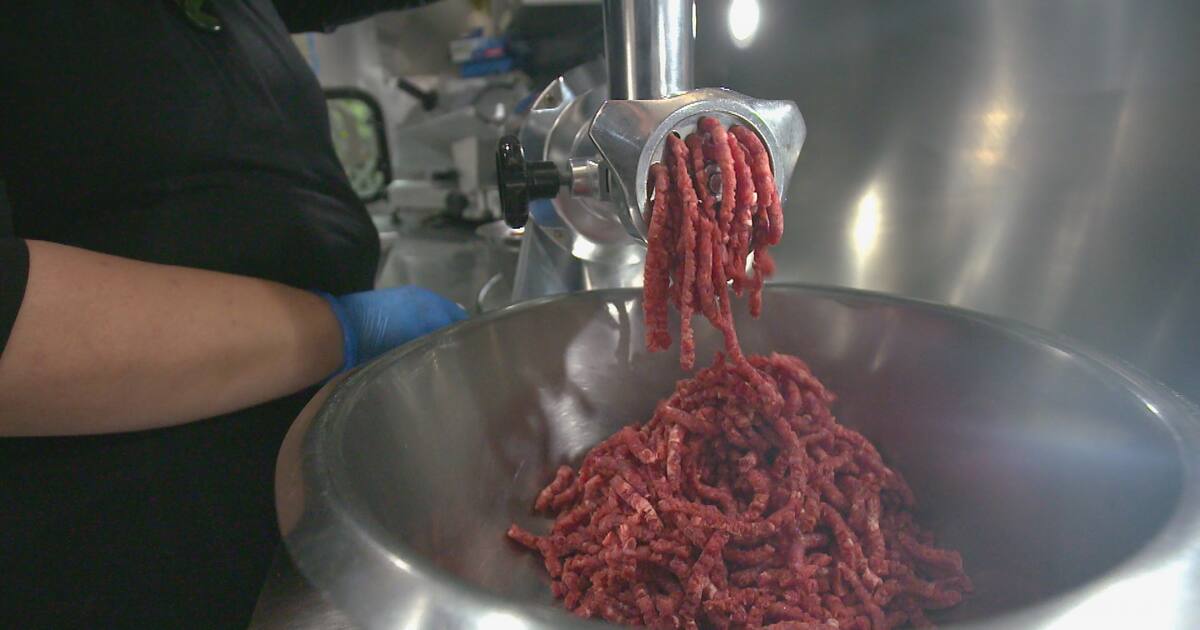
A food investigation in Australia has raised concern for New Zealand consumers, with 1News reporting that local consumer advocates see cause for scrutiny here as well. The issue belongs in Food & Drink because it goes directly to shopper trust: people need to know that imported and locally sold products are safe, labelled honestly and removed quickly when problems are found.
The important point is not to assume that an Australian case automatically means the same risk is present in every New Zealand pantry. Cross-border food systems are complicated. Products, suppliers, batches, importers and retailers can differ. But Australia and New Zealand share many brands, supply chains and consumer habits, so a serious finding across the Tasman should prompt careful local checking rather than passive reassurance.
Consumer NZ's role is significant because food safety can be difficult for ordinary shoppers to assess. People can check expiry dates, packaging damage and recall notices, but they cannot test for every contamination risk at home. That creates a trust chain running from producer to importer, regulator, retailer and finally the person putting food on the table.
New Zealand Food Safety and the Ministry for Primary Industries provide recall and complaint systems for products that may present a risk. Those systems matter most when they are visible and timely. A recall that sits unnoticed on a website is less effective than one that reaches shoppers through supermarkets, media, apps, email lists and clear in-store notices. The public should not have to become investigators to find out whether a product is affected.
For households, the practical advice is to stay alert without panic. Check recall pages when a food-safety story breaks, keep packaging until high-risk items are used, and contact the retailer or manufacturer if a product looks, smells or behaves unusually. People with allergies, young children, older relatives or immune-compromised household members should be especially cautious because the consequences of contamination or mislabelling can be more severe.
Retailers also have a responsibility to treat transparency as part of service. If customers hear about an Australian investigation and ask whether products here are affected, staff need accurate information. Vague answers can quickly damage trust. Clear signage and consistent online updates are faster and cheaper than confusion.
The broader food-and-drink industry should see the story as a reminder that supply-chain assurance is not background compliance. It is part of brand value. Consumers are willing to try new products and imported foods when they trust the system around them. If that trust weakens, shoppers become cautious and may shift to brands they perceive as safer or more accountable.
The Australian investigation has therefore done something useful for New Zealand even before any local conclusion is reached. It has put a spotlight on how quickly concerns travel across shared markets. The safest response is evidence, not assumption: check the products, publish clear guidance, update recalls promptly and make sure shoppers can act on the information before food reaches the plate.
Shoppers should also avoid spreading unverified brand lists on social media. False alarms can harm businesses and confuse consumers, while accurate official recall details let people check batch numbers and act quickly.