New Zealand International Film Festival is about to move from programme planning to audience nights, with the Auckland season scheduled from 29 July to 9 August 2026 and Big Girls Don't Cry announced as the opening night film.
The festival's own Auckland page lists the 2026 Auckland dates, while its festival FAQ sets out the wider national run from 29 July to 9 September across Auckland, Christchurch, Wellington, Dunedin, Hamilton, Tauranga, Napier, New Plymouth, Masterton, Matakana and Nelson. Auckland tourism listings also describe the festival as returning from 29 July to 9 August, with venues including The Civic, Rialto Newmarket, Hollywood Avondale, Bridgeway Cinema, Academy Cinemas, The Lido and SkyCity Theatre.
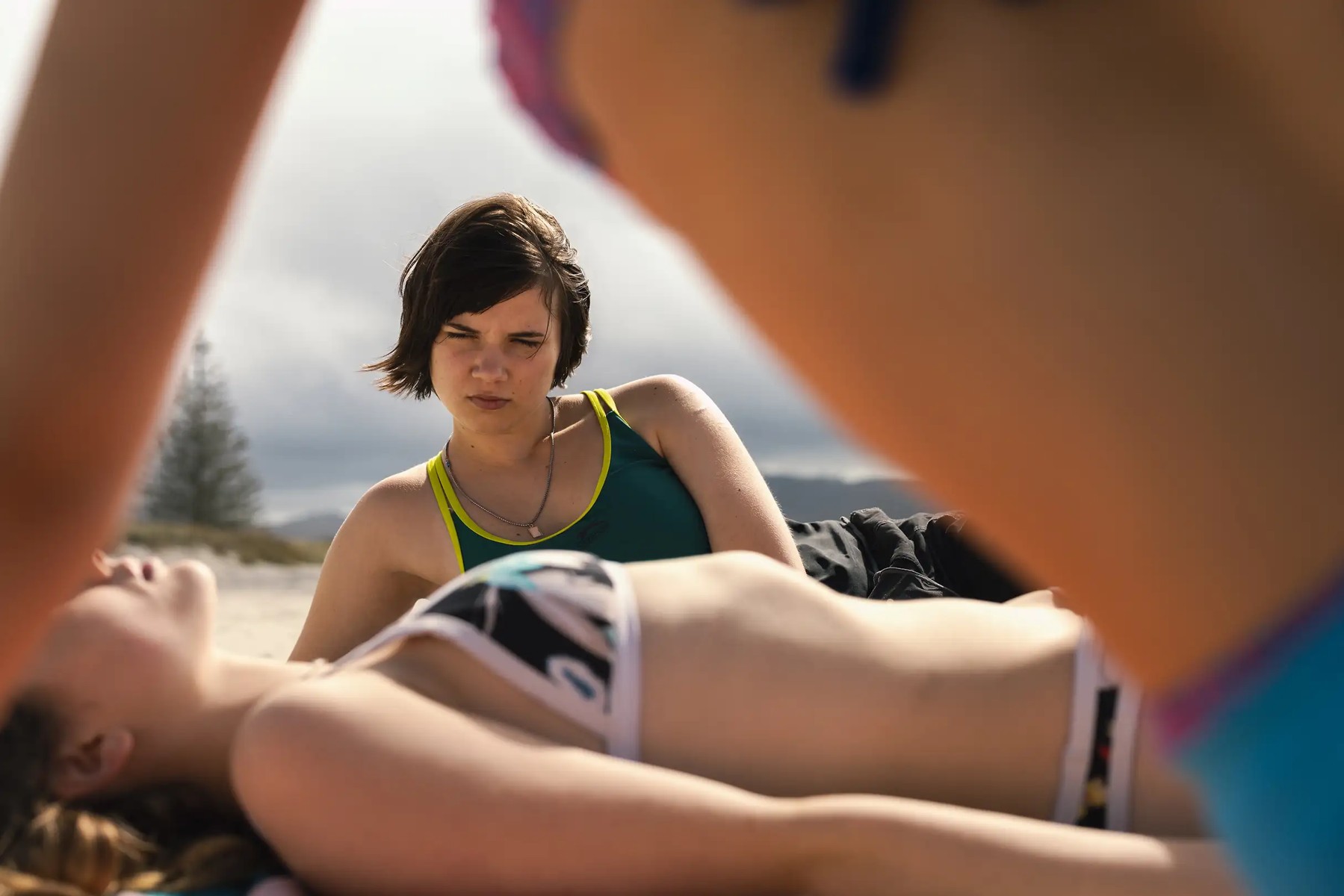
The opening-night film gives the season a local production focus. NZIFF has announced Big Girls Don't Cry for the Auckland opening night, with the film before a broader national schedule. The festival notice identifies Wellington-based producers Vicky Pope and Thomas Coppell and says Dame Jane Campion and Philippa Campbell are among the executive producers. Those details make the opening a New Zealand screen-sector story as well as an event listing.
For Auckland audiences, the practical event significance is scale. A festival spread across multiple cinemas can reach different parts of the city and different audience habits. Some people plan around premieres and guest events; others build a personal schedule of documentaries, international features, restorations or local films. The multi-venue model lets the festival operate as a citywide cultural calendar rather than a single-location programme.
For filmmakers, distributors and screen workers, the festival is also a market signal. Selection, opening-night placement and audience response can affect how a film is discussed after the festival ends. It can create momentum for local productions and give New Zealand audiences access to international work that may not otherwise receive a large commercial release.
The timing matters because the Auckland opening is imminent. Readers who want to attend should check the official NZIFF schedule for session times, classifications, ticket availability and any guest appearances, because those details can change. The safest public article should not invent a session time or availability beyond what the official sources confirm.
The broader national schedule also gives readers outside Auckland a reason to keep the festival in view. Christchurch, Wellington, Dunedin and several regional centres follow across August and early September, meaning the Auckland opening is the first step in a countrywide film event rather than an isolated city story.
Today's event article is therefore straightforward: NZIFF Auckland starts on 29 July, runs to 9 August, uses multiple city venues, and opens with Big Girls Don't Cry. The source-backed angle is clear, current and useful for readers planning cultural activity this week.
It also gives Auckland a winter arts anchor at a time when city-centre hospitality and evening transport depend on people having reasons to stay out after work.
The safest recommendation is to use the official festival programme as the booking source. It holds the live details that matter most: venues, film classifications, start times, accessibility information and any late schedule changes.