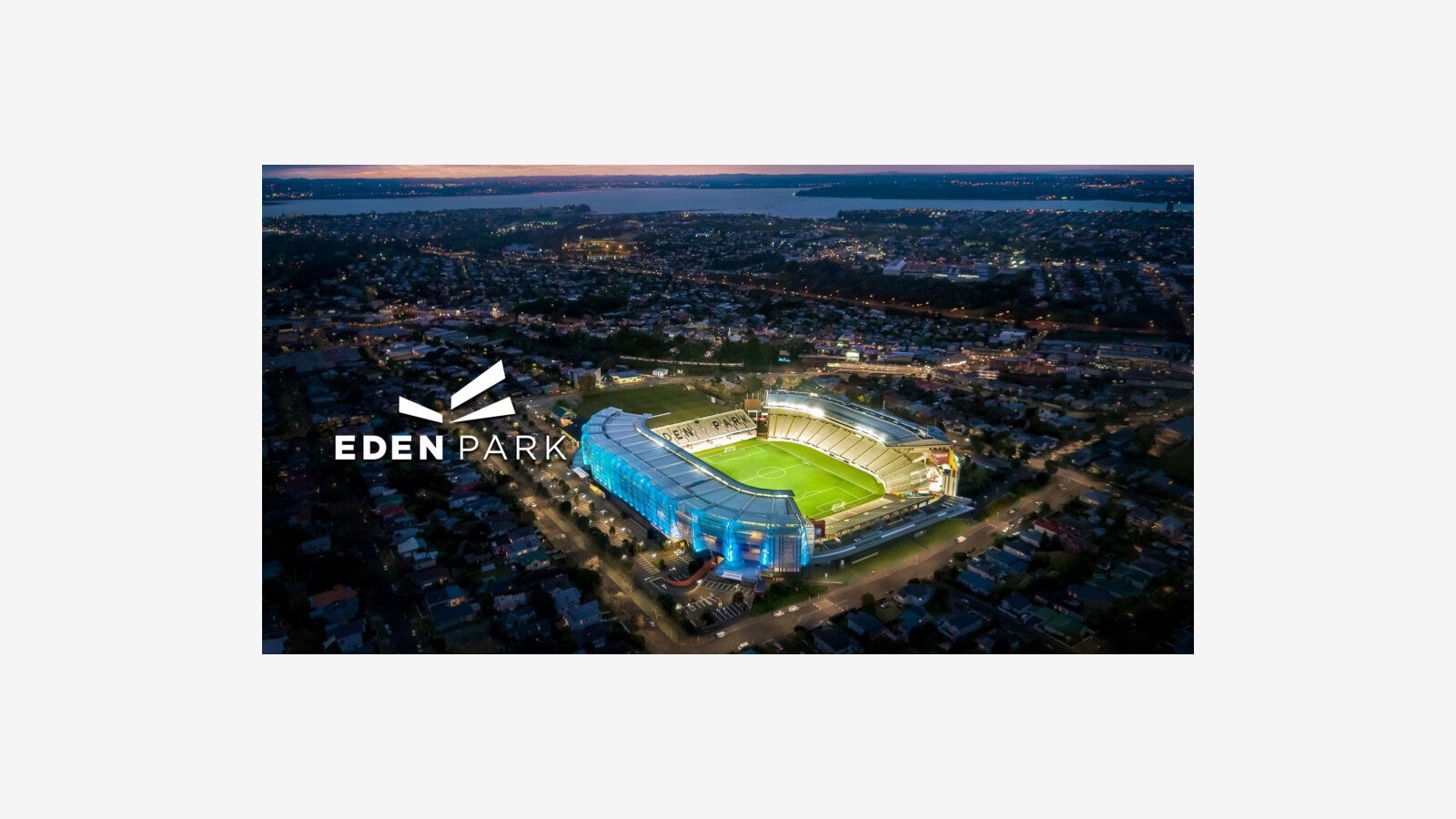
Eden Park has used a 4 August perspective piece to argue that major events can keep Auckland visible beyond the day of a match, concert or conference. The venue summarised the article under the title "The halo effect of major events" and linked it to discussion at the New Zealand Events Association conference.
The piece opens from the phrase "It's on in Auckland", a theme discussed by Annie Dundas from Tataki Auckland Unlimited at an event attended by Eden Park chief executive Nick Sautner. The phrase is simple, but the events-sector message behind it is larger: cities need a steady calendar of visible occasions if they want people to feel that public life is active, confident and worth joining.
For Auckland, major events carry several layers of value. Ticket sales and hospitality spending are the obvious ones. Visitors book accommodation, buy food and drink, use transport, visit attractions and sometimes extend a trip beyond the event itself. But the softer effect can be just as important. A city that looks busy and capable on event days can strengthen its brand with residents, domestic visitors and international audiences.
Eden Park's recent public writing has also argued for long-term thinking around major-event funding. On 28 July, the venue noted that more than 40,000 football fans came through the gates for Tottenham Hotspur's match against Auckland FC, setting a record crowd for a senior men's football match in New Zealand. That example gives the halo-effect argument a practical anchor.
The events calendar is not only about stadium sport. Concerts, cultural festivals, conferences, theatre seasons, food events and community celebrations all contribute to a city's rhythm. The New Zealand Events Association's Event Exchange took place at NZICC on 4 August, creating another link between the professional events sector and Auckland's wider visitor economy.
The challenge is that event benefits are uneven unless the city plans around them. Transport needs to work. Nearby businesses need enough notice to staff properly. Accommodation pricing needs to support visitors without creating frustration. Public safety, accessibility and information must be clear. A major event can generate pride, but poor logistics can turn that same crowd into a complaint.
There is also a competition issue. Cities across Australia, Asia and the Pacific are trying to attract the same touring artists, sports fixtures and business events. Auckland needs credible venues, airport connectivity, hotel capacity, funding certainty and promotion if it wants to keep winning events that cut through.
Local residents have a stake in the debate too. Ratepayers often ask whether major-event investment is worth it. The answer should not rely on vague excitement. It should be measured through visitor spend, media reach, repeat visitation, community access, local supplier use and whether events help build a more active city calendar.
Eden Park's halo-effect argument is strongest when treated as a call for discipline, not boosterism. Major events can make Auckland more visible and lively, but only when venues, promoters, councils, transport agencies and local businesses plan together. The point is not just to host a big day. It is to make sure the city gains from the attention after the lights go down.