The New Zealand International Film Festival is in full swing in Auckland, with AucklandNZ listing the 2026 programme as running from 29 July to 9 August and featuring more than 130 films from 55 countries. The festival's own Auckland page also points to late additions, special guests and focus events across the city schedule.
That scale makes NZIFF more than a run of cinema listings. A 130-film programme gives Auckland audiences a short window to see documentaries, restored classics, festival-circuit features, local work and films that may not return to mainstream screens. For many viewers, the festival is the only realistic chance to see some of these titles in a cinema with an audience.
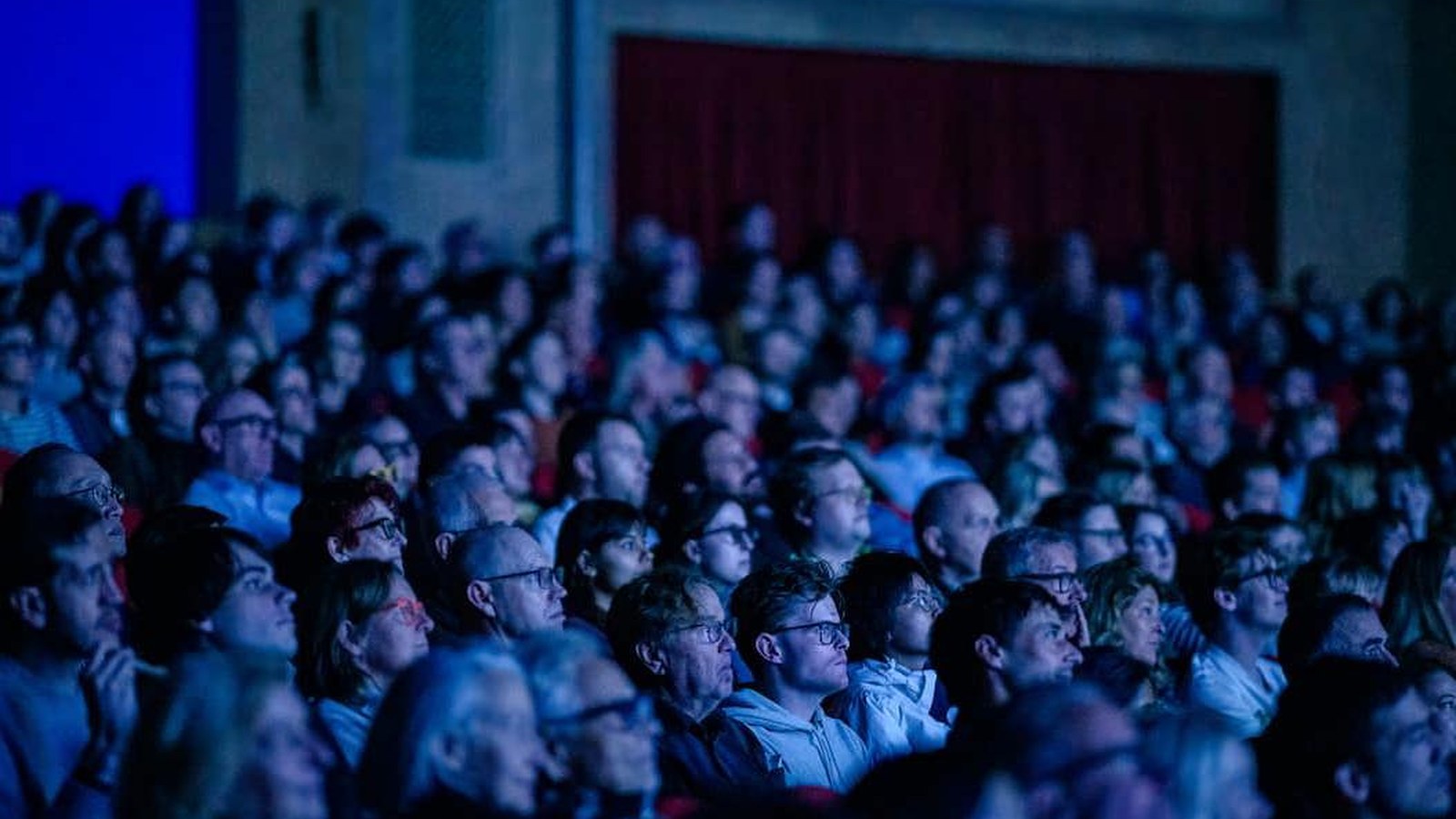
Auckland Live's listing places screenings at The Civic and highlights tickets, multipass planning and the role of the festival in bringing film fans into the central city. The Civic matters because venue atmosphere is part of the NZIFF experience. A film that might be easy to ignore on a streaming menu can feel different when watched in a full theatre with people who chose to be there.
The programme also supports the local screen sector. Visiting filmmakers, audience questions, industry conversations and focus weekends create contact points between viewers and creators. A festival can help a local film find champions, but it can also help younger writers, directors, editors and producers understand what is being made elsewhere and how audiences respond.
NZIFF's Auckland season arrives during a busy winter events period, which makes curation important. Audiences are juggling sport, food festivals, concerts and household budgets. A large programme can be exciting, but it can also be overwhelming. Clear recommendations, schedule tools and word-of-mouth become part of the event's infrastructure.
The festival's late additions show why audiences should keep checking the schedule rather than treating the first programme release as final. New films can arrive because rights, print availability or international timing shifts. For regular festivalgoers, that uncertainty is part of the habit: build an initial list, leave room for surprises, and listen to what other viewers are talking about after early screenings.
Accessibility and pricing also matter. Multipasses can help committed viewers, but festivals need casual audiences too. A healthy film culture is not built only around people who already know the directors' names. It also needs people willing to take a chance on one documentary, one local premiere or one film from a country whose cinema they rarely encounter.
For central Auckland, NZIFF can bring useful foot traffic into the city at night. Restaurants, bars, parking providers and public transport all feel the difference when people have a reason to stay after work or travel in on weekends. Cultural events do not exist separately from the city's everyday economy.
The event headline is simple: Auckland has a large, time-limited film programme on screen now. The smarter move for audiences is to choose early, book the films that will hurt to miss, and leave enough space for the unexpected recommendation that becomes the festival memory.
For organisers, that kind of audience habit is the point: NZIFF is strongest when it turns cinema-going into a citywide conversation.