
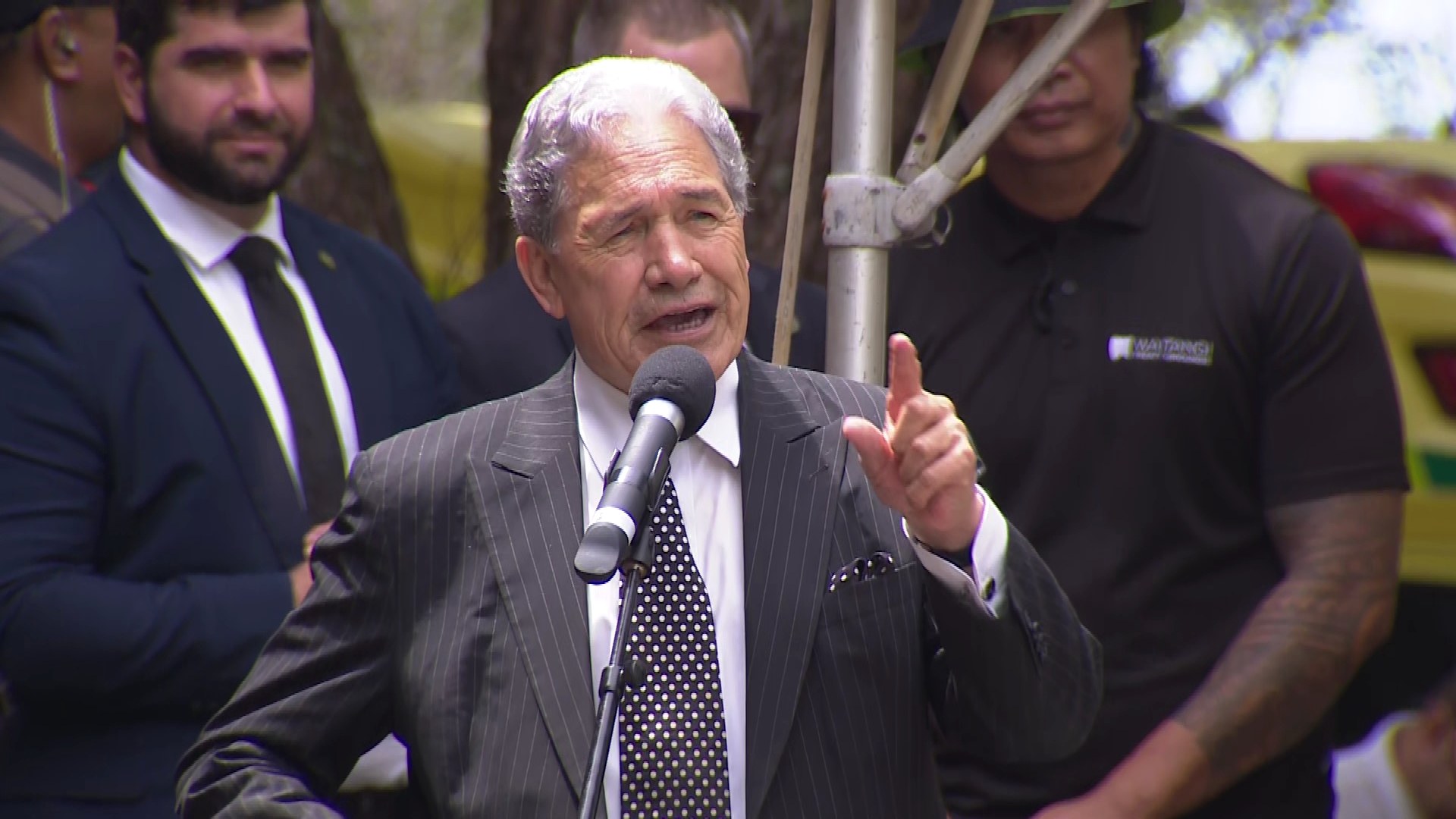
New Zealand First has put the Waitangi Tribunal at the centre of the election debate, saying it would move within the first 100 days of a new government to abolish the Tribunal and replace it with a Treaty of Waitangi Completion Commission.
The party says the proposed new body would finalise claims lodged before 2008, after which its work would be finished. It also argues contemporary claims, modern policy disputes and post-settlement leadership matters should sit with the Ministry of Maori Development rather than the Tribunal.
The announcement is a major campaign signal because Treaty institutions are not ordinary administrative machinery. The Waitangi Tribunal has shaped public understanding of Crown obligations, historical breaches, settlements, Maori land issues and contemporary policy disputes. Replacing it would change both the symbolism and the process of Treaty work.
Supporters are likely to hear a promise of closure, narrower institutions and a stronger role for elected government. Critics are likely to see a risk that unfinished grievances, contemporary rights questions and Crown accountability would be forced into a political timetable.
The practical detail will matter. If a Completion Commission were created, voters would need to know who appoints it, what powers it has, how it handles evidence, whether claimants can challenge decisions, and what happens to urgent contemporary issues. A slogan about completion is not the same as a workable legal process.