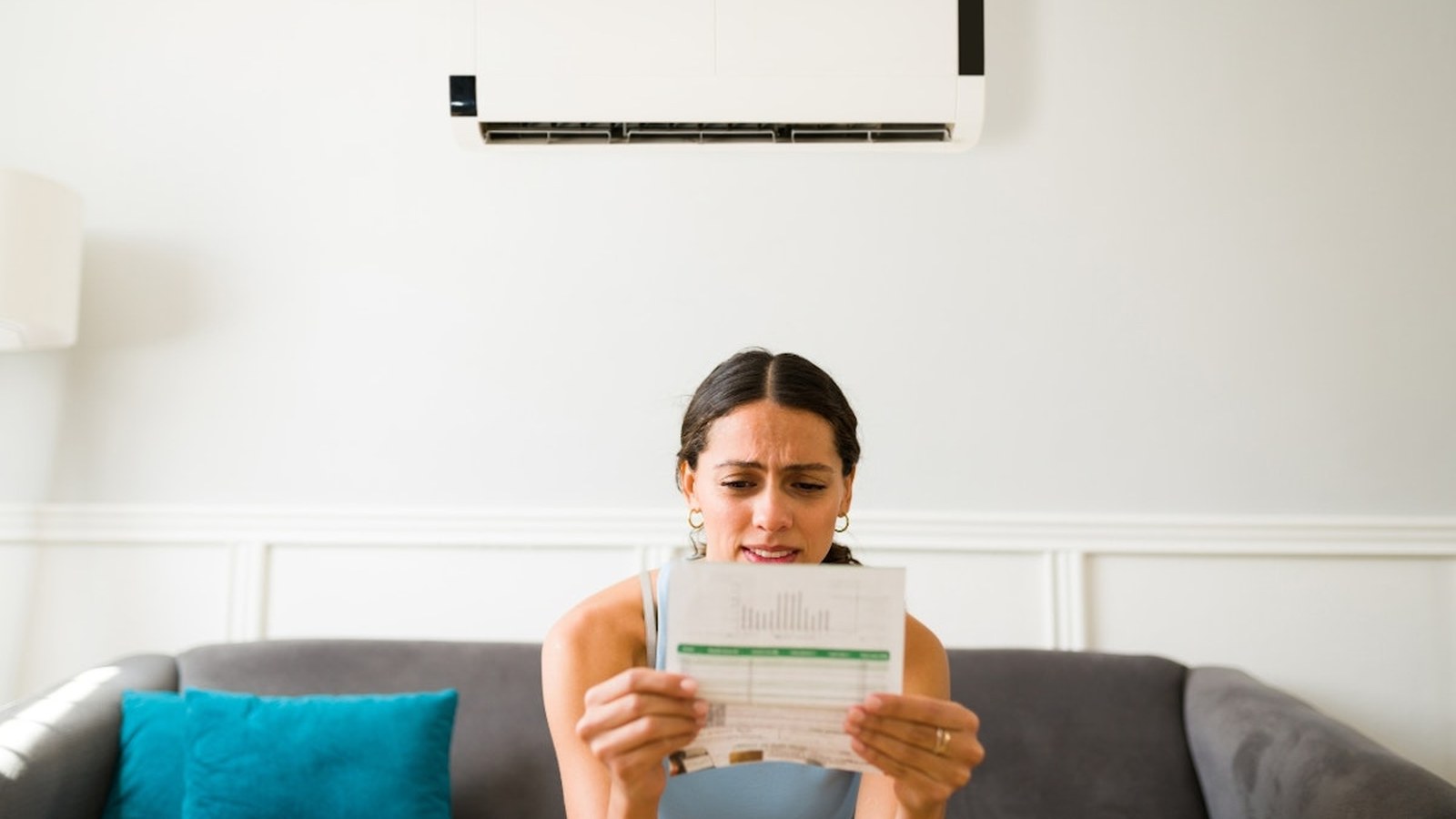
Consumer NZ's winter power research has put a practical household habit under scrutiny: staying with the same electricity provider for years without checking whether the deal still stacks up. Consumer NZ says more than a million households may be paying too much for power, and that half the nation's households have stayed loyal to their provider for at least five years.
The lifestyle relevance is immediate. Power is not an abstract market cost when winter bills arrive. It affects heating choices, drying clothes, cooking, medical devices, study routines and whether families feel comfortable at home. A household that is overpaying by hundreds of dollars a year may not experience that as one dramatic bill. It often arrives as a steady pressure that limits other choices.
Consumer NZ's broader campaign has also said electricity prices have surged 20 percent in two years. That figure explains why switching advice is landing with more urgency. In a low-cost environment, loyalty may feel harmless. In a high-cost environment, not comparing plans becomes a real budget decision.
The difficulty is that power plans can be confusing. Daily charges, unit rates, prompt-payment discounts, bundled broadband deals, time-of-use pricing and contract terms make comparison harder than it should be. Some households also avoid switching because they worry about disruption, credit checks or choosing the wrong plan. Others assume a long-term provider will look after them automatically.
That assumption is risky. Retail energy markets often reward active shoppers more than loyal customers. A household that reviews its plan every year may capture a better rate, while a passive customer can drift onto terms that are no longer competitive. The same pattern appears in insurance, phone plans and mortgages, but electricity has a sharper winter impact because it touches health and comfort.
Consumer NZ's message should not be read as blaming households. Many people are time-poor, and some face language, digital or financial barriers to comparing providers. The stronger point is that the market should be easier to navigate, and retailers should not rely on customer inertia. Clear bills, transparent pricing and simple comparison tools matter.
For renters, the issue can be even more complicated. Older homes, poor insulation, inefficient heaters and limited control over appliances can push power use higher regardless of the retail plan. Switching provider may help, but it does not fix a cold, damp house. That is why lifestyle advice has to connect personal action with housing quality and policy settings.
The practical steps remain worthwhile. Households can check their annual usage, compare plans using a trusted tool, ask their current provider for a better offer, and consider whether time-of-use pricing matches their routine. People with medical or financial vulnerability should also check what support, payment plans or protections are available before bills become unmanageable.
Winter is a good time to make the comparison because the cost is visible. Consumer NZ's research turns a familiar household chore into a money-saving opportunity: do not assume loyalty is being rewarded. Check the plan, check the rate, and make the retailer earn the next year of your business.