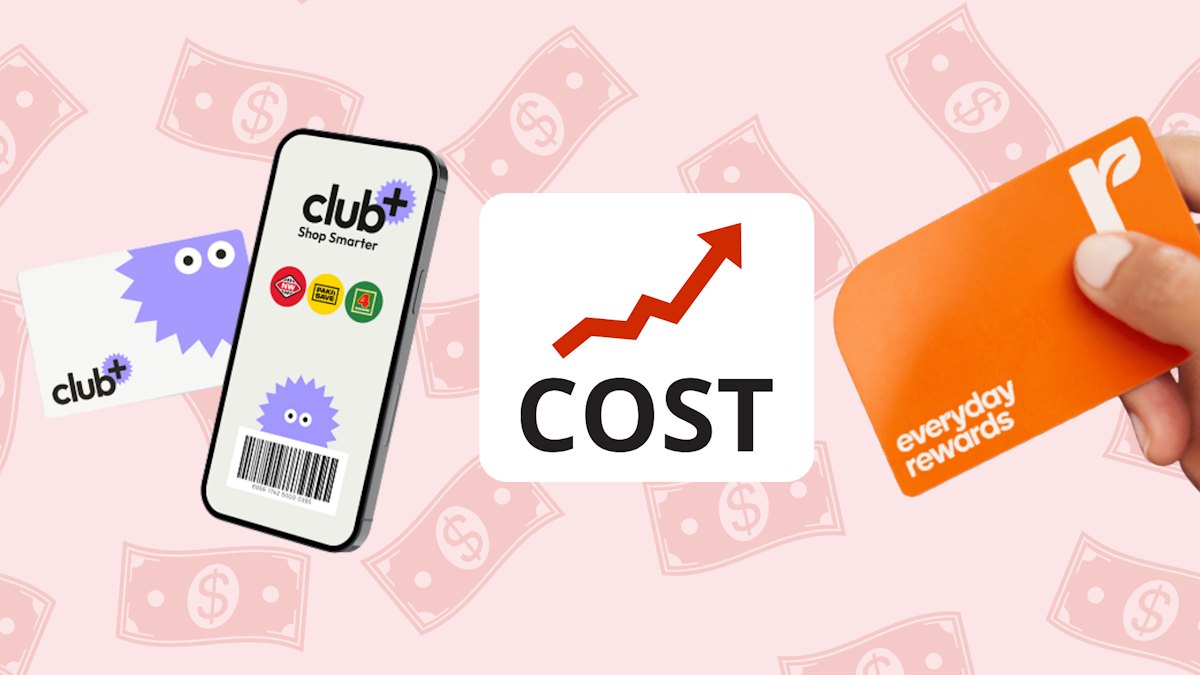
Consumer NZ's warning about supermarket loyalty data has turned an everyday shopping habit into a broader lifestyle issue: whether households are really saving money, or simply trading personal data for prices that become harder to compare.
The consumer organisation's 29 June release says supermarket loyalty cards may look like the best way to get a bargain, but could ultimately lead to higher checkout prices. Consumer NZ says the problem is not only the discount label. It is the amount of shopping data that loyalty schemes can collect, and the possibility that retailers could use that data to shape offers, segment customers or move toward more personalised pricing.
That concern lands in a household environment where grocery costs remain politically and personally sensitive. A family doing a weekly shop does not experience pricing as an abstract competition problem. It experiences it as a series of decisions about meat, fruit, school lunches, pet food, cleaning products and whether a branded item can be swapped for something cheaper. If the cheapest shelf price is only available through a card or app, then the real cost of opting out becomes harder to see.
Consumer NZ's framing is useful because it shifts attention from "discounts are good" to "discounts need to be understandable and fair." A loyalty card can genuinely save money for some shoppers, especially when the offer is transparent and easy to compare. But it can also disadvantage people who do not have a smartphone, do not want to share data, cannot navigate an app, shop for someone else or do not have enough time to chase personalised promotions.
The issue is also connected to the Fair Trading Amendment Bill, which Parliament describes as an update to New Zealand's core consumer law framework. The bill's public material says it seeks to strengthen and update the principal Act, including changes to penalties and enforcement. This article does not claim the bill already resolves loyalty pricing. It notes that the same period has put consumer-law reform and supermarket data concerns into public view.
For households, the practical response is to keep comparing the actual final price. A yellow sticker, member-only tag or app coupon should not replace the habit of checking unit prices and comparing the total basket. Shoppers should also think about what data they are handing over and whether the benefit is meaningful enough to justify it.
For retailers, the message is that trust can be lost quickly when pricing feels too clever. If a supermarket can only explain a discount through an app, data profile or special condition, many customers will suspect the offer is designed to confuse rather than help. Clear pricing is not only a compliance matter. It is part of the relationship between the retailer and the household.
The safest current lifestyle takeaway is measured. Loyalty schemes are not automatically harmful, and many shoppers will keep using them. But Consumer NZ's warning gives households a reason to treat loyalty discounts as something to test, not something to trust on sight.