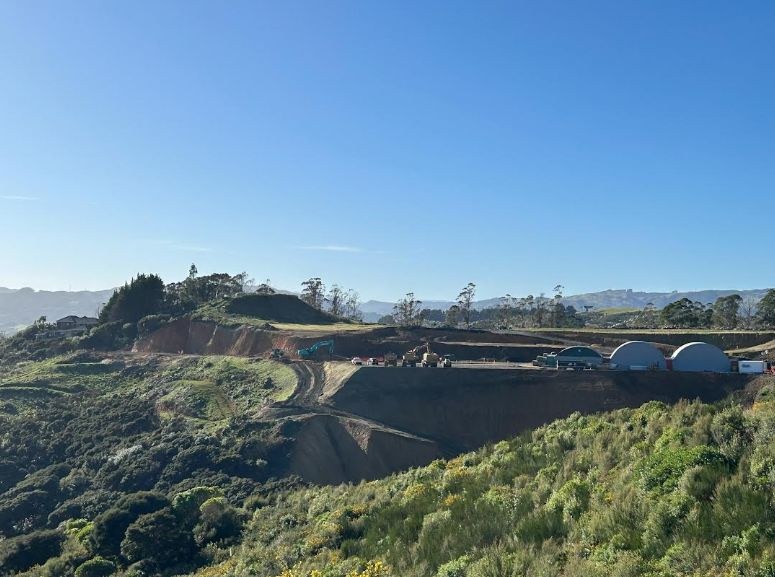
RMA Reform Minister Chris Bishop has opened consultation on Wellington heritage planning provisions linked to five sites, putting housing capacity, redevelopment and heritage protection into direct tension. The investigation report followed a request from Wellington City Council for the minister to consider regulation-making powers under the Resource Management Act.
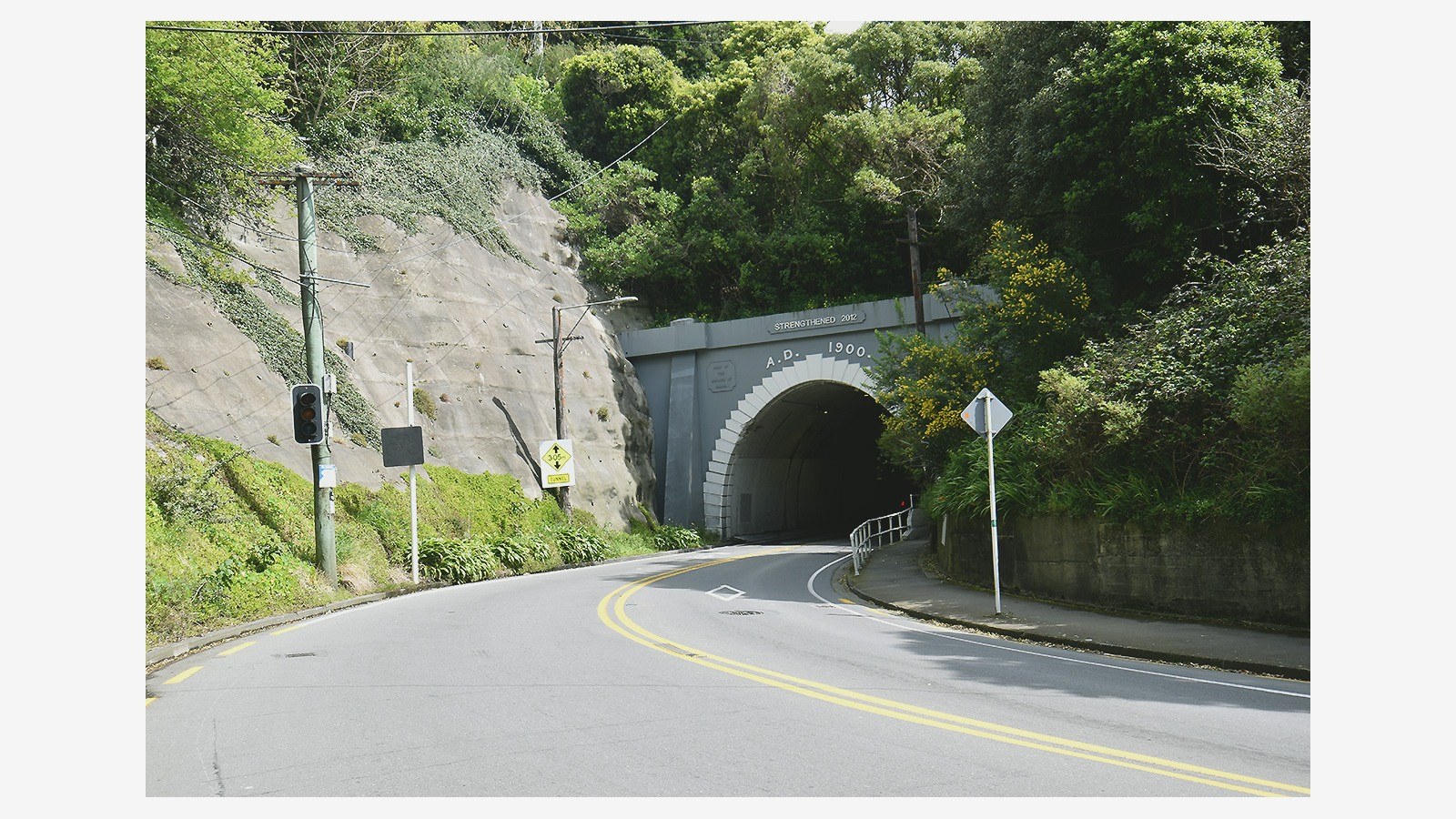
The sites named include the Courtenay Place Heritage Area, Karori Tunnel, Kelburn Viaduct, the former General Headquarters Building at the corner of Taranaki Street and Buckle Street, and the Miramar Installation Bulk Storage Tank at 139 Park Road. Public consultation opens on 5 August for 10 days, after affected parties were invited to provide feedback.
Bishop said the investigation found some heritage provisions were having negative impacts on economic growth and employment. The report estimates that modifying or removing relevant controls could enable around 770 additional apartments, generate about $280 million in construction activity and support around 300 jobs through commercial redevelopment, including film studio facilities.
Those figures make the issue more than a technical planning exercise. Wellington's property market is shaped by land constraints, ageing infrastructure, earthquake risk, heritage rules, office vacancies, housing affordability and a central-city economy that still needs stronger foot traffic. Any change that could enable hundreds of apartments will attract attention from developers, residents, heritage advocates and renters.
Heritage protection exists for good reasons. Buildings, tunnels, bridges and industrial structures can hold public memory, engineering history and character that a city cannot easily rebuild once it is gone. Karori Tunnel, for example, is described by Heritage New Zealand as Wellington's oldest road tunnel and a principal access route to Karori. The former GHQ building and Miramar tank also carry specific historical associations.
The harder question is how much control is proportionate. A rule that protects a structure from demolition may be easier to defend than a rule that limits nearby height or redevelopment so broadly that housing supply, jobs and city renewal are constrained. The consultation will need to separate genuine heritage value from planning restrictions that may be doing more harm than good.
Property owners and nearby residents will also want certainty. Heritage rules can affect maintenance costs, insurance, sale value, redevelopment options and the ability to adapt old structures to current use. Sudden or unclear changes can create risk for both conservation and investment. That is why the process, not only the outcome, matters.
Wellington's wider housing debate has often been framed as heritage versus density, but the best results may sit between those poles. Cities can protect specific historic features while allowing sensitive additional housing around them. They can also require quality design so that redevelopment improves streets rather than simply adding bulk.
The next step is evidence. The minister will consider feedback from affected parties alongside Wellington City Council's response before deciding whether to recommend regulations. For the property sector, the consultation is a live signal that heritage planning controls are now being judged against housing capacity and economic activity, not only against preservation.