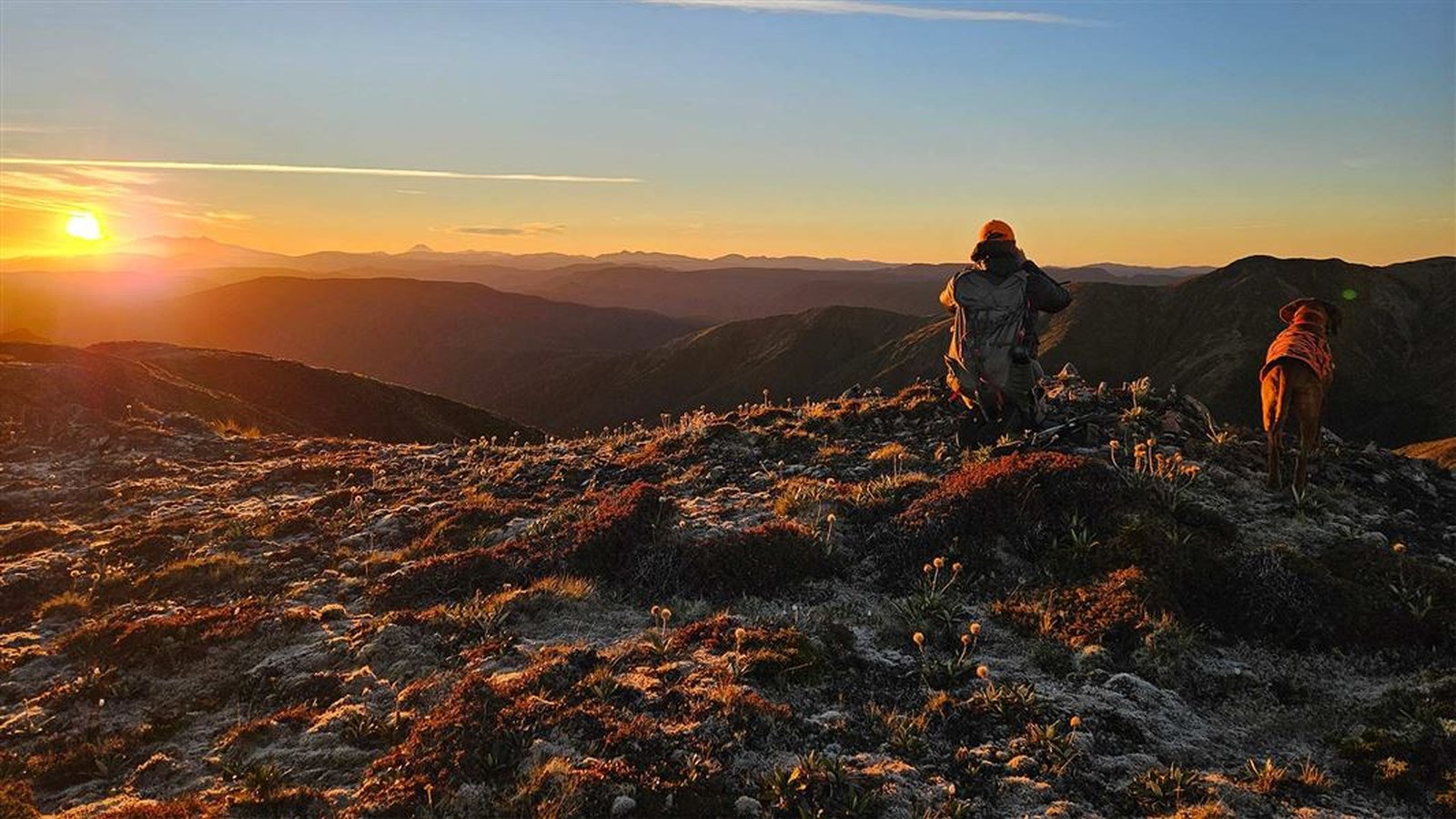
Opinion: The return of the National Wild Goat Hunting Competition is a useful conservation story, but it should be judged by more than the largest headline number. DOC says the 2026 competition runs from 1 August to 26 November, while the ministerial release says the competition has helped remove more than 33,000 wild goats since its launch in 2023.
That number is significant. Wild goats damage native vegetation, compete with other animals and create pressure on farms and conservation land. Encouraging permitted, responsible hunters to help reduce numbers can be practical, especially in areas where agencies and landowners cannot do everything alone. Community participation is a strength when it is organised, lawful and tied to clear ecological goals.
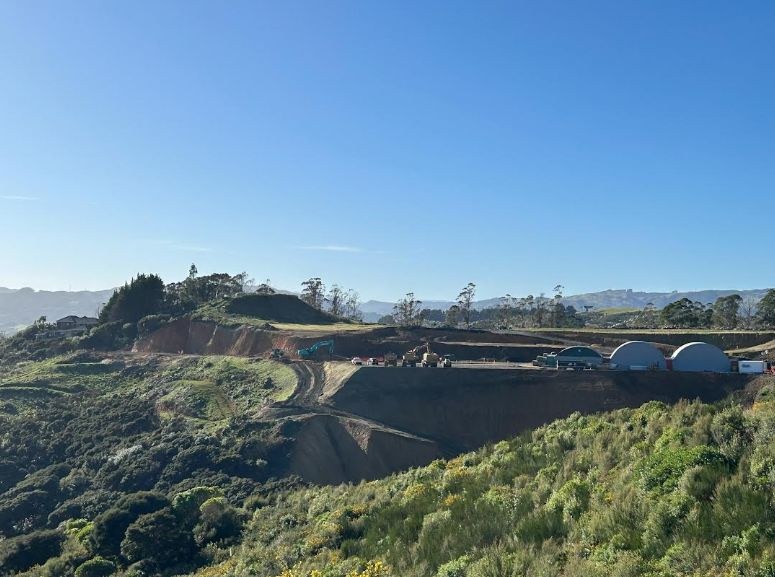
The risk is that a competition can make removal totals sound like the whole measure of success. They are not. A high count is useful only if it reduces pressure in the places where goats are causing the most damage. Removing animals from an easy-access area may be less valuable than targeted control in a sensitive catchment, forest margin or regeneration site. Conservation outcomes depend on where effort lands.
DOC's event information makes the rules clear: hunters must hunt safely, legally and ethically, have the required permits or landowner permission, and take eligible goat heads or tails to official entry locations. That framework matters because public support for hunter-led conservation depends on trust. People need confidence that the activity is regulated, humane, safe and genuinely connected to landscape protection.
Landowners also have a role. The Beehive release says landowners can register interest to support permitted hunting on their land without needing to hunt themselves. That is a sensible bridge between the people who see the damage and the people with the skills to help control it. It also recognises that pest management often sits across public and private boundaries.
The competition can also introduce younger people to outdoor skills, but that should be handled carefully. Safety, supervision, firearms rules, respect for land access and animal welfare should be central, not secondary. If the programme is partly about building the next generation of responsible hunters, then the culture around the hunt is as important as the final tally.
The next step should be better public reporting. Alongside the number of goats removed, DOC and partners should keep explaining which regions benefited, what habitats were protected, whether follow-up monitoring shows vegetation recovery, and where more control is still needed. Clear reporting would make the competition easier to defend and easier to improve.
Critics of hunting will not be convinced by slogans. Supporters of hunting should welcome that scrutiny because it pushes the programme toward measurable conservation value. A competition that can show ecological gains will have a stronger future than one that relies only on participation photos and total removals.
The 2026 wild-goat competition is therefore worth supporting as a practical tool, provided it remains one part of a wider management plan. Big numbers can open the conversation. The real test is whether New Zealand's damaged landscapes are healthier when the season ends.