Consumer NZ's warning about time-of-use power plans should be read as more than a niche electricity shopping guide. It is a reminder that New Zealand keeps asking households to make more complex decisions while giving them information that is often too hard to use.
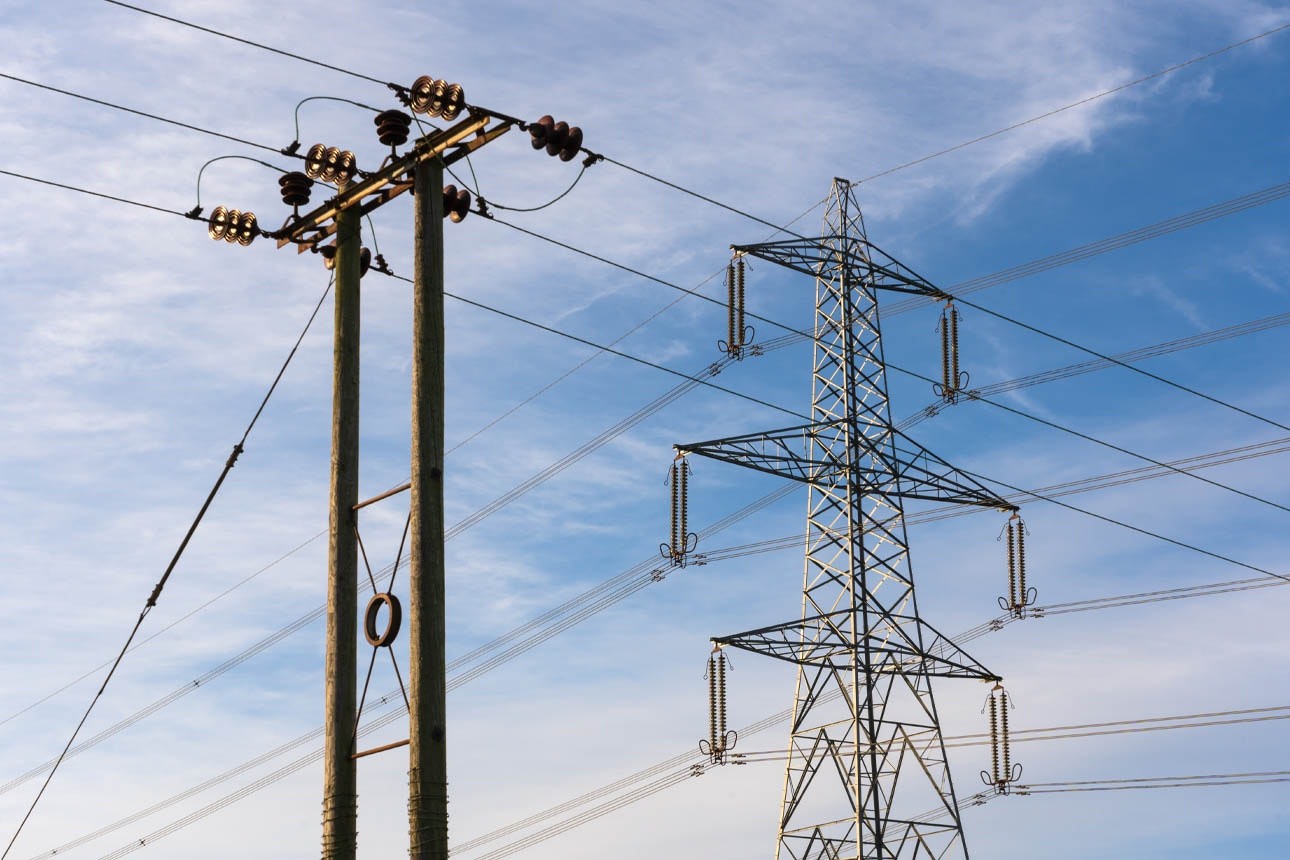
Time-of-use pricing can be sensible. If the network is under pressure at morning and evening peaks, and if some power use can move to quieter times, then price signals can reduce strain and reward flexible households. The problem is that flexibility is unevenly distributed. A household with an electric vehicle, modern appliances and adults who can control their schedule is not in the same position as a family doing school runs, shift work and winter laundry in a cold house.
Consumer NZ's advice is careful because it recognises that a cheaper-looking plan may cost more when peak prices rise and behaviour does not change. That is the heart of the issue. A price signal is only fair if people can understand it and reasonably respond to it. If the signal is buried in tariff tables or sold through headline discounts, the household carries the risk while the retailer gets the sign-up.
This pattern appears beyond power bills. Weather updates, property market data and transport notices all ask people to adjust behaviour based on technical information. WeatherWatch can warn of frosts and later-week rain, but people still need local, practical cues: when to de-ice the car, when to check rural roads, when to protect plants or animals. Cotality can explain a soft property market, but buyers and sellers still need to understand what slow transactions mean for their own timing and finances.
The common thread is not that New Zealand lacks data. It is that too much public information assumes people have time, confidence and spare money to interpret the detail. Many do not. They are making decisions after work, between caregiving tasks, while juggling rent, mortgage payments, power bills, fuel and food.
Better cost signals would be plain, personal and testable. A power company should show what last month's bill would have looked like under the proposed plan. A weather service should keep translating national patterns into local timing. Property commentators should distinguish clearly between a slow market, falling prices and distressed selling. Transport agencies should state who can use a lane, when enforcement starts and what happens during the warning period.
The burden should not always fall on households to decode expert systems. Experts, agencies and companies should meet people closer to the point of decision. That means fewer slogans, fewer best-case examples and more honest comparisons.
New Zealand households can adapt when the case is clear. Many already shift power use, delay travel, renegotiate mortgages or plan around weather. But asking people to change is different from giving them the tools to change well. Consumer NZ's time-of-use warning is useful because it starts from the household, not the product. More public information should do the same.
That is the standard agencies and companies should meet: make the choice understandable before expecting the public to carry the consequences of choosing wrong.