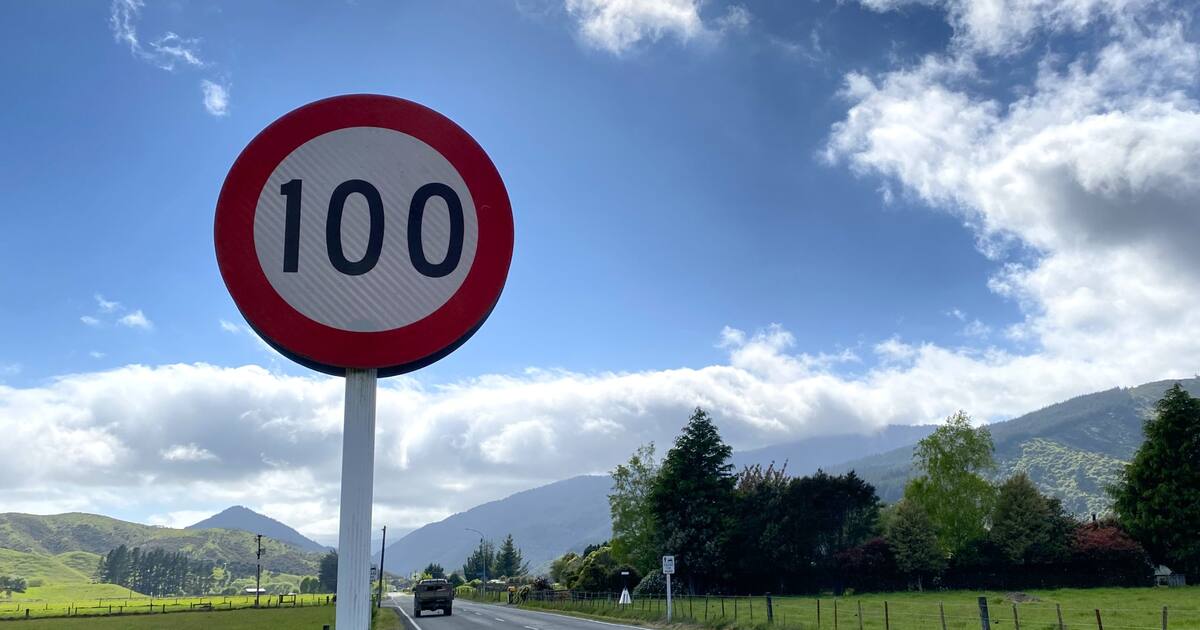
Opinion: A government plan to lower open-road speed limits to 80km/h during a fuel shortage may be sensible in principle, but it needs clear public trigger points before New Zealand is in a crisis. 1News reported on 1 August that lowering the speed limit is part of the government's plan if fuel supply comes under pressure.
The logic is not difficult. Vehicles generally use less fuel at lower speeds, and a nationwide response during a shortage may require small sacrifices spread across many drivers. A temporary 80km/h limit could reduce consumption, stretch supplies and signal that the situation is serious. But public compliance will depend on trust, and trust depends on understanding.
New Zealanders should not first hear the details of a fuel-saving speed limit when queues are already forming at petrol stations. The government should explain in advance what kind of shortage would trigger the measure, who would make the decision, how long it could last, how exemptions would work, and how police or transport agencies would enforce it. Without that clarity, a reasonable conservation tool could quickly become another argument about overreach.
Communication is especially important because speed limits already carry political baggage. Recent transport debates have made many drivers suspicious of changes they see as ideological or inconvenient. A fuel-shortage limit is different from an ordinary road-safety change, but the distinction will not sell itself. Ministers and officials need to state plainly that the purpose would be fuel conservation during a supply disruption, not a permanent reset by stealth.
The freight question also needs detail. Trucks, couriers, tradies, emergency services and rural communities do not use roads in the same way as discretionary weekend drivers. A lower speed limit affects travel time, delivery windows and fatigue management. If the plan is to apply broadly, industries need enough notice to model the effect. If exemptions are possible, those rules need to be narrow and transparent.
There is also a fairness issue. During fuel pressure, wealthier households can often absorb price spikes, work from home or switch vehicles. Lower-income workers may have fewer options and longer commutes. A speed-limit tool spreads some responsibility across all drivers, but it should sit alongside clear advice on public transport, essential travel, remote work and support for critical services.
The policy should be judged by preparation, not panic. New Zealand is geographically exposed to fuel supply disruptions because it relies on imported fuels and long supply chains. Planning for shortage scenarios is responsible. The mistake would be keeping the plan too vague until the moment the public is asked to change behaviour.
A temporary 80km/h limit could be an effective part of an emergency fuel package if people know why it exists and what would end it. The government should publish the plain-language thresholds now. In a shortage, the country will need cooperation. Cooperation is much easier to earn before the dashboard light is already flashing.
The same document should say how success would be measured. If slower travel is expected to save a specific amount of fuel, the public deserves to see the estimate and the evidence behind it.