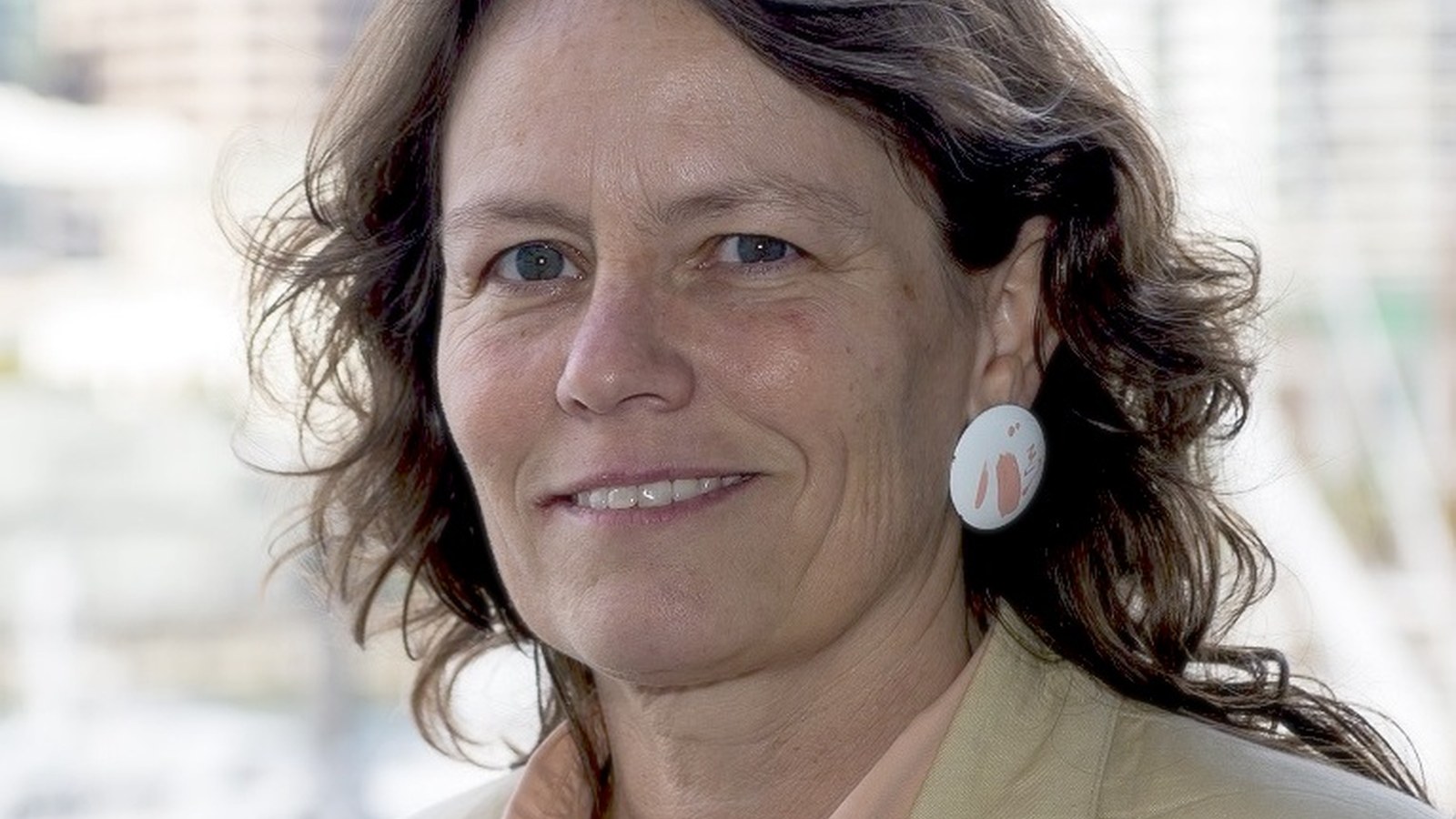
Professor Cather Simpson's move onto the board of the New Zealand Institute for Advanced Technology gives New Zealand's new deep-tech body a director who has already lived the difficult middle ground between laboratory discovery and commercial reality. The University of Auckland profile published this week describes Simpson as a physicist, entrepreneur and academic leader whose work has helped turn research into companies, products and investor-ready technology.
That founder record is the reason this appointment matters beyond one board table. Simpson founded Engender Technologies, a company created to commercialise laser-based livestock sperm-sorting technology. She also co-founded Orbis Diagnostics, which is developing point-of-care blood testing, and has been involved in other spin-out work including Ligar and Marama Labs. Those companies sit in exactly the space New Zealand policy often says it wants more of: science that can become exportable, defensible, high-value technology.
The new institute is being set up with a broad ambition to back advanced technology in areas where New Zealand can build advantage. That sounds simple in a strategy document, but it is difficult in practice. Deep-tech companies need patient capital, specialist customers, technical validation, regulatory pathways, experienced operators and enough time for science to become something reliable outside the lab. A board member who has founded and scaled research-linked companies brings practical friction into those discussions.
Simpson's background also matters because founder-led science businesses face different pressures from ordinary software startups. A software product can often be tested quickly with early users. A laser, diagnostic device or materials process may need specialist equipment, long validation cycles and careful intellectual property work before customers can rely on it. The commercial question is not just whether the science is exciting, but whether the venture can cross the proof, manufacturing and sales gaps without running out of capital or focus.
For universities, Simpson's career is a reminder that commercialisation should not be treated as a side activity. New Zealand publicly funds research and trains technical talent, but too much value can leak offshore if promising ideas are not supported through the early commercial stages. Strong technology transfer needs founders who understand science, investors who understand risk and institutions that reward translation as well as publication.
There is also a cultural point. Founder stories in New Zealand are often told through consumer brands, food businesses or familiar local operators. Those stories matter, but deep-tech founders need visibility too because they give young scientists and engineers a different model of what a career can become. Simpson's path shows that a researcher can move between academic leadership and company creation without treating those identities as opposites.
The test for the institute will be whether it can turn that sort of experience into repeatable support for others. New boards often begin with large words: innovation, transformation, productivity and global competitiveness. The useful measure will be more concrete. Can more New Zealand researchers find market partners earlier? Can founders raise capital without shifting key work overseas too soon? Can promising companies keep high-value jobs and decision-making here while still selling globally?
Simpson's appointment does not answer those questions by itself. It does, however, put a founder who has seen the hard version of science commercialisation into the room where some of those decisions will be made. For a country trying to lift productivity through advanced technology, that is a practical signal rather than a symbolic one.