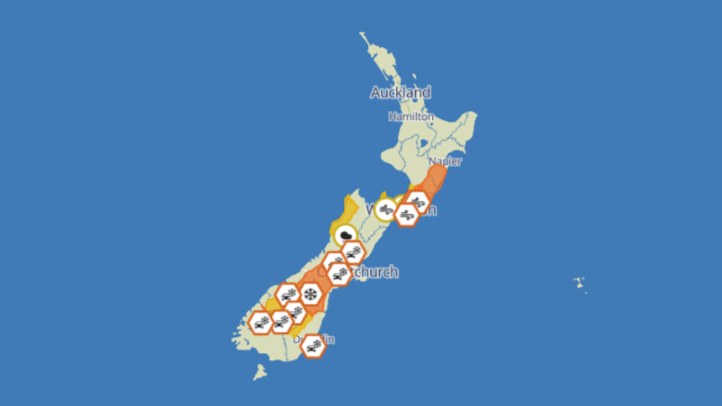
MetService is warning New Zealanders that the school holiday period is likely to begin wet and windy for much of the country, with a front pushing onto Fiordland on Friday afternoon before moving toward the North Island on Saturday. The forecast matters because it arrives exactly as families, sports teams and holiday travellers begin planning winter road trips.
According to the 1News report, MetService said weather warnings are likely to be issued in coming days as the front moves north. Colder air is expected to follow behind the system, while a low-pressure system developing alongside it is forecast to bring rain for most of the country through Sunday and into Monday. That is the sort of pattern that can turn a simple school holiday drive into a weather-management exercise.
The main public message is timing. Friday afternoon in Fiordland is only the start of the event, not the end of it. A front that moves across the country over a weekend can catch people at different points in their plans: leaving town on Friday, crossing alpine routes on Saturday, heading to events on Sunday, or returning from short breaks on Monday. Travellers need to check the latest forecast for their actual route, not only the weather in the town where they start.
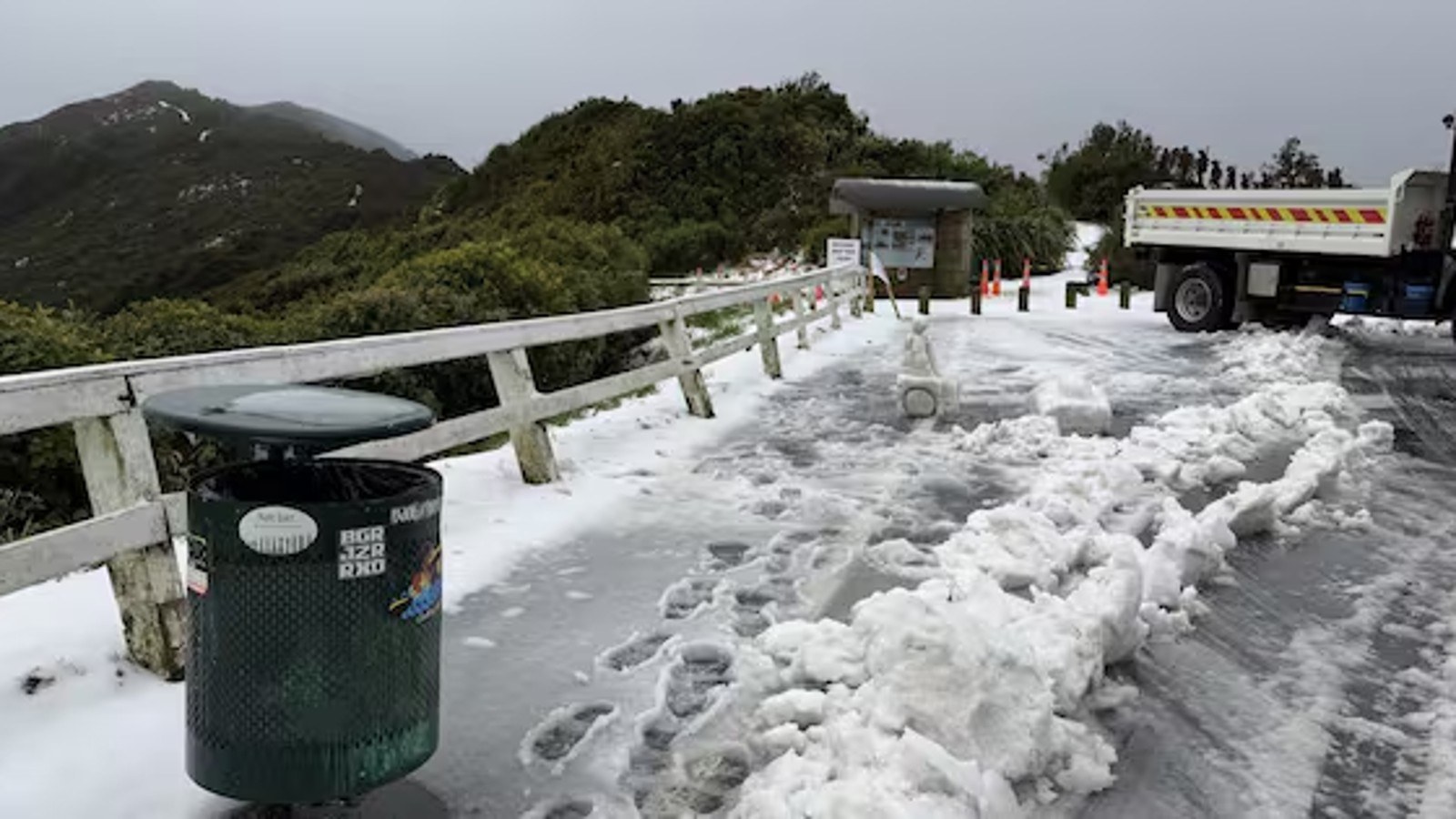
The warning also follows several days in which winter road risk has been a recurring national theme. Ice, fog and black ice have already caused warnings in parts of the South Island, while the new forecast adds rain, wind and colder air to the holiday mix. Those hazards do not all behave the same way. Rain reduces visibility and braking distance. Wind can make high-sided vehicles harder to control. Cold air after rain can create fresh slippery patches in exposed or elevated areas.
For households, the practical advice is familiar but easy to underestimate. Leave extra time, check MetService and transport-agency updates before departure, keep fuel and phones topped up, and avoid treating a weather warning as something that applies only to other drivers. People travelling with children should plan for slower trips and possible delays, especially where ferries, flights, alpine passes or rural roads are involved.
The forecast is also important for event organisers and accommodation operators. The first weekend of school holidays often brings a rush of movement around regional sports, family visits and winter activities. If the weather deteriorates, operators will need clear cancellation, postponement or check-in communication. Vague updates create more pressure on roads because people leave too late or keep driving into conditions they would otherwise avoid.
MetService's severe weather outlook remains the key place to watch because warnings can change quickly as a front develops. A forecast issued before a system reaches land can be refined once rain bands, wind strength and low-pressure behaviour become clearer. That is why people should keep checking rather than relying on a screenshot from earlier in the day.
New Zealand's winter weather rarely affects everyone evenly. One region may see manageable showers while another deals with heavy rain, slips or difficult driving. The school holiday timing makes that unevenness more consequential. The safest assumption is that the forecast will matter somewhere along the journey, even if home still looks calm when the car leaves the driveway.