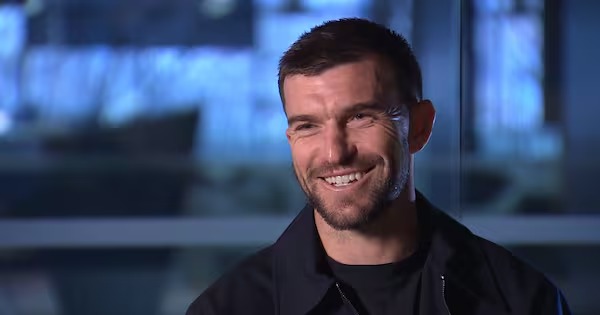
Tim Payne has returned from the FIFA World Cup with New Zealand's campaign over, his public profile transformed and a new club challenge in Paraguay waiting almost immediately. The All Whites defender told Breakfast, in a 1News interview published on 1 July, that he was only just getting time to reflect after a month in which he became a social-media talking point before a ball had even been kicked.
The sport angle is not simply that New Zealand exited in the group stage. It is that one player has come home with a larger platform despite the team's disappointment. Payne, 32, said the attention had helped shine a light on his football capabilities and that he was excited to tackle the Paraguay move head-on. His transfer from Wellington Phoenix to Olimpia means there is little space for a long reset, because the Paraguayan season is on hiatus during the World Cup and resumes at the end of the month.
Payne's comments show the strange mix that elite sport can produce. He was proud of the way the All Whites competed, but he also said the pain of the group-stage exit and the heavy defeat to Belgium remained raw. New Zealand led three different times at the tournament and still did not get the points needed to advance. That is the kind of performance that can build pride and frustration at the same time.
His assist for Finn Surman's goal against Egypt was a personal high point. Payne told 1News it was special to have family in the stands and acknowledged the sacrifices his parents had made. But he also resisted turning the moment into an individual celebration, saying he would rather have won the match 1-0 and not recorded the assist. That is the right tone for a defender whose team came close but did not progress.
The commercial attention adds another layer. Payne said he had been contacted by many prospective commercial partners after his Instagram following climbed to nearly six million. That is unusual territory for a New Zealand footballer. Rugby, cricket and netball have often dominated the mainstream sports-marketing conversation here, while footballers have had to build profile through overseas clubs, major tournaments or one-off viral moments.
The risk is that attention can turn into distraction. Payne is joining a giant of Paraguayan football, where supporter expectation, language, travel and playing style will all be different from the A-League. Social-media fame does not win tackles, handle hostile away grounds or secure selection. The useful part is that Payne appears aware of the distinction. He spoke about the football challenge, not only the following.
For the All Whites, his story is also a reminder of why World Cups matter even when campaigns end early. Players can be seen by new audiences, young footballers can find role models, and the national team can build credibility by showing that New Zealand players can compete in demanding environments. The team's next step is to turn tournament respect into a stronger programme, not just a set of good memories.
Payne now moves from the World Cup spotlight to club pressure in South America. If he settles quickly at Olimpia, the attention around him will look less like a passing viral moment and more like a genuine career step. For New Zealand football, that would be the more valuable outcome.