Matariki Taimoana opens Auckland's July event calendar on Saturday with a waterfront programme at Silo Park that combines Vector Lights, music, storytelling and family activities. Auckland Live lists the event for 4 July from 4pm to 8pm, with further Matariki Taimoana programming running to 11 July as part of the wider Matariki Festival season.
The timing makes this more than a routine event listing. Saturday 4 July is the opening day of Auckland's Matariki Festival 2026 window, which Eventfinda lists as running from 4 to 19 July. Families are also entering the school holiday period, meaning free or accessible public programming becomes especially important for people looking for evening activities that do not rely on expensive tickets.
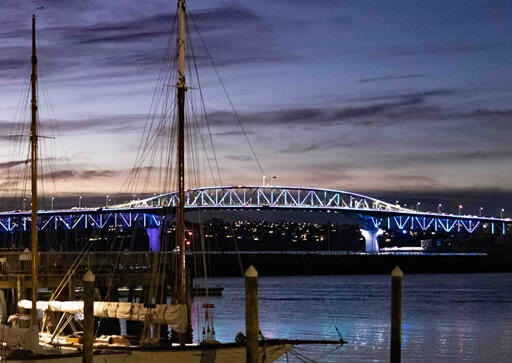
Auckland Live says the Silo Park event is aligned with light, culture and community. The programme includes the Harbour Bridge Vector Lights show honouring Matariki, created by Ngati Whatua Orakei, alongside music, storytelling and family-friendly activity on the waterfront. The location matters because Silo Park gives the event visibility across a public space rather than keeping it inside a theatre or gallery.
The use of Vector Lights also turns infrastructure into a cultural platform. Large light shows can become empty decoration if they are disconnected from place and story. In this case, Auckland Live says the dedicated light and sound show is connected to Matariki, giving people a reason to gather, look across the harbour and connect the city skyline with the Maori New Year.
For event organisers, Matariki Taimoana shows how winter programming can work when it is built around public access, family timing and a clear sense of place. July can be hard for outdoor events because weather is uncertain and evenings are cold. But the combination of lights, music, storytelling and short time windows can make the event manageable for families who may not want a late night.
The wider festival context is important. Matariki programming across Auckland now includes installations, performances, concerts, workshops and community events rather than one central ceremony. That gives people multiple ways to participate: some may attend a waterfront light show, others may choose a local workshop, a waiata concert, a tamariki programme or a neighbourhood gathering.
Auckland's challenge is to keep that breadth coherent. A large festival calendar can become hard to navigate if the public cannot tell what is happening, which events are free, and which days matter most. Clear information from Auckland Live, Eventfinda and council event channels will be part of whether people actually turn up.
The weather timing also makes planning important. MetService is forecasting a wet and windy start to the school holidays for much of the country, so people heading to an outdoor waterfront programme should check the latest forecast, dress for winter conditions and allow time for public transport or parking. A free event still needs practical preparation if families are going to stay long enough to enjoy the lights and storytelling.
Matariki Taimoana's strongest value is that it makes the opening weekend visible. The event gives families a simple invitation: come to the waterfront, hear stories, see the lights and begin the Matariki period together. In a city where winter can push people indoors, that is a useful public event signal.