
Consumer New Zealand has launched a flight complaints portal aimed at giving travellers a clearer route through delays, cancellations, missing luggage and other airline problems. The portal arrives as winter weather, school holidays and international travel demand put more pressure on passengers who often do not know what they can ask for when a trip goes wrong.
Consumer NZ campaigns manager Jess Walker told 1News the portal is intended to address a lack of transparency in the aviation sector. Consumer's research found 90% of New Zealanders were unaware of their flight rights, while 75% relied purely on airlines for information about cancellations, delays, missing baggage or other airline problems. That is a weak position for passengers because the airline is both the service provider and the main source of rights information.
Walker said New Zealand differs from many other places, including the European Union, because there are no rules requiring airlines to tell passengers about their rights when things go wrong. She said many passengers do not know they may have protections under the Civil Aviation Act and the Consumer Guarantees Act. The result is that legal rights can exist in theory but be unusable in practice.
The domestic example is especially practical. If a domestic flight is delayed because of operational issues within an airline's control, a passenger can ask the airline to reimburse reasonable costs caused by the delay, up to 10 times the ticket price. International rights can be more complicated because they depend on where the passenger is travelling, where the airline is based and which rules apply to the journey.
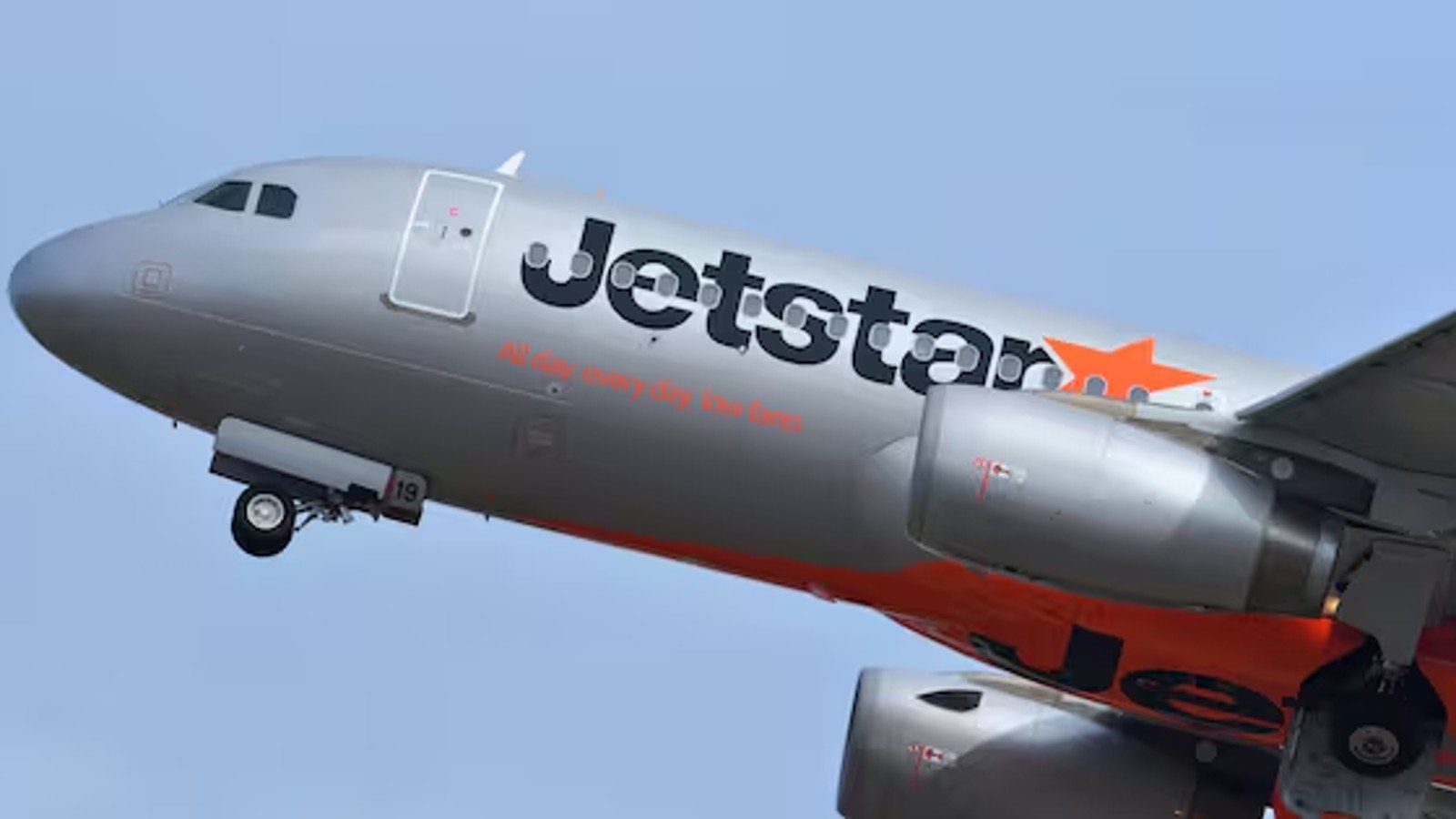
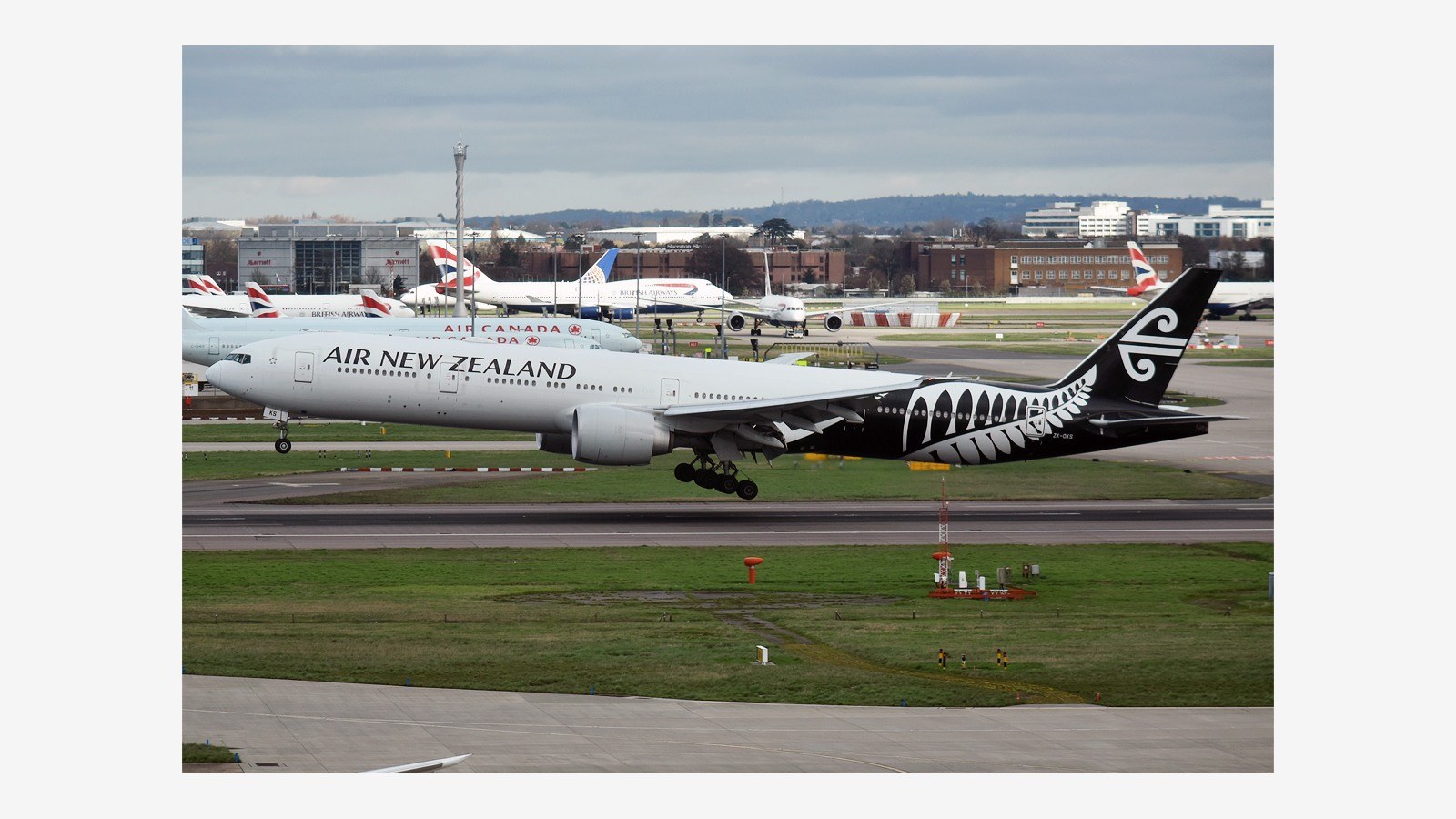
The portal is also designed to collect experiences, not only explain rights. Rova reported that Consumer expects to identify trends and themes from the responses and put them in front of providers, including Air New Zealand and Jetstar, as well as share consolidated information with the Government. That matters because individual complaints can feel isolated, while a visible pattern can show whether passengers are being misinformed or left out of pocket in similar situations.
The political context is live. Consumer NZ delivered a flight rights petition to Parliament earlier this year, signed by more than 10,500 people, asking for airlines to be required to tell passengers their rights at the point of disruption. Consumer's submissions page also lists its 2026 submission on the flight rights petition. Walker told 1News the organisation had recently urged the parliamentary petitions committee to recommend regulations similar to Europe.
For travellers, the immediate advice is to document everything. Keep booking references, airline messages, receipts for reasonable costs, reasons given for the disruption and the exact timing of events. The cause of the disruption matters because rights change depending on whether the issue was inside the airline's control. Weather and safety events may be treated differently from operational problems.
The larger travel story is about confidence. Passengers can accept that flights sometimes change because weather, safety and aircraft operations are complex. What frustrates people is uncertainty over who pays, what they are entitled to, and why one traveller receives help while another does not. Consumer NZ's portal will not prevent disruption, but it gives passengers a better chance of turning a bad travel day into a claim they can actually understand.