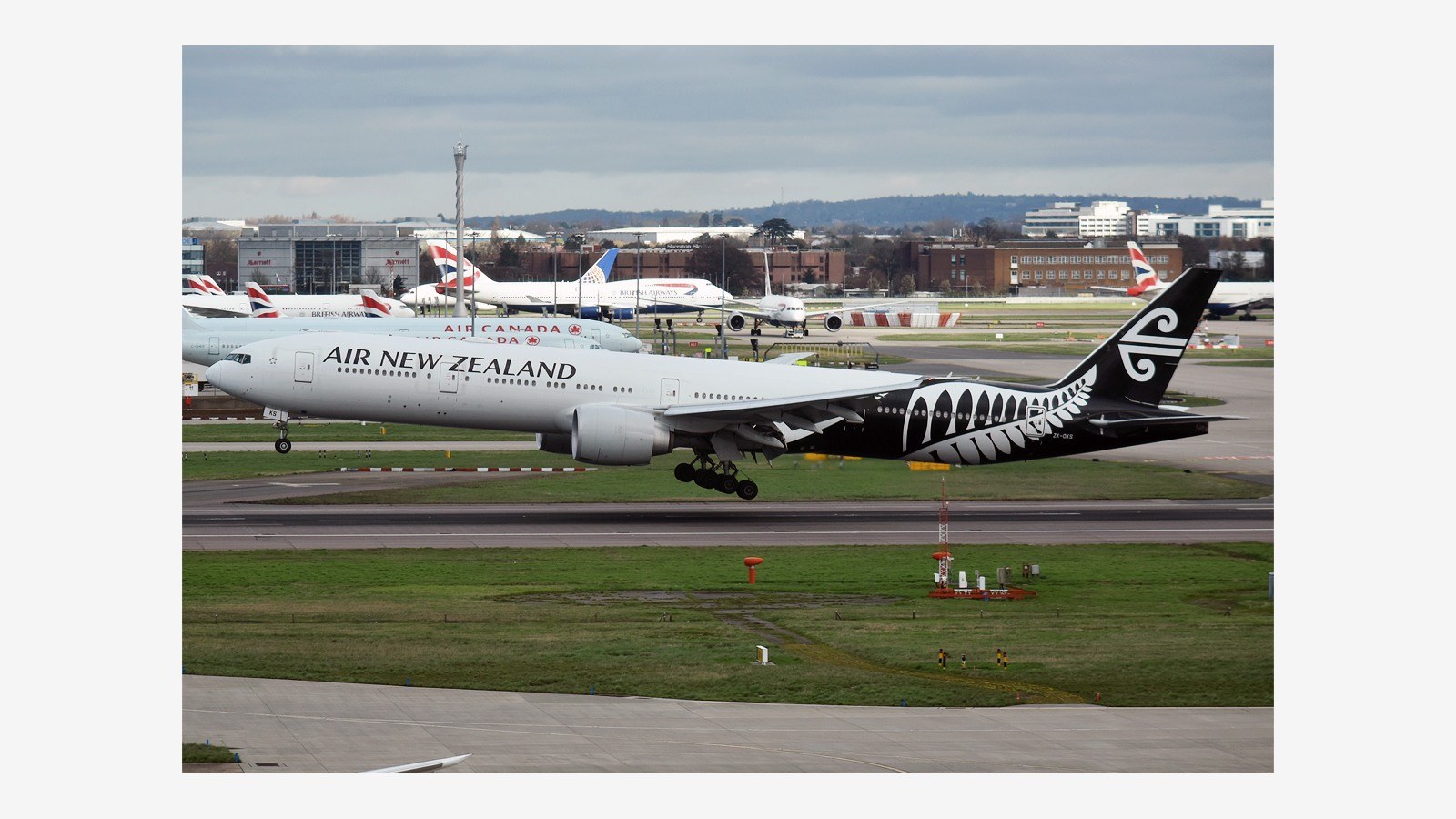
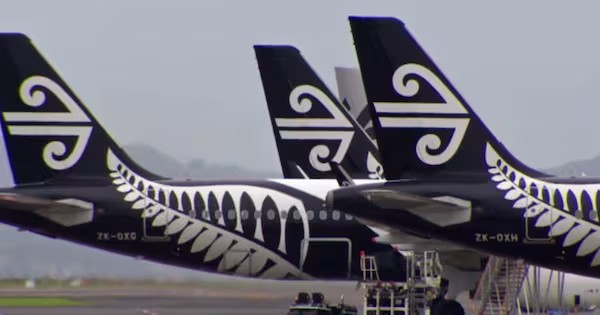
Air New Zealand's new strategy reset is a travel story because it shows where the national carrier thinks the strongest visitor value will come from: premium long-haul travellers, business commuters and a regional network that can be made financially sustainable. Chief executive Nikhil Ravishankar presented the Te Pae Hou reset to investors while also confirming fresh Boeing 787 Dreamliner delivery delays.
The airline's NZX announcement said the reset is already being implemented and is focused on returning Air New Zealand to profitability and generating stronger returns over time. That investor language matters, but travellers will judge the plan through different questions: whether routes stay reliable, whether fares remain tolerable, whether delays reduce, whether regional connections hold, and whether the onboard product matches the premium visitor story.
Ravishankar's pitch to target high-value bucket-list travellers is commercially understandable. New Zealand is a long-haul destination for much of the world, so the airline has strong incentives to focus on visitors willing to pay for comfort, certainty and a distinctive Kiwi experience. Premium visitors can support margins, hotels, restaurants, tour operators and domestic connections if they stay longer and spend widely.
The domestic side is just as important. Air New Zealand is also targeting business commuters and road warriors who travel several times a year and contribute heavily to regional economics. That makes sense for the airline, but it also means regional communities will watch the phrase financially sustainable carefully. For many towns, an air route is not a luxury. It is part of health access, business travel, tourism and family connection.
The Dreamliner delay complicates the travel promise. Two new 787 aircraft have been pushed further into the first half of the 2027 financial year. New long-haul aircraft matter because they affect capacity, reliability, fuel efficiency, cabin experience and the ability to grow or restore routes. Travellers may not follow fleet planning closely, but they feel its consequences through ticket prices, seat availability and disruption.
There is some operational relief. The airline said the last aircraft grounded by engine problems had returned from Alice Springs, although carrying costs linked to leased aircraft are expected to take longer to unwind. That distinction matters for customers. An aircraft returning to service can improve day-to-day operations, but the financial drag from previous disruption can still influence fares, savings programmes and investment choices.
Tourism operators will want the reset to translate into clear destination demand, not only airline language. Premium visitors still need reasons to travel beyond the gateway cities: food, nature, culture, conferences, events, wine regions, walking and regional experiences. If Air New Zealand's marketing can bring those travellers into domestic networks, the benefits can spread.
The reset is therefore both a business recovery plan and a travel-market signal. Air New Zealand is saying it will be more selective about who it targets and how it grows. That may be the right commercial move, but the public test is practical: fewer disruptions, clearer route commitments, realistic fares and a visitor strategy that helps New Zealand beyond the premium cabin.