Tourism New Zealand is targeting a record $253 million from international conference bids in the next financial year, putting business events at the centre of a higher-value visitor strategy. The agency said it had closed out the current financial year with 110 bids worth $185 million, the highest it had reached, and would keep the same number of bids while lifting the value target.
The travel story is important because conferences bring a different kind of visitor from standard holiday campaigns. Tourism New Zealand Business Events global manager Penelope Ryan said business events are high value because they bring people who spend more, travel outside peak seasons and contribute to the country's knowledge economy. That is the kind of visitor mix tourism operators often want: less dependent on summer peaks and more likely to use hotels, restaurants, venues and domestic connections in shoulder periods.
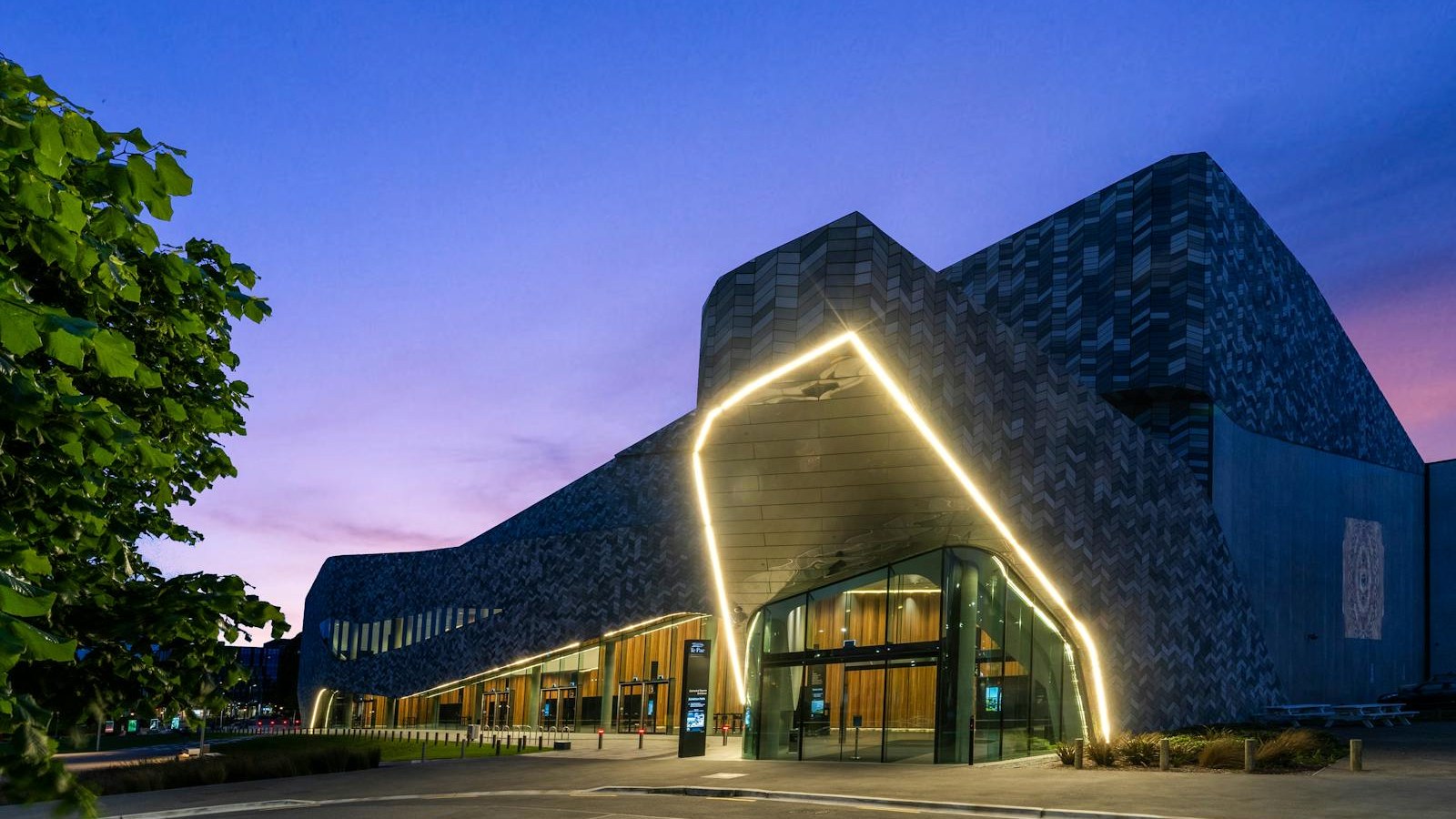
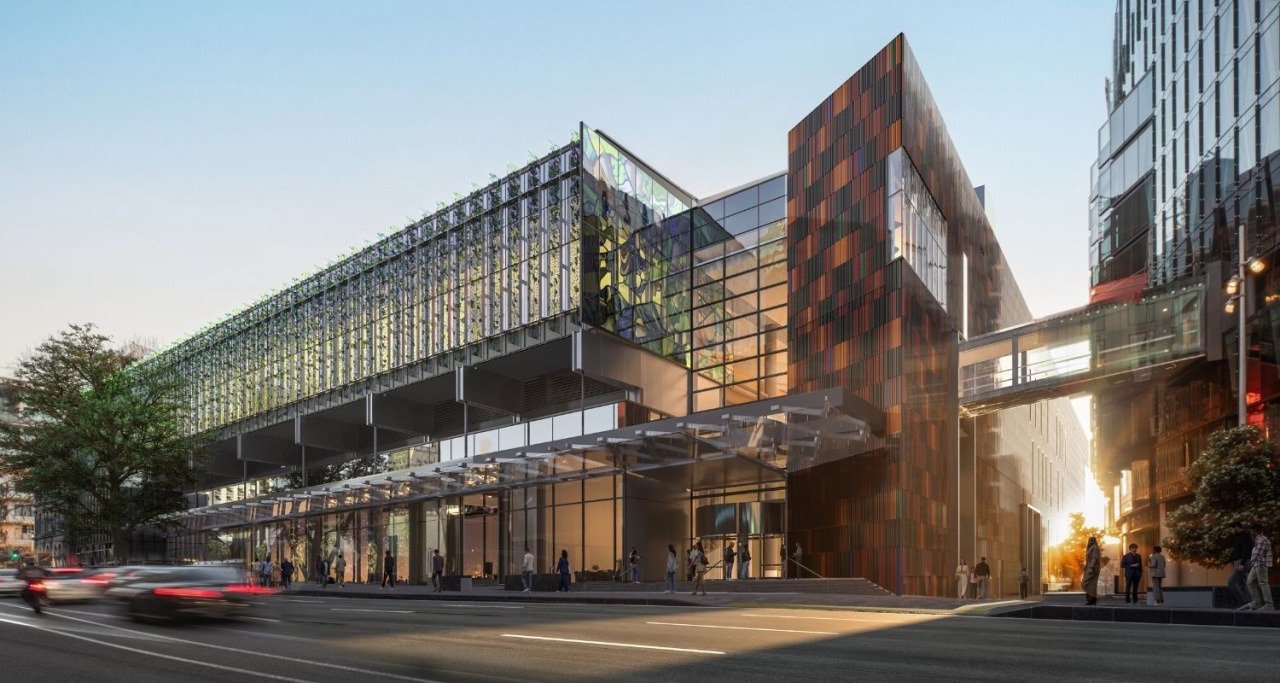
New Zealand has stronger infrastructure for that push than it had before. Ryan pointed to world-class convention centres in Auckland, Wellington and Christchurch and said the country is attracting business events from across the globe. Auckland's New Zealand International Convention Centre, Te Pae Christchurch and Tākina Wellington give bidders a clearer story to tell when competing for international association and corporate events.
The numbers behind the strategy are substantial. Tourism New Zealand said the country was named an early recovery leader in the International Congress and Convention Association's 2025 rankings, moving to 45th from 48th, with association meetings hosted in 2025 exceeding 2019 levels. It also cited Business Events Industry Aotearoa data showing multi-day conferences supported $925 million in economic activity in New Zealand in 2025 and generated more than 735,000 international visitor nights.
Visitor nights are the key travel measure. A conference delegate may arrive for three days of meetings, but also book extra nights, restaurants, tours and domestic travel. Some bring partners. Some return later. A good conference experience can function like a business card for the country, especially when delegates leave with a sense that New Zealand is safe, easy to navigate and worth visiting again.
The opportunity is not automatic. Long-haul distance still matters, air capacity matters, and event organisers compare New Zealand with cities in Australia, Asia, Europe and North America. Pricing, reliability, visa settings, accommodation supply and local transport all affect whether a bid becomes a confirmed event. A beautiful destination is not enough if the logistics are weak.
For regions, the conference pipeline can spread value if visitor programmes are designed well. Delegates in Auckland can be encouraged into nearby food, culture and nature experiences. Wellington can connect conferences with film, government, technology and creative sectors. Christchurch can pair events with the South Island's wider visitor appeal. Queenstown remains a powerful incentive destination, but it is not the only place that can benefit.
The $253 million target is therefore both ambitious and strategic. It shows Tourism New Zealand wants visitor growth that is more valuable, less seasonal and tied to knowledge sectors. The next test is whether bid wins translate into events that leave delegates with reasons to spend, explore and return.