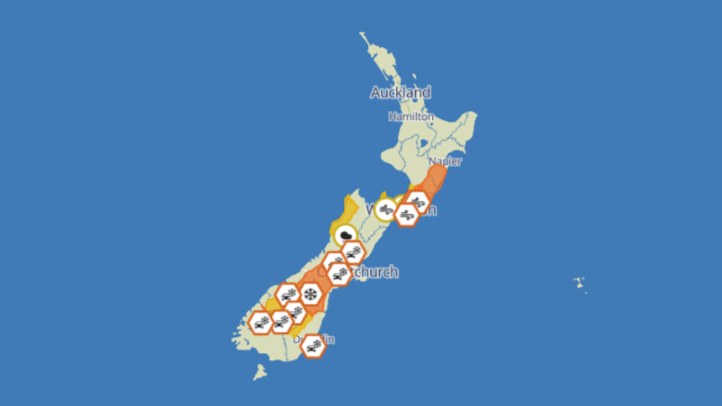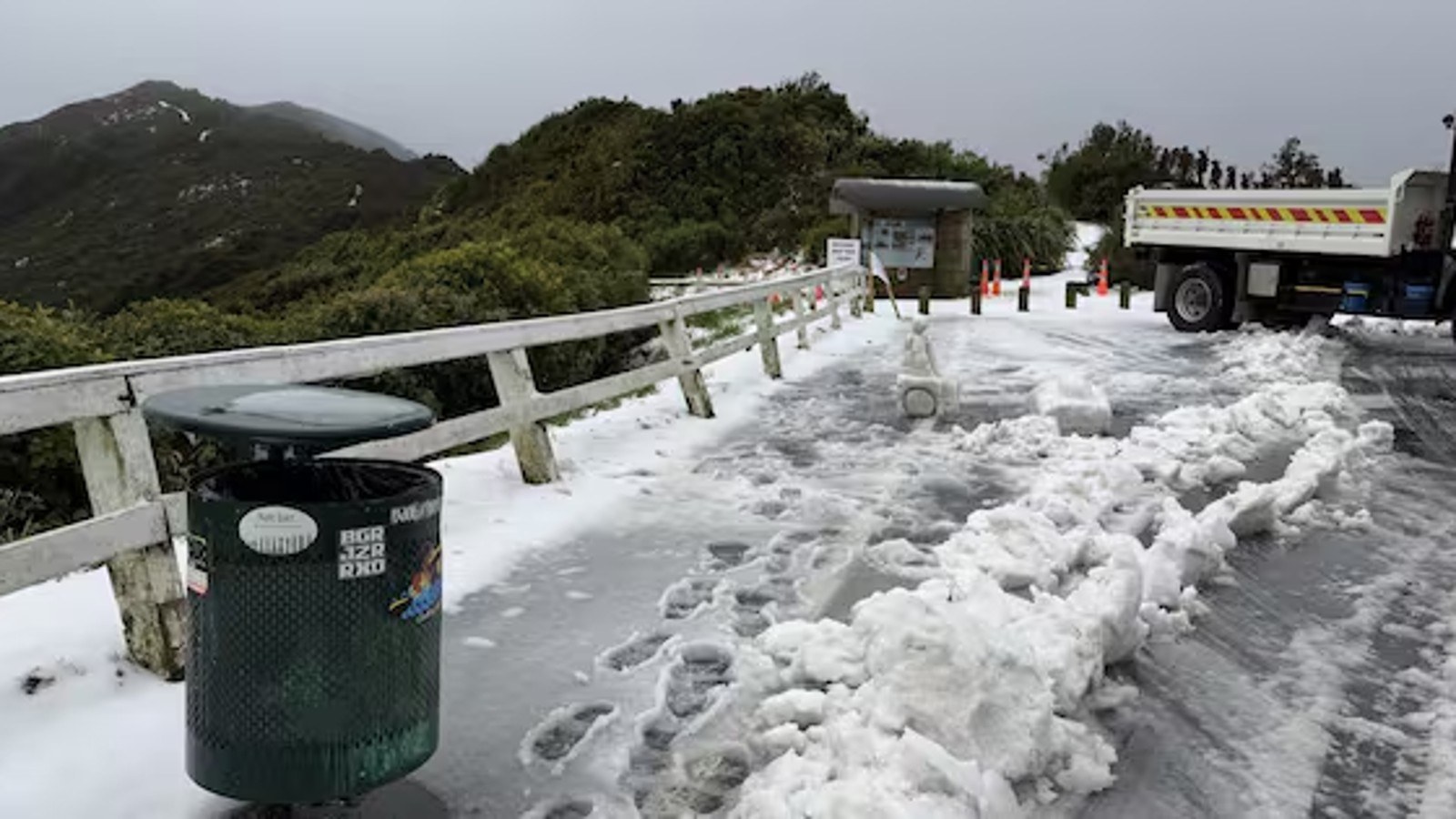
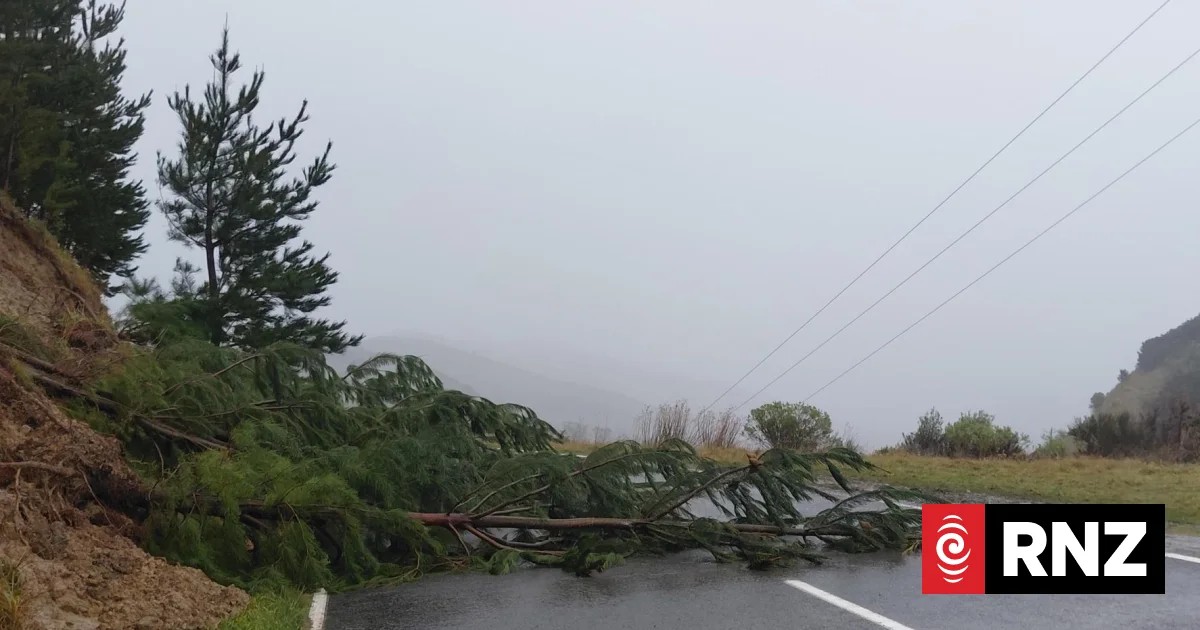
South Wairarapa and Lower Hutt are still dealing with the after-effects of severe weather, with RNZ reporting a continuing threat of slips after Friday's wild conditions battered central New Zealand. The rain and wind eased, but the risk did not end with the worst of the weather. Roads, hillsides, riverbanks and power networks can remain unstable long after the main front has moved away.
RNZ reported firefighters were called to 165 weather-related events on Friday night, including loose roofing, sheds blown away and trees falling onto buildings. More than 2500 households were still without power on Saturday morning across Waikato, the Coromandel Peninsula, Taranaki, Whanganui, Manawatu and the Wellington region, including Wairarapa. That was down from about 7000 properties in the dark on Friday.
The South Wairarapa transport picture was especially difficult. South Wairarapa District Council said there were no alternative routes in or out of Martinborough because all routes were closed. When a town is cut off, normal routines become decisions about medical appointments, food, fuel, school, work and welfare checks.
The slip risk matters because damage can appear late. Saturated ground may move after rainfall stops, especially on steep or already weakened slopes. Roads that look passable can have undermined shoulders, blocked drains or debris around corners. Residents and visitors should treat council closures as safety instructions, not suggestions.
MetService's severe-weather pages remain an important starting point, but local updates are just as important during recovery. A national outlook can show that the main weather risk is easing, while a local council post can tell people which bridge, hill road or rural route is still unsafe.
For households, the practical checklist is simple. Charge phones when power is available, keep torches and batteries accessible, check on neighbours, avoid driving through floodwater, and use official channels for road status before travelling. Rural properties should watch culverts, farm tracks, stock access and water supplies.
The weather has eased, but central New Zealand is still in the recovery phase. The safest message for South Wairarapa, Lower Hutt and affected rural communities is to let inspections finish, respect closures and keep checking the latest local advice before assuming winter roads are back to normal.