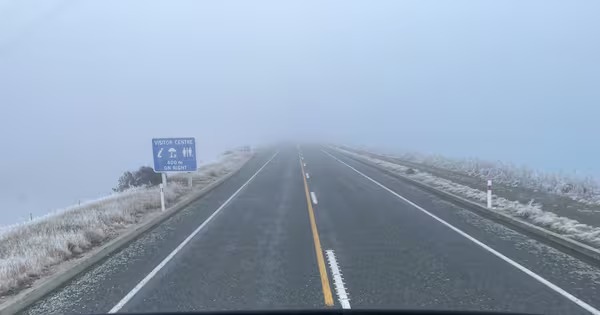
New Zealand Transport Agency Waka Kotahi and police have warned South Island drivers to slow down after freezing conditions and black ice closed roads and contributed to multiple crashes on Wednesday morning. 1News reported that State Highway 8 between Lake Tekapo and Twizel had reopened after a black-ice closure, while the Dunedin Southern Motorway also reopened after an earlier crash.
The warning is a reminder that settled winter weather can be dangerous even without a major storm headline. High pressure, clear skies and freezing temperatures can create black ice, fog and hard-to-read road surfaces. MetService meteorologist Heather Keats told 1News that people across the country were waking up to a very cold start, and that high pressure and clear skies leave little thermal blanket.
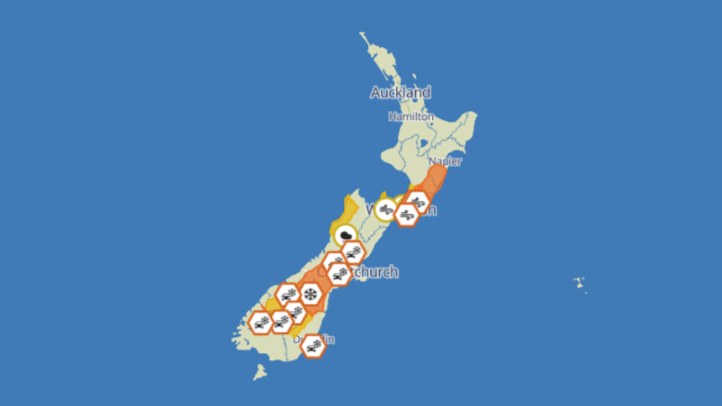
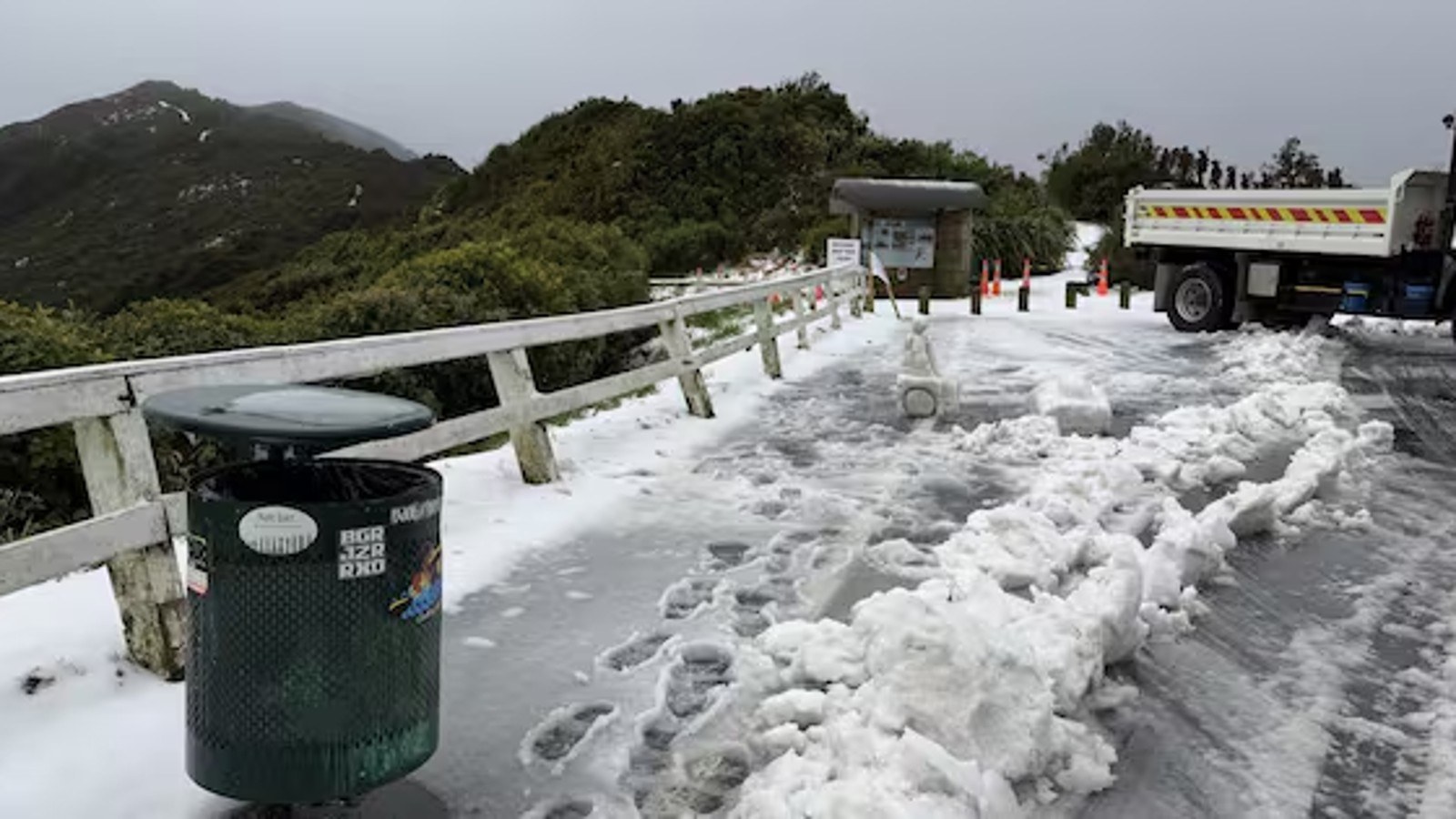
The central South Island was the clearest concern. NZTA said freezing temperatures were affecting roads throughout the region and urged caution on all inland highways. Crews were laying grit to improve traction, but the agency said roads would only reopen when considered safe. That point matters because a road that has physically reopened is not the same as a summer road. Ice can remain in shaded areas, around bridges and on higher stretches even after traffic starts moving again.
Police gave the most practical warning. Southern District police said there had been a number of crashes, especially around Roxburgh, Lumsden, the Dunedin Southern Motorway and Cromwell. Drivers were told to slow down, drive to the conditions, keep distance, and avoid driving tired or impaired. Those instructions can sound routine, but they are exactly what icy roads demand. Speed, following distance and sudden braking are the difference between a near miss and a serious crash.
The public risk is made worse by visibility. Black ice is hard to see, and fog can hide the condition of the road ahead. A driver may leave a clear town street and reach a shaded rural corner where the surface has not thawed. Visitors are especially vulnerable if they are unfamiliar with alpine and inland winter conditions, but local drivers can also be caught when a familiar route changes overnight.
For people travelling through the Mackenzie Basin, Central Otago, Southland and inland Canterbury, the best plan is to check NZTA's traffic and travel information before leaving, allow extra time, and treat road-status updates as live information rather than background reading. Chains, fuel, warm clothing and charged phones matter more in winter, particularly if a highway closes after a vehicle has already left town.
The weather story is also a systems story. Roading crews, police, tow operators, emergency services and transport agencies all become part of the winter safety chain. Gritting and closures may frustrate drivers, but the alternative is worse: multiple crashes on roads where emergency access can itself be slowed by ice and fog.
New Zealand's winter driving message often focuses on snow. Wednesday showed why ice deserves equal attention. No dramatic snowfall is needed for a dangerous morning. A clear night, freezing temperatures and inland highways are enough to turn a normal trip into a risk that drivers need to plan around.