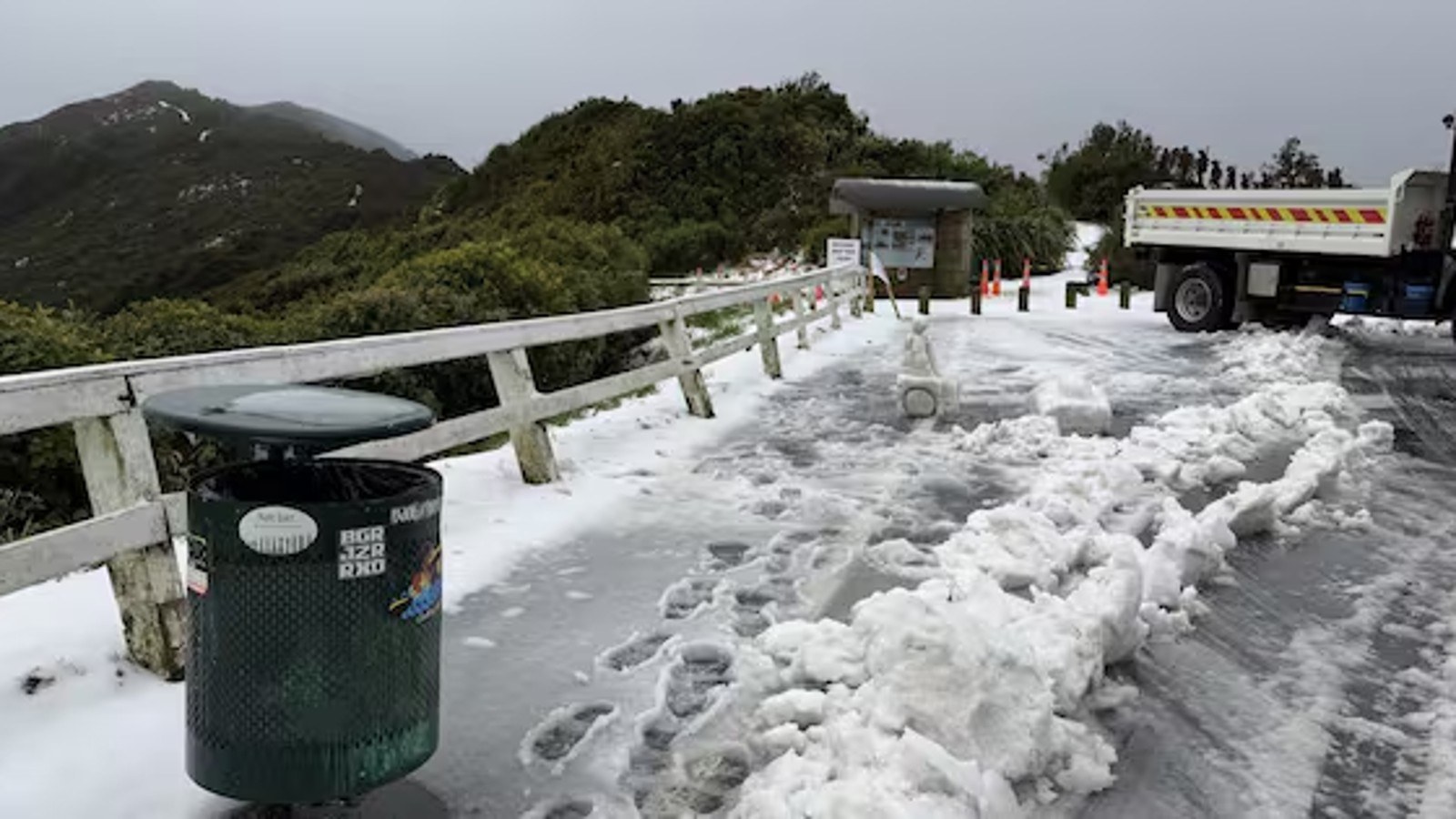

New Zealand has entered winter after a mild and dry autumn for many parts of the country, according to Earth Sciences New Zealand's seasonal climate summary released on 5 June. The national average temperature for autumn 2026 was 13.7C, which was 0.3C above the 1991-2020 autumn average and ranked as the country's 30th-warmest autumn in the seven-station series that began in 1909.
The rainfall pattern was uneven. Earth Sciences New Zealand reported below-normal rainfall for coastal and central Otago, eastern parts of Canterbury especially Christchurch and Banks Peninsula, Taranaki, Hawke's Bay, Gisborne and southern Waikato. Northland, northern Auckland and eastern Marlborough had above-normal or well-above-normal rainfall. The rest of the country was closer to normal.
That split is the real story. A national autumn average can sound tidy, but the lived experience was regional. Some households, growers and councils moved into winter with drier-than-usual soils, while others dealt with wetter conditions. By the end of autumn, soil moisture was considerably lower than normal in eastern Canterbury from Cheviot to Orari, and lower than normal across the remainder of Canterbury, eastern and inland Otago, south Auckland, Waikato, coastal Bay of Plenty, East Cape, Taranaki and Manawatu-Whanganui.
Canterbury stands out. The summary said prolonged dry spells occurred in May across many regions, especially Canterbury, where several locations recorded dry spells of at least 35 days. It also noted that very dry to extremely dry conditions were present in eastern parts of Waimakariri and Selwyn Districts, as well as Christchurch, by the end of autumn.
For farmers and growers, this kind of pattern affects winter planning. Dry soil can limit pasture growth and influence supplementary feed decisions. It can also alter irrigation, stock movement, planting and water-management choices. For councils, dry spells can affect parks, trees, stormwater systems, fire risk planning and how quickly waterways respond when heavy rain eventually arrives.
The autumn summary also shows why weather coverage should avoid one-size-fits-all conclusions. Northland and northern Auckland had a different season from much of eastern Canterbury. Marlborough had localised wetter signals while nearby areas can still carry different soil moisture concerns. New Zealand's geography means small distances can separate dry ground, flood-prone catchments and exposed coastlines.
There were several notable extremes. The highest autumn temperature was 30.9C at Alexandra on 7 March. The lowest was -7.6C at Mt Cook Airport on 20 May. Cathedral Cove recorded the highest one-day rainfall at 214mm on 26 March, and Cape Turnagain recorded the highest wind gust at 194km/h on 13 April. Among the six main centres, Tauranga was the warmest and sunniest, Christchurch was the driest and coolest, and Wellington was the wettest and least sunny.
The winter takeaway is practical. Check local forecasts, soil and drought-monitor information rather than relying on a national headline. A mild, dry autumn can create quiet pressures that become visible only when winter growth slows, water demand changes or the next heavy-rain system arrives.