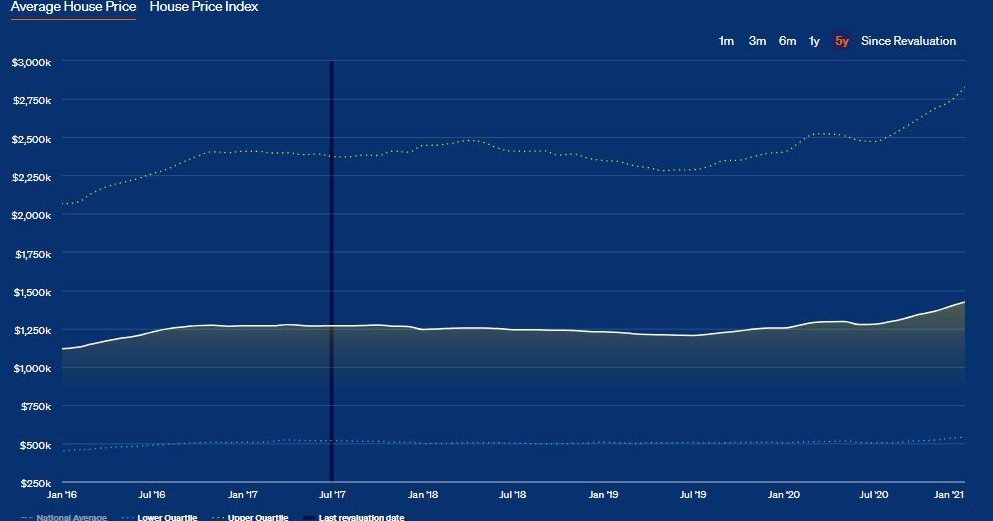
New Zealand's housing market is still failing to find a clean upward path, with QV's June House Price Index showing national residential property values down 0.4 percent over the three months to the end of June. QV says the average Kiwi home is now worth $906,443, virtually unchanged from the start of the calendar year and 14.8 percent below the 2022 peak.
That combination is the real property story. A small quarterly fall is not a crash, but it is also not a convincing recovery. The market has had time to absorb lower interest-rate expectations, wage growth, migration changes and buyers returning to open homes. Yet the national number remains close to flat. For sellers who expected a stronger winter lift, the data is a reminder that confidence and affordability are still working against each other.
The QV index matters because it gives readers a cleaner signal than auction anecdotes or individual listing headlines. One large sale can make a suburb look hot for a week. A quiet auction room can make a whole city feel weak. The index smooths that noise and shows the national pattern: values are drifting rather than sprinting. Buyers have more room than they had during the pandemic surge, but borrowing capacity and deposit pressure still limit how far many can move.
For first-home buyers, the flat market is both an opening and a warning. A market below its 2022 peak may create negotiating room, but a flat market does not automatically make homes affordable. Insurance, rates, maintenance, body corporate fees, transport costs and mortgage serviceability remain part of the purchase decision. A buyer who wins a discount but stretches too far can still be exposed if income changes or repairs arrive early.
For existing owners, the headline should dampen expectations of easy capital gain. The average value being almost unchanged from the start of the year means many households are relying on income and debt management rather than rising equity to improve their position. Investors face the same test. A purchase needs to stack up on rent, maintenance and interest-rate risk, not just the hope that prices will recover quickly.
The public conversation around property often swings between panic and boom talk. QV's June index supports neither. It shows a market still below the peak, still soft over the recent quarter, and still close to where it began the year. That is useful information for anyone making a winter property decision, because it rewards patience, careful budgets and local due diligence over broad claims that the market has already turned.
The index also gives buyers and sellers a reason to be cautious about simple national headlines. A small national fall does not mean every suburb is weakening at the same pace, and a flat national average does not mean every household is under the same pressure. Local employment, insurance, school zones, rebuild costs, listings and mortgage resets can all change the feel of a market street by street. The useful conclusion is that the winter property market is still negotiating price, confidence and affordability rather than moving cleanly into recovery or decline.