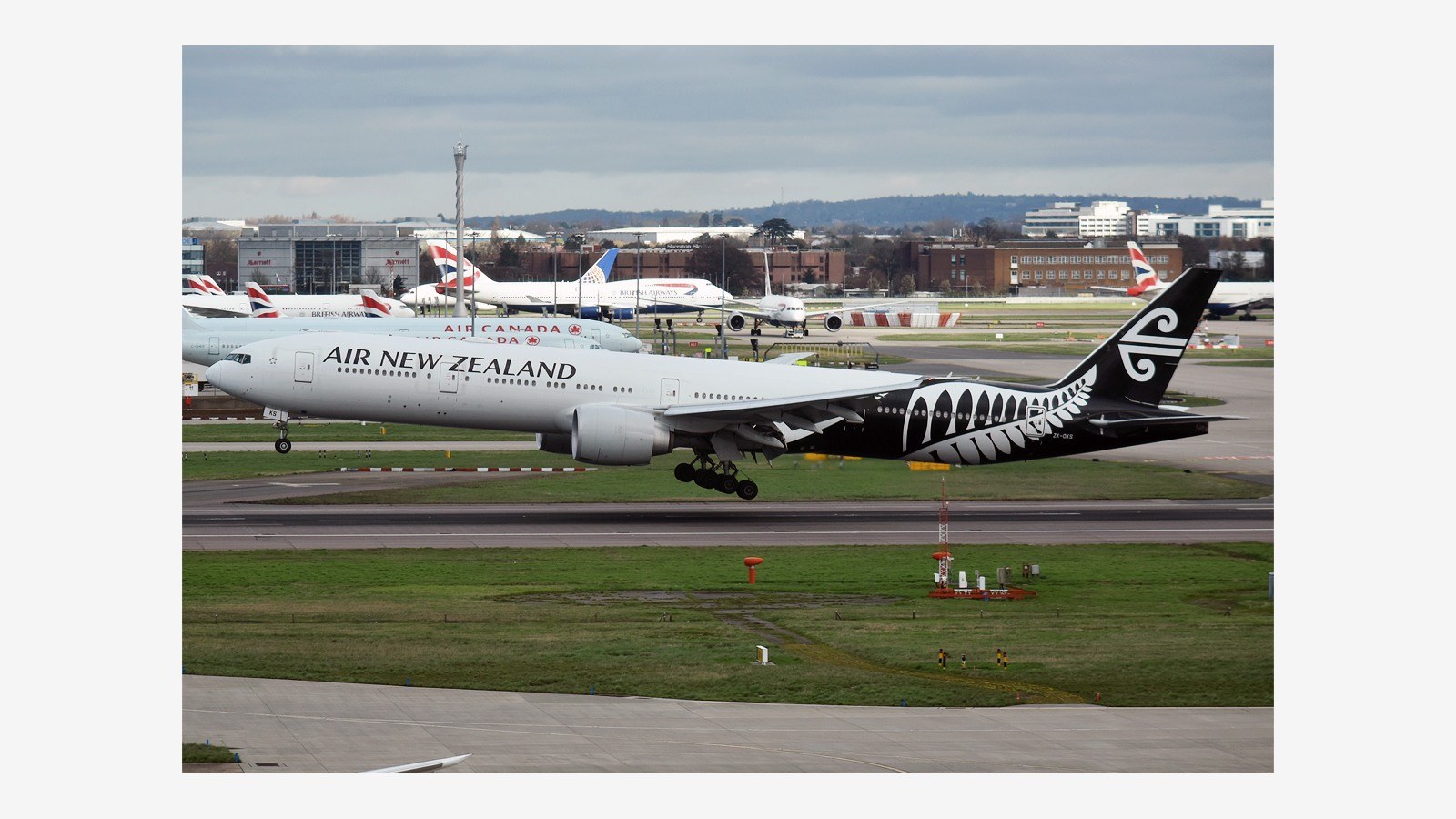

Queenstown Airport is preparing for its busiest winter yet, with more than 785,000 passengers expected through the airport between July and September. The airport's 22 June winter-holiday release says that compares with 735,344 passengers over the same three months in 2025, and that the peak is expected on 18 July with about 70 flights and 10,000 passengers in a single day.
The travel story is current because that peak is now less than a week away. Queenstown's winter visitor economy depends on a tight chain of aircraft, roads, accommodation, rental vehicles, ski transport, hospitality staffing and weather windows. When passenger volumes rise, small disruptions become more visible. A delayed arrival can affect shuttle bookings. A baggage issue can hold up a family heading to the mountains. A road closure can push pressure back onto airport terminals and hotels.
For travellers, the numbers are a warning to plan with more margin than usual. A record or near-record winter season is good news for the region, but it also means queues, parking pressure, busy food outlets, tighter rental-car supply and a greater need to check flight status early. People travelling with children, ski gear or connecting transport should assume the airport will be busy rather than hoping it will feel like an ordinary domestic terminal.
For Queenstown businesses, the forecast is a demand signal. Accommodation providers, tourism operators, restaurants and retailers all benefit from a strong winter travel period, but they also need staffing, stock, contingency plans and clear customer communication. A visitor who has a smooth arrival is more likely to spend time and money in the region rather than managing logistics.
The airport release also shows how regional travel has become a national economic issue. Queenstown is not just a local destination; it is one of New Zealand's clearest international tourism brands. Airport capacity, airline schedules and winter reliability therefore feed into the country's wider visitor reputation. A strong July can support operators well beyond the terminal.
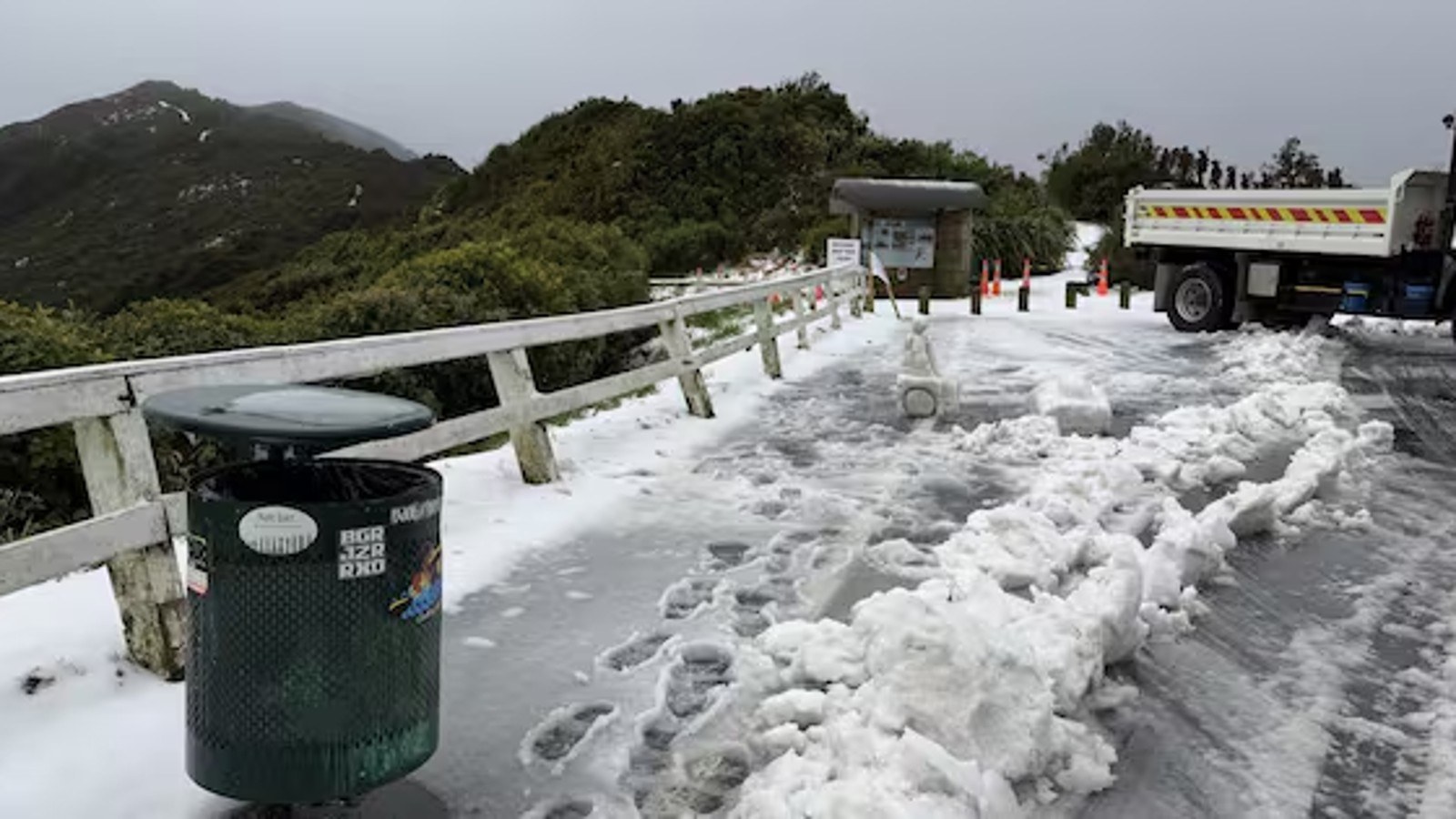
The practical advice is straightforward. Travellers should check airline apps before leaving, allow extra time, keep essentials in carry-on bags, monitor weather and road updates, and make flexible plans where possible. Queenstown's winter appeal is built on mountains, snow and scenery, but the trip still depends on ordinary operational discipline. With 785,000 passengers expected, that discipline matters.
The peak also sits inside a wider winter-travel equation. Queenstown's appeal depends on smooth links between flights, ski fields, accommodation, restaurants, road operators and weather information. If one part of that chain slows, the effect can be felt quickly by visitors who have paid for short, fixed holidays. That is why the airport's passenger forecast is useful beyond airport management. It gives travellers, operators and residents a shared signal that the busiest days will require more patience, earlier planning and clearer communication than a normal shoulder-season trip. For domestic travellers, the simplest protection is to treat the airport release as an early planning notice, not just a piece of corporate forecasting, especially when school-holiday plans and winter weather can collide.