Featherston's temporary toilet backdown is the kind of local story that looks minor until people need the service. Public amenities are easy to ignore in council papers, but they become very visible when residents and visitors are told to drive to another town for a basic need.
Local Democracy Reporting, carried by 1News, reported that South Wairarapa District Council has installed four temporary toilets and an accessible toilet near the Joy Cowley Children's Playground while Featherston's public toilets are upgraded. The move followed backlash after the council initially suggested people could use facilities in Greytown or Martinborough until the work was finished.
That original advice was always likely to land badly. A 10 to 15 minute drive might sound manageable on a spreadsheet, but it is not a reasonable answer for parents with children, older residents, people with disabilities, travellers stopping on the highway, local workers or anyone caught short in the town centre.
The council says the temporary units will be serviced and maintained during the upgrade, while warning that vandalism, cleanliness and windy spring conditions can create challenges. Those are real operational issues. They are also exactly the kind of issues councils are expected to manage when they close a public facility for months.
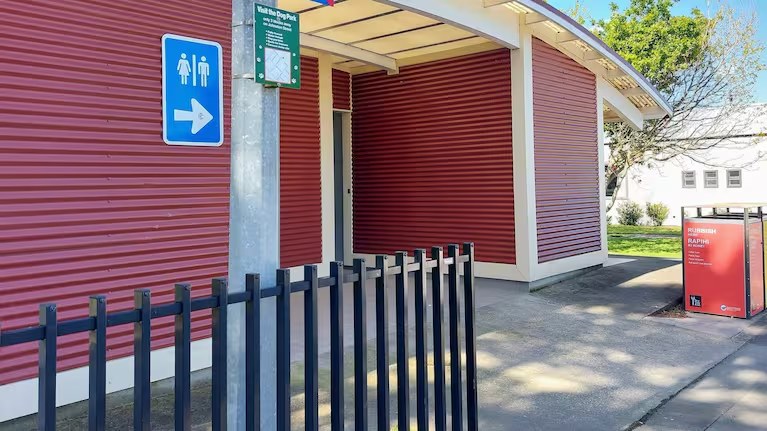
The wider project is not frivolous. The council's annual plan allocates $308,000 to improve the toilet block's condition, safety, accessibility and long-term reliability while keeping the rail-coach style exterior. The old facility has a history of vandalism, including smashed fittings, flooding and blocked toilets.
That history helps explain why the upgrade matters. Public toilets are not glamorous infrastructure, but they shape whether a town feels usable and welcoming. For a place like Featherston, which sits on visitor routes and serves local families, a reliable facility is part of the basic civic promise.
The episode is also a useful reminder of how local pressure works. Residents did not need a national campaign or a complex policy paper. They needed to point out that the proposed gap in service was impractical. The council changed course, and the result is a more workable temporary arrangement.
There is a lesson here for every infrastructure project that temporarily removes a public service. The replacement plan is not an afterthought. It is part of the project. If a council cannot explain how people will manage during the disruption, the community will supply the answer for it.