Labour's airline policy has put flight cancellations, bad-weather disruption and the real price of tickets into the election's consumer-rights debate, with the party promising all-in fare displays and automatic refunds for cancelled or significantly delayed flights.
The proposal would force airlines to show full prices upfront, including fees, charges and taxes, rather than relying on a headline fare that grows during checkout. Consumer NZ chief executive Jon Duffy told RNZ the plan should help prevent drip pricing, where the amount a traveller expects to pay rises as extra charges are added through the booking process.
The more contentious part is disruption. Labour confirmed that under its policy, travellers would be entitled to a refund for a cancellation even if the cause was bad weather. It is not proposing extra compensation for additional costs from weather disruption, but the automatic refund point would still shift expectations for families, business travellers and regional passengers.
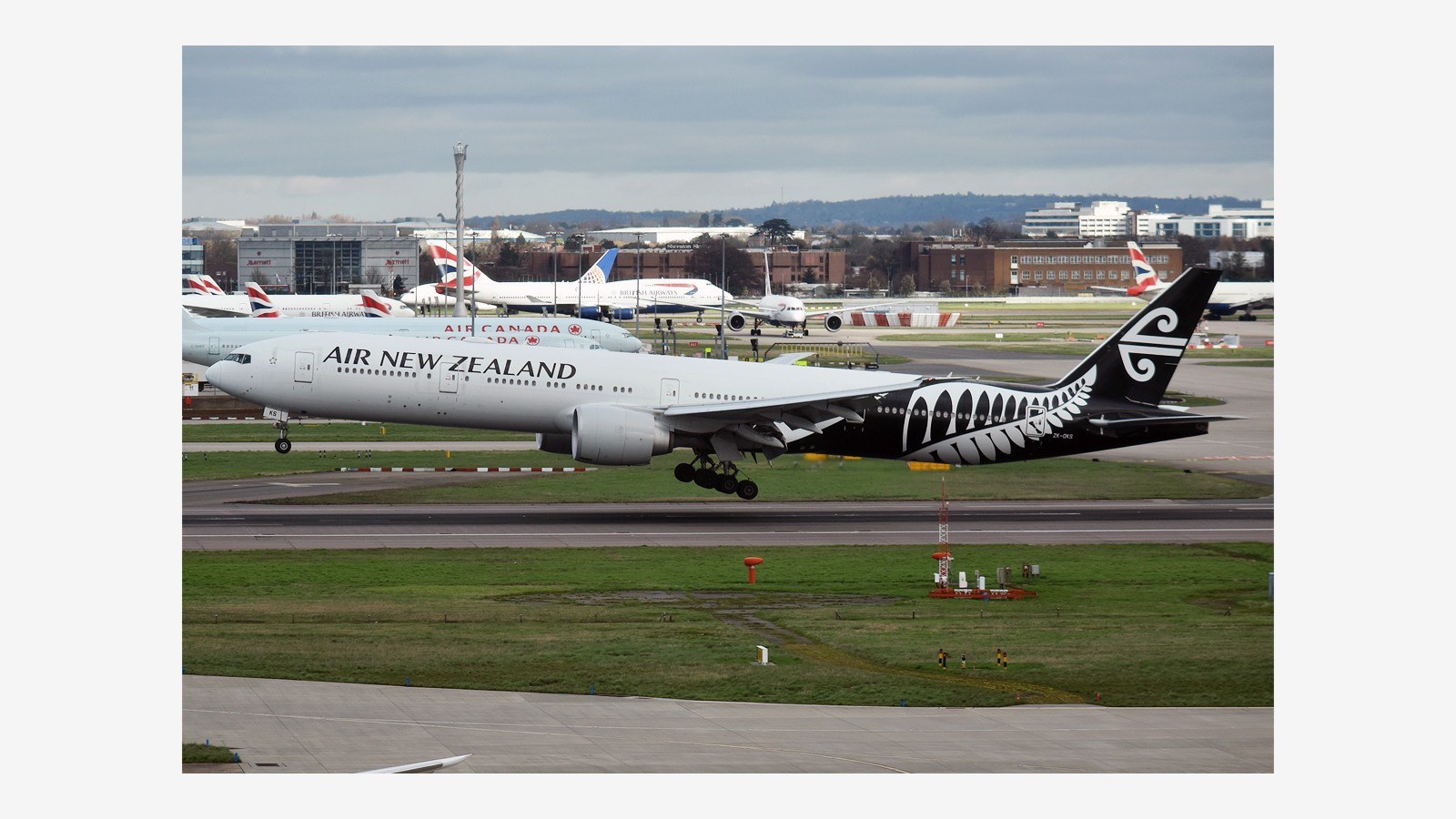
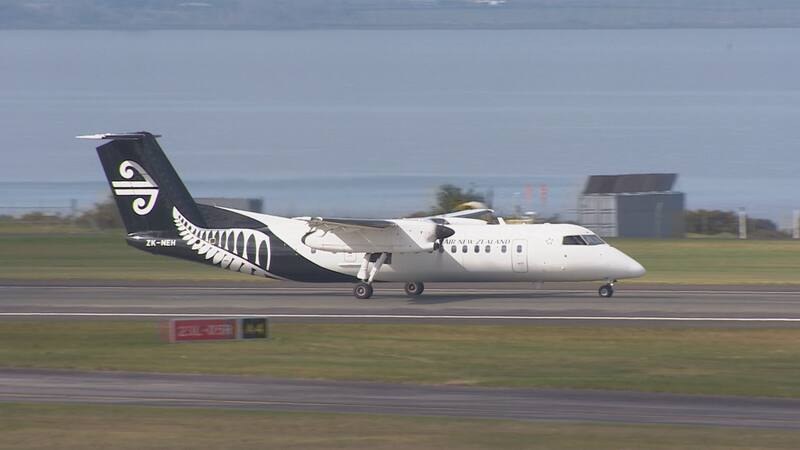
Air New Zealand indicated it already follows some of the proposed requirements. It said the fares shown on its own website include GST and other airport and aviation charges, and that it does not use search history to determine fares. For cancellations within its control, such as engineering or crew sickness, the airline said it automatically rebooks customers with the option of a refund or credit.
The gap sits where most traveller frustration lives: grey areas, weather events, communication delays and the difference between a credit and cash returned to a bank account. A weather cancellation is not the airline's fault, but a passenger who cannot travel may still need money back quickly to rebook, rearrange accommodation or return home another way.
Labour also wants airlines to publish cancellation and delay performance so customers can compare reliability. That could matter as much as the refund rule if the data is presented plainly. A cheap ticket is not necessarily cheap if the route is unreliable, the replacement options are thin and the passenger carries the risk.
There is a competition angle too. Duffy pointed to the way airport infrastructure, such as baggage carousels and gangways, can affect access for rival airlines. If pricing, reliability and airport access are all drawn into the same debate, the policy becomes more than a refund promise. It becomes a test of whether New Zealand's aviation market gives travellers enough practical choice.
The policy is still an election proposal, not a law. Its value will depend on definitions: what counts as significant delay, how quickly refunds must be paid, which carriers are captured, and how weather-related cancellations are treated when multiple flights are disrupted at once. Those details will determine whether the promise becomes a real travel safeguard or another rule passengers have to argue over after the fact.